NAIROBI, Kenya, June 17 – Treasury Cabinet Secretary John Mbadi says the planned upgrade of Jomo Kenyatta International Airport (JKIA) will cost Sh155.34 billion and not Sh375.4 billion as reported by some quotas.
Appearing before the Senate, the CS said that the upgrading will not strain Kenya’s sovereign debt, insisting the financing structure had been carefully assessed to avoid adding pressure on public borrowing.
“I know it has been reported that JKIA is going to cost 2.9 billion US dollars,” Mbadi told lawmakers.
“The figure that I know is 1.2 billion US dollars.”
The clarification comes after reports emerged that Kenya had awarded a $2.9 billion contract to China Communications Construction Company for the expansion and modernization of the country’s main aviation gateway.
The project is reportedly set to be undertaken by China Communications Construction Company, marking a continuation of Nairobi’s pivot towards Chinese infrastructure partnerships after the collapse of a previous arrangement with India’s Adani Group.
The Adani-linked public-private partnership had been terminated following public backlash, legal challenges, and concerns over transparency and long-term control of the strategic aviation asset.
The new deal, officials say, is intended to avoid similar controversies while accelerating upgrades to the country’s main aviation gateway.
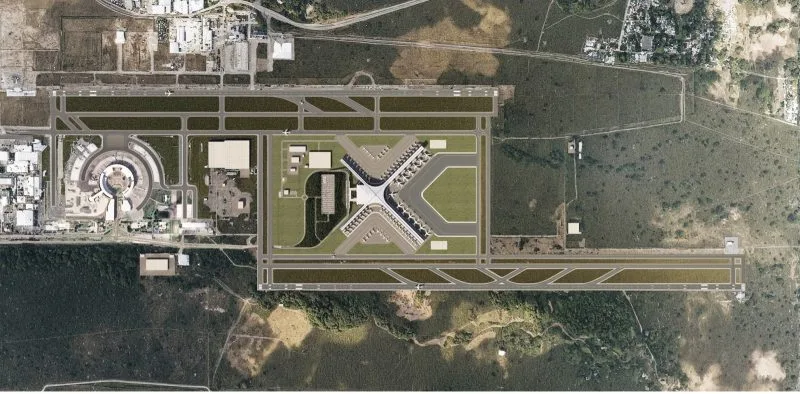
Government contends that the JKIA modernization programme will focus on expanding passenger handling capacity, decongesting existing terminals, and upgrading airside infrastructure to improve efficiency.
JKIA currently handles about 8.8 million passengers annually, slightly above its original design capacity of eight million passengers, highlighting growing pressure on the facility.
Under the planned expansion, the airport is expected to undergo major capacity upgrades, including the construction of a second runway.
Once completed, the runway is projected to significantly ease congestion by increasing aircraft movements from about 14 flights per hour to as many as 63 per hour.
The project, which targets completion by 2029, is aimed at easing persistent congestion, improving operational efficiency, and positioning JKIA to handle rising regional and international traffic demand.