
Kenya’s growing population of stray dogs and cats is increasingly shifting attention away from rescue-only responses toward a broader question of community responsibility, as animal welfare organisations warn that shelters are operating beyond capacity and cannot manage the surge alone.
Across urban and peri-urban areas, animal welfare groups say the rise in stray animals reflects deeper gaps in responsible pet ownership, particularly around abandonment, unplanned breeding, and limited use of spaying and neutering. While shelters and rescue organisations continue to respond to injured and abandoned animals, they say the inflow continues to outpace adoptions and fostering capacity.
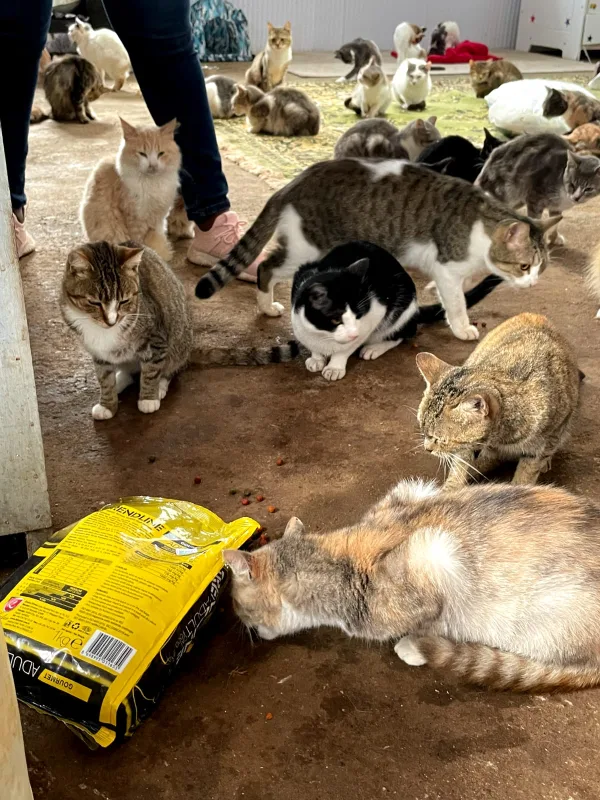
The emerging consensus among welfare actors is that long-term control of stray populations will depend less on rescue interventions and more on prevention anchored at household and community level, including sterilisation, identification, and confinement of pets. “Stray animal management cannot be left to shelters alone. The scale of abandonment and uncontrolled breeding has outpaced rescue capacity across most urban centres. Unless communities adopt preventive measures such as spaying, neutering, and responsible ownership, we will continue treating symptoms rather than the root cause of the problem.”
Shelters operating in Kenya’s major towns report increasing pressure from emergency rescues, many involving injured or sick animals picked up from streets or informal settlements. Rescue organisations say a significant share of these animals require immediate veterinary care, including treatment for trauma, infections, and untreated injuries, adding to already stretched budgets and limited space.
Animal welfare groups note that behind every intake is a chain of costs food, medical treatment, transport, and rehabilitation often covered through donations and volunteer networks. However, inconsistent funding and rising caseloads have made sustainability a growing concern for many facilities. Rescue organisations, including community-based groups working in Nairobi and other urban counties, say they are also investing more effort in education and outreach, encouraging households to understand that pet ownership carries long-term obligations beyond feeding and shelter.
These include healthcare, identification, and reproductive control measures aimed at reducing unplanned litters. Community-based sterilisation campaigns, often run in partnership with veterinarians and welfare organisations, have been identified as one of the more effective interventions in reducing stray populations over time. However, participation levels vary, and organisers say awareness remains a major barrier in many areas.
Policy discussions in the sector are also increasingly focused on expanding access to affordable spaying and neutering services, improving pet identification systems, and strengthening collaboration between local authorities, veterinarians, and welfare organisations. At the centre of the debate is a shift in approach from reactive rescue operations to preventive community-led management.
Welfare actors argue that while compassion drives rescue efforts, sustainability will depend on whether households adopt consistent responsible ownership practices. Long-term, stakeholders say reducing stray populations will require coordinated action across communities, service providers, and policymakers, with emphasis on preventing abandonment and uncontrolled breeding rather than relying solely on shelter capacity. For now, shelters remain a critical safety net for vulnerable animals.
But as intake numbers rise, the sector is increasingly pointing to a simple reality: without stronger community responsibility, the system risks remaining permanently under strain.