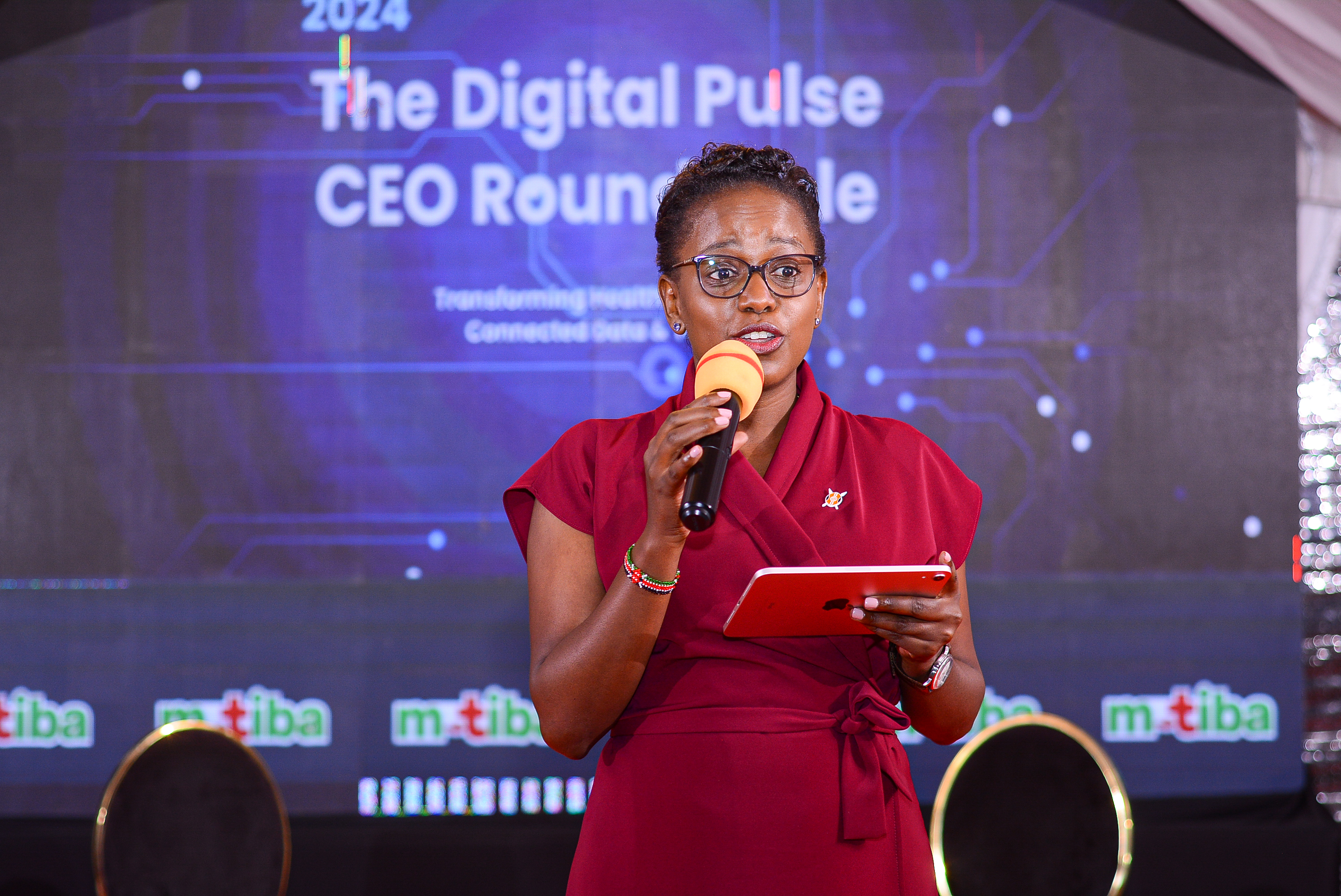
NAIROBI, Kenya, May 26 – Infobip, a global cloud communications platform, has emphasised the need for healthcare providers to adopt automated, omnichannel communication solutions to enhance patient experiences, both in-person and at home, in Kenya.
Rachel Njiru, Director of OP Africa at Infobip, affirmed that these solutions not only enhance patient loyalty and satisfaction but also contribute to reducing operational costs.
They also enable providers to connect with patients through their preferred digital channels, including WhatsApp, Messenger, Live Chat, and Short Messages Service.
“Utilizing a single omnichannel platform to engage with patients across various digital channels not only decreases patient wait times but also minimizes missed appointments, thereby increasing overall patient satisfaction,” said Njiru, Director of OP Africa at Infobip.
She stated that by implementing smart solutions such as chatbots and a cloud contact centre, patients can autonomously resolve queries, leading to increased efficiency and reduced workloads for healthcare staff.
Njiru said the untapped potential for health insurance companies to leverage connected data and technology will help improve service delivery as insurers will be able to utilise real-time health data to proactively identify risks, personalise coverage, and empower individuals to manage their well-being effectively.
“By leveraging connected data and technology, health insurers can revolutionize their operations, improve patient outcomes, and reduce costs,” Ms. Njiru remarked. “From telemedicine and wearable devices to AI-powered diagnostics and blockchain-enabled security, the possibilities are endless,” she added.
She added that, in addition to chatbot-building platforms, the integration of digital contact centres enables insurance companies to personalise customer support, leading to higher satisfaction levels and increased loyalty among policyholders.
“Realizing this vision requires more than just technological prowess; it demands collaboration. By working together, insurers, healthcare providers, tech innovators, regulators, and patients can create a more efficient, personalized, and preventative healthcare ecosystem,” added Njiru.