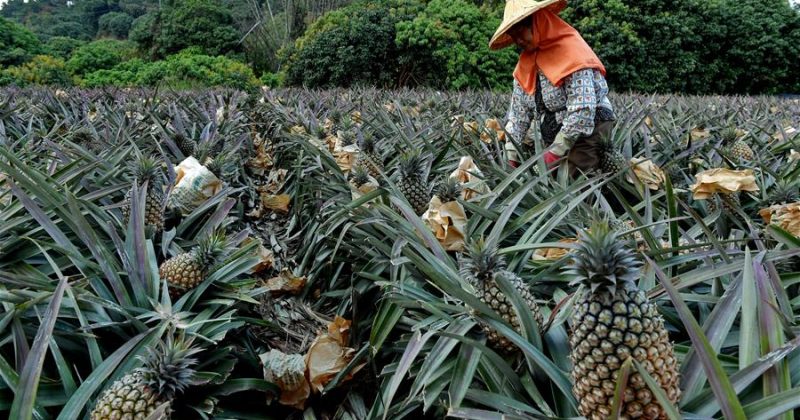
NAIROBI, Kenya, May 6 – Del Monte Kenya plans to add value to pineapple waste with the acquisition of Mananasi Fibre Limited (MFL).
The deal, which was approved yesterday by the Competition Authority of Kenya (CAK), saw the Thika-based firm acquire 100 percent of the issued share capital of MFL.
Whereas Del Monte Kenya cultivates, produces, and cans pineapple products, MFL transforms pineapple plant waste into valuable products.
“The Competition Authority of Kenya has approved the proposed acquisition of 100% of the shares in Mananasi Fibre Limited by Del Monte Kenya Limited unconditionally, based on the finding that the transaction is unlikely to negatively impact competition in the markets for textile grade pineapple fibre, compost production, and biochar production in Kenya,” CAK announced in a statement.
“In addition, the transaction is unlikely to elicit negative public interest concerns.Del Monte Kenya Limited, the acquiring undertaking, is a company incorporated in Kenya.”
In Kenya, pineapple is predominantly grown by large-scale producers such as Del Monte, Kakuzi Limited, and Ndemo Farm, generating huge waste such as leaves, stems, peels, pulp, and discarded fruits that are traditionally burned, contributing to air pollution and greenhouse gas emissions.
However, fibre extraction provides a sustainable alternative by processing waste leaves into textile-grade fibres.
“The demand for pineapple fibre is growing as a sustainable and eco-friendly alternative to traditional textiles, leathers, and materials in the motor industry,” CAK added.
“In Kenya, the market is still emerging with a few key players, including Mananasi Fibre Limited, Pine Kazi, and Eco Nasi.”
“Locally, compost production is often undertaken on a small scale by individual farmers using readily available farm materials like crop residues, animal manure, grass clippings, and wood ash.”