NAIROBI, Kenya, Jun 26 – The Court of Appeal has rescinded in its entirety a ruling delivered on May 29 blocking the implementation of revised National Social Security Fund (NSSF) contribution rates after finding that the decision had been issued in error on an application that was not properly before the court.
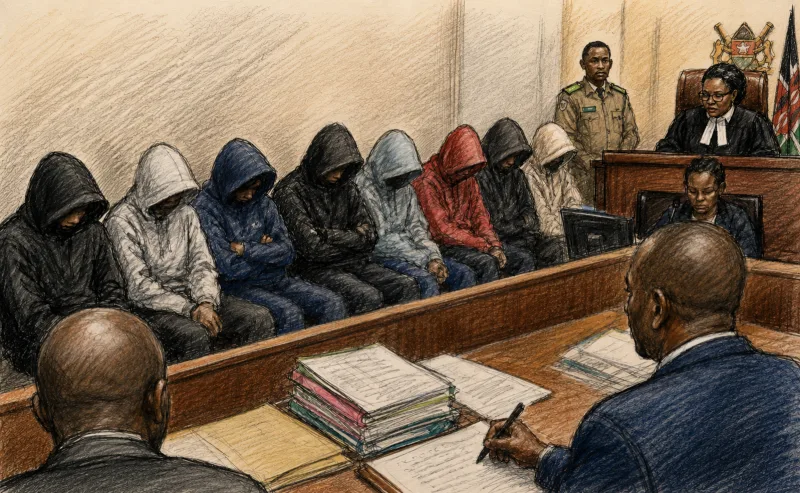
In a ruling delivered on Friday, a three-judge bench comprising Justices Wanjiru Karanja, Kihara Kariuki Minoti and Pauline Nyamweya held that the May 29 decision was founded on an apparent error on the face of the record because it determined an application that was not live before the court and on which parties had not been heard.
“The Court delivered the ruling dated 29th May 2026 on an application which was not live and on which the parties had not been heard,” the judges stated.
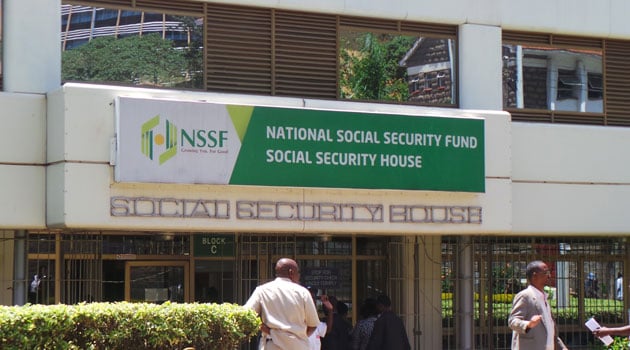
The ruling overturns a decision that had significant implications for NSSF contributions and the implementation of the NSSF Act, 2013.
On May 29, the Court of Appeal declined to grant the NSSF Board of Trustees a stay of execution of a 2022 Employment and Labour Relations Court (ELRC) judgment that declared key provisions of the NSSF Act, 2013 unconstitutional.
In that decision, the appellate court rejected NSSF’s bid to temporarily suspend the effect of the ELRC judgment pending determination of its appeal, finding that the Fund had failed to demonstrate that denial of the stay would occasion irreparable harm to the pensions sector.
While the court acknowledged that NSSF had raised arguable legal questions, including whether the ELRC erred in finding that the Act required Senate participation before enactment, it held that the existence of an arguable appeal alone was insufficient to justify granting a stay.
NSSF subsequet move to continue with the revised rates strirred public debate with stakeholders including Law Society of Kenya (LSK) terming it unlawful.
However, the Court of Appeal has now found that the decision itself was rendered in error.
“It is a constitutional imperative that parties should be given the opportunity to be heard before any decision is made affecting their rights or interests,” the bench said.
The judges noted that public confidence in the administration of justice required the error to be corrected and emphasized that the court could not allow a decision reached without hearing the parties to stand.
“We therefore find that the ruling erroneously delivered by this Court on 29th May 2026 is amenable to setting aside in the interests of justice, and we accordingly set aside the said ruling in its entirety,” the court ruled.
The bench further observed that the application that had previously been argued before the court remains undetermined and should be heard and resolved expeditiously to enable progress in the broader appeal challenging the constitutionality of the NSSF Act, 2013.
The judges also acknowledged counsel representing the NSSF Board of Trustees and the Attorney General for promptly drawing the court’s attention to the error, noting that their intervention helped avert unintended legal and administrative consequences.
Given that the mistake originated from the court itself, the bench directed that each party bear its own costs.
The ruling restores the matter to status quo before the judgment was delivered, pending fresh determination of the outstanding application and the substantive appeal.