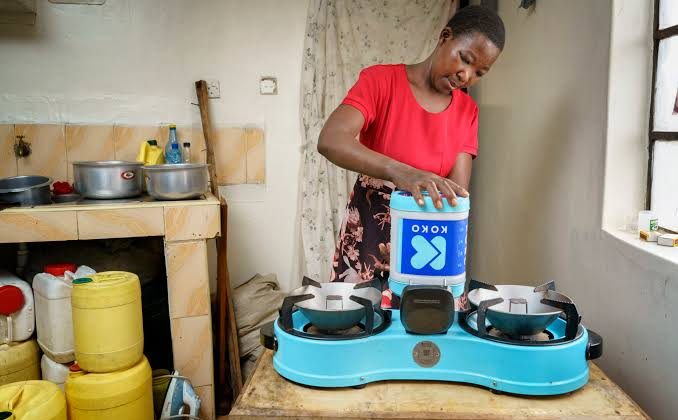
NAIROBI, Kenya, Feb 1 – Clean cooking fuel company Koko Networks has shut down its operations in Kenya, ending services to thousands of households that relied on its ethanol-based cooking fuel.
The company informed customers of the closure through a brief text message sent on Saturday.
“Samahani KOKO customer, we regret to inform you KOKO is closing operations today. We will share next steps soon. Asante for being a part of this journey,” the message read.
The shutdown brings to an end nearly a decade of operations in Kenya, where Koko had positioned itself as a low-cost, clean alternative to charcoal and kerosene, particularly among low- and middle-income households in urban areas.
Industry sources say the decision to wind up operations is largely linked to challenges in monetising carbon credits, a central pillar of Koko’s business model. The company relied on revenue from the sale of carbon credits generated by households switching to cleaner cooking fuel to subsidise prices and support its distribution network.
However, delays in securing government approval to trade carbon credits internationally reportedly strained cash flows, making it difficult for the firm to sustain operations amid rising costs and regulatory uncertainty.
Koko had invested heavily in infrastructure, rolling out hundreds of fuel dispensers across Nairobi and other towns, and issuing customers with smart cookers linked to its digital refill system.
The closure is expected to affect thousands of customers, as well as employees and last-mile agents who operated the dispensing network.
Energy sector analysts warn that Koko’s exit could push some households back to charcoal and kerosene, potentially undermining clean energy adoption efforts and public health gains linked to reduced indoor air pollution.
The company has not issued a detailed public statement beyond the customer notification, saying it will “share next steps soon.” Customers are awaiting clarity on refunds, unused fuel balances and the fate of company-issued cookers.
Koko’s exit highlights the broader challenges facing clean cooking and climate-focused startups in Kenya, particularly those dependent on carbon markets amid evolving regulatory frameworks.