NAIROBI, Kenya, Sep 14 – Kenyans in 19 counties are set to be connected to the Internet after the Communications Authority of Kenya (CA) announced yesterday that it will finance the laying of 2,500 kilometres of fiber optic cables.
The project will gobble up Sh5 billion and target folks living in rural areas where broadband is inaccessible.
Already, 50 percent of the project is complete, with a total of 1,300 kilometres of fiber optic connectivity already laid.
CA Director General David Mugonyi said Phase II of the program, which is being undertaken in partnership with the ICT Authority (ICTA) and Kenya Power, would facilitate last-mile connectivity to 3,800 public offices and institutions across the country.
He noted that numerous studies have established a clear link between broadband access and socio-economic development, and broadband usage is associated with business growth and formation, particularly in knowledge-intensive industries, leading to increased access to new ideas, supply chains, and customers.
Mugonyi added that access to affordable, reliable, and high-speed internet is the cornerstone of modern economies, essential for economic growth, and is also a critical factor to full participation in modern digital life.
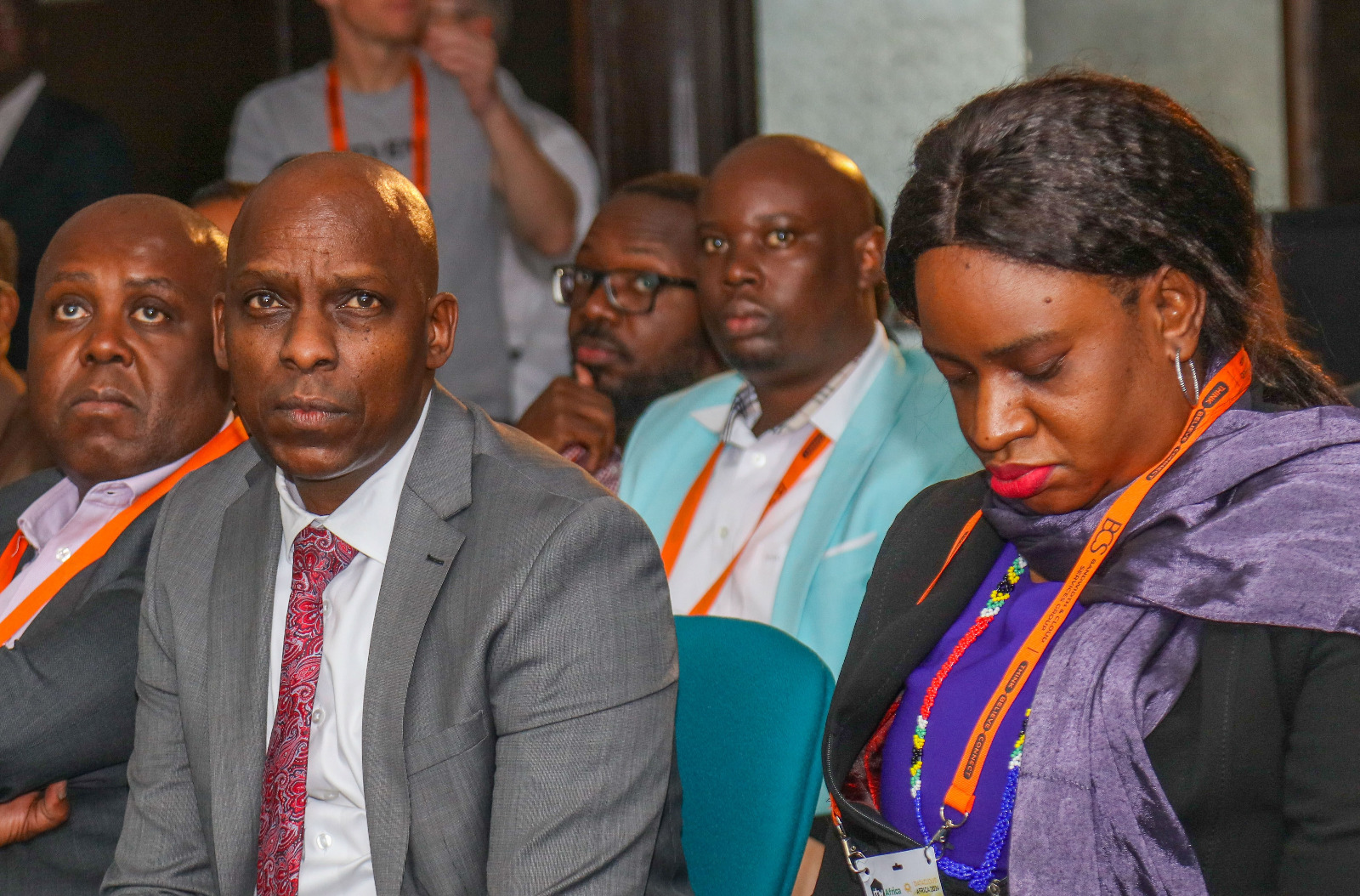
“Today, connectivity is the biggest driver of the global economy. Without robust, secure and competitive telecommunications markets, Africa’s participation and capacity to exploit the opportunities of a rapidly expanding digital economy are significantly constrained,” the DG spoke during the ITW Africa 2024 at a Nairobi hotel.
Mugonyi, however, noted that expanding access creates exposure to cyber threats, and “to set the pace for cyber security, we promulgated the Cybercrime and Computer Misuse (Critical Information Infrastructure and Cybercrime Management) Regulations early this year, hence providing an all-encompassing regulatory framework for securing our critical information infrastructure.”
He also said that Kenya has also established the Cyber Security Operations Centre for the ICT and Telecommunications Sector to enhance cyber security in the country.
These regulations, Mugonyi said, will boost the capacity of both public and private sector institutions supporting critical information infrastructure sectors such as e-government, telecommunications, banking and finance, transportation, energy, and health, which are all anchors of a thriving digital economy.
“The fundamental character of technology is how quickly it changes. As a regulator this makes life interesting and this is why we are undertaking a major reset of our legal frameworks and established a Regulatory Sandbox to ensure emerging technologies and the pace setters that are using them are not hampered or slowed down by regulatory challenges,’’ said the DG.
CA, Mugonyi said, is committed to creating an environment that fosters competition in all sectors, and “we encourage the entry of new players and improvements in quality and scale.”
He said the ITW conference speaks volumes about the opportunities that are inherent in expanding Africa’s digital coverage—opportunities for businesses, governments, communities, innovators, and individuals.
“We gather against a harsh reality; of the 400 million people across the world who lack mobile broadband coverage, almost half live in Africa,” said the DG.
According to the International Telecommunications Union (ITU), 67 percent of the world’s population was online in 2023.
However, Mugonyi said that in low-income countries, most of which are in Africa, 27 percent of the population used the internet in the same period, up from 24 percent in 2022.
In particular, the DG noted, the average internet penetration in Africa was recorded at 37 percent in 2023.
“This 66 per centage point gap reflects the yawning digital divide between high-income and low-income countries and regions,” the CA boss asserted.
The DG said Africa cannot afford that kind of exclusion, adding that “digital technologies are our best shot at a new development narrative and if we go fully digital we can leap forward and unlock a new future.
He said Africa requires urgent and deliberate interventions to bridge this gap, expand access, and help its people capitalise on the opportunities of a digital economy.