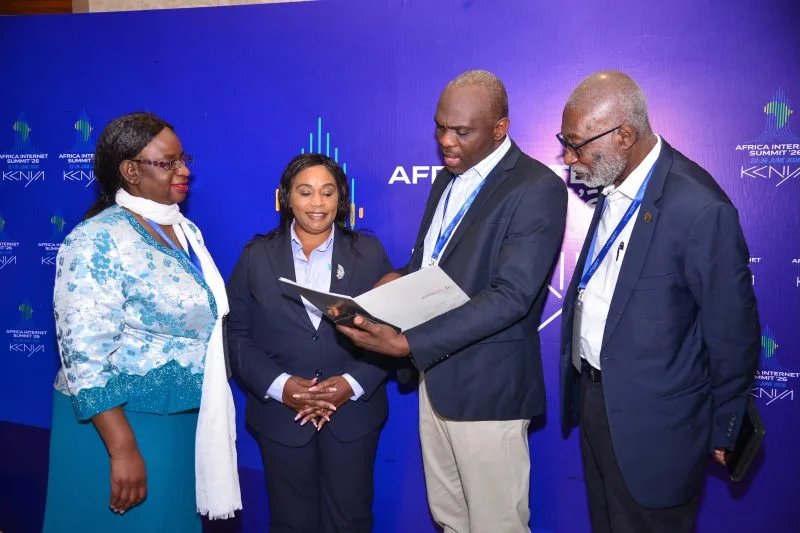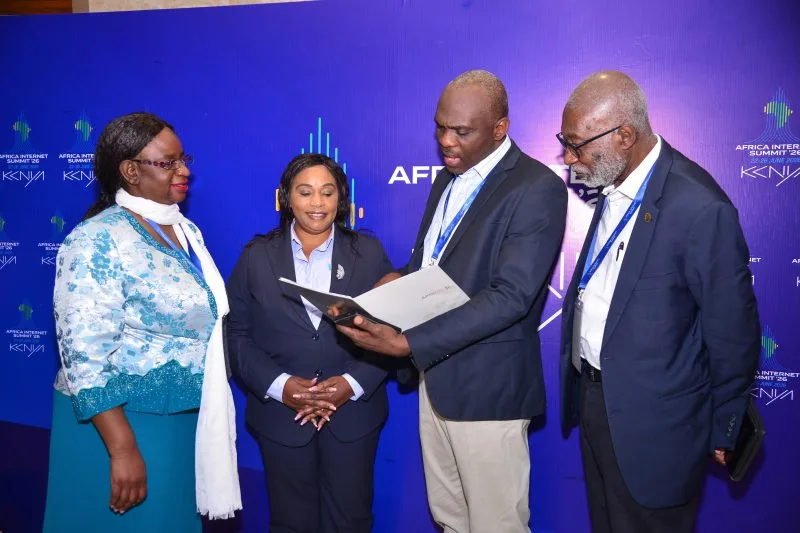
NAIROBI, Kenya, June 23 – The Africa Internet Summit (AIS) 2026 has opened in Nairobi, bringing together policymakers, regulators, technology firms, academics and civil society groups to discuss the future of Africa’s digital economy and internet infrastructure.
The summit, regarded as Africa’s leading internet governance and technical community gathering, comes at a time when countries across the continent are seeking to expand connectivity, strengthen cybersecurity and increase participation in the digital economy.
Kenya is hosting the event after previous editions were held in South Africa, Mauritius and Ghana.
Speaking during the opening ceremony, ICT Secretary Mary Kerema said the internet has become a critical driver of economic growth, innovation, education and public service delivery, underscoring the need for greater investment in digital infrastructure.
She noted that expanding access to reliable internet services remains essential to ensuring more Africans can participate in the digital economy.
The summit also focused on the future of the African internet ecosystem, including efforts to strengthen internet governance and regional cooperation.
Prof. Nii Quaynor, convener of the African Network Operators Group (AfNOG), said the summit has remained an important platform for technical cooperation and policy discussions since its inception in 2012.
Participants also highlighted the recent restoration of the AFRINIC, Africa’s Regional Internet Registry, which manages internet number resources across the continent.
AFRINIC Board Chairman Emmanuel Adewale Adedokun said the organisation is focusing on rebuilding trust, stability and community-led governance following recent governance challenges.
Industry stakeholders used the forum to call for stronger collaboration among governments, regulators, businesses and internet communities to address persistent challenges such as affordability, cybersecurity risks, digital skills shortages and infrastructure gaps.
David Mugonyi said deeper continental cooperation will be necessary to accelerate digital transformation and close connectivity gaps across Africa.
The week-long summit will feature technical workshops, policy discussions, training sessions and AFRINIC’s Public Policy Meeting, with delegates exploring issues ranging from digital sovereignty and internet resilience to innovation, cybersecurity and inclusive connectivity.
The discussions come as African countries increasingly view digital infrastructure as a key pillar for economic growth, trade and competitiveness in the global digital economy.