The mention of the Masai Mara evokes sweeping golden savannahs; acacia trees silhouetted against crimson sunsets and an abundance of wildlife. Located in southwestern Kenya, the reserve forms the northern part of the wider Serengeti–Mara ecosystem, which extends into Tanzania.
For decades, the Masai Mara has attracted travellers, wildlife photographers and nature enthusiasts from around the world. Despite its international reputation, the reserve continues to offer memorable wildlife encounters. Whether visiting for the first time to see the Big Five or returning to experience the seasonal changes of the African bush, the Masai Mara remains one of the continent’s leading safari destinations.
Here’s a closer look at what makes the ecosystem special, how to plan a visit and why the reserve remains an important part of Kenya’s tourism industry.
The magic of the Great Migration
It is difficult to discuss the Masai Mara without mentioning the Great Wildebeest Migration. Often described as one of the world’s great natural spectacles, the annual migration involves an estimated 1.5 million wildebeest, alongside large numbers of zebras and Thomson’s gazelles, moving through the Serengeti–Mara ecosystem in search of fresh grazing.
Between July and October, migrating herds typically move into the Kenyan side of the ecosystem, with some crossing the Mara River. The spectacle attracts visitors from around the world, drawn by the scale of the herds and the challenges they face as they navigate the river and evade crocodiles.
The migration also brings predators into close proximity with the herds. Lions, leopards, cheetahs and hyenas inhabit the ecosystem, offering visitors opportunities to witness the interactions that shape life in the wild.
The timing and location of the migration vary from year to year, but the event remains one of the Masai Mara’s defining attractions.
Year-round appeal beyond the migration
One common misconception about the Masai Mara is that wildlife viewing diminishes once the migrating herds return to Tanzania. In reality, the ecosystem supports resident wildlife throughout the year.
The period between December and March offers a different experience, with seasonal rains transforming parts of the landscape and providing fresh grazing. Changes in rainfall and vegetation also influence wildlife movements and animal behaviour.
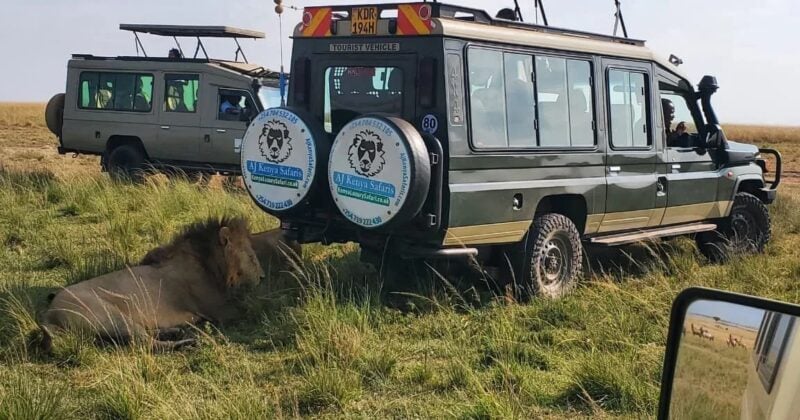
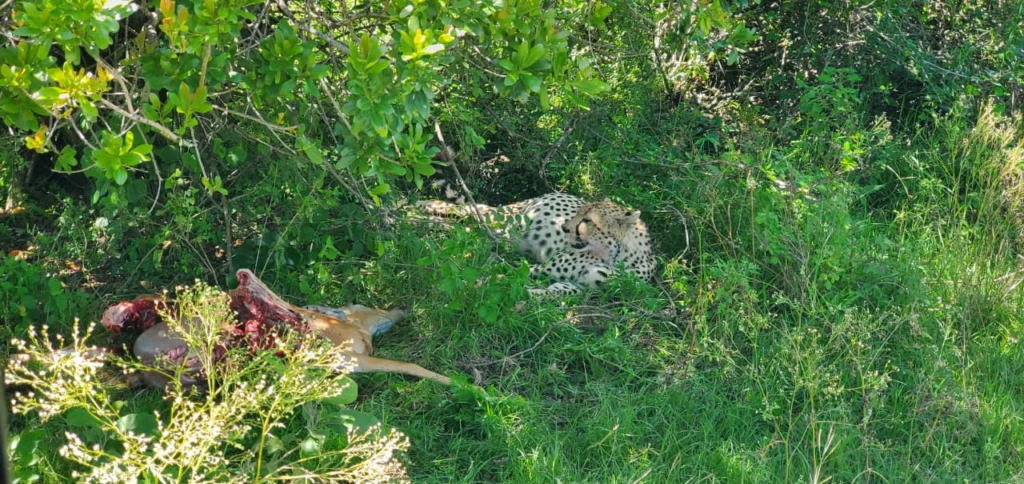
The Masai Mara is particularly well known for its big cats. Visitors may encounter lions resting in the grass, leopards in wooded areas or cheetahs moving across the open plains, although sightings depend on conditions and are never guaranteed.
Birdwatchers are also well served by the region’s diversity of birdlife. More than 470 bird species have been recorded in the wider area, including the African fish eagle, lilac-breasted roller, several vulture species and the marabou stork.
Choosing your safari experience: from rustic to bespoke
One of the attractions of visiting the Masai Mara is the range of accommodation available. The reserve and its surrounding conservancies cater to different budgets and preferences, from basic campsites to luxury lodges and tented camps.
For travellers seeking modern comforts alongside a wilderness experience, luxury camps offer amenities such as plunge pools, fine linens, outdoor dining and personal butler services. Many are designed to blend into the surrounding landscape while offering guests opportunities to experience the bush in comfort.
Those looking for premium wilderness accommodation can explore luxury Masai Mara safari packages and Masai Mara safari experiences from AJ Kenya Safaris.
The region’s accommodation options also reflect a growing emphasis on eco-tourism, with some camps highlighting their efforts to reduce their environmental footprint while supporting conservation and local communities.
Whether choosing a simple campsite or a luxury retreat, visitors can find accommodation suited to their preferred way of experiencing the Masai Mara.
Navigating the terrain with experienced guides
An experienced safari guide can make a significant difference to a visitor’s experience. The Masai Mara National Reserve covers approximately 1,510 square kilometres, and its network of tracks and varied terrain offers numerous opportunities for wildlife viewing.
Local guides draw on their knowledge of animal behaviour, tracks and sounds to help visitors identify wildlife and understand what is happening in the ecosystem. Recognising animal alarm calls, for example, can sometimes help guides locate wildlife that might otherwise be difficult to spot.
Experienced operators can also help organise excursions and plan routes based on prevailing conditions and wildlife movements.
Following reserve and conservancy rules is essential to responsible wildlife viewing. These rules help protect animals and their habitats while supporting a sustainable tourism experience.
The Maasai people and their culture
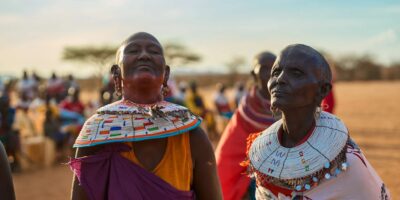
A visit to the Masai Mara can also offer opportunities to learn about the people whose history and livelihoods are closely connected to the region. The area takes its name from the Maasai, a community with longstanding pastoral traditions and cultural ties to the landscape.
Visitors may encounter Maasai cultural experiences organised through lodges and safari operators. These can introduce travellers to aspects of traditional life, crafts, beadwork and the community’s relationship with the surrounding environment.
Community conservancies have also become an important part of the wider Mara conservation landscape. Through different arrangements involving landowners, tourism operators and conservation partners, these initiatives can support wildlife protection while creating opportunities for local participation in tourism.
The relationship between tourism and community livelihoods varies across the region, but community involvement remains an important part of discussions about the future of conservation in the Masai Mara.
Essential logistics and preparation
Planning ahead can help visitors make the most of a Masai Mara safari. Travellers can drive from Nairobi, with journey times depending on the route, road conditions and destination. Scheduled flights also operate from Wilson Airport to airstrips serving different parts of the region, with flight times and availability varying by destination.
Visitors should check current park entry fees before travelling, as charges may vary according to the applicable tariff, residency status and other conditions. It is also advisable to confirm transport and accommodation arrangements in advance, particularly during busy travel periods.
Packing essentials include lightweight clothing, comfortable footwear, binoculars, a wide-brimmed hat and sunscreen. Visitors should also consider seasonal weather conditions when preparing for their trip.
A lasting impression
The Masai Mara offers visitors an opportunity to experience the diversity of Africa’s wildlife and landscapes. From the movement of migrating herds across the plains to encounters with big cats and the region’s rich birdlife, the ecosystem provides a memorable safari experience.
Beyond wildlife viewing, the region’s accommodation options, guided excursions and connections with surrounding communities add to its appeal.
Whether watching a hot-air balloon drift over the plains at dawn, tracking wildlife with an experienced guide or taking in the African night sky, visitors can discover different aspects of the Masai Mara’s natural beauty.
For many travellers, the experience leaves a lasting impression long after the journey home.