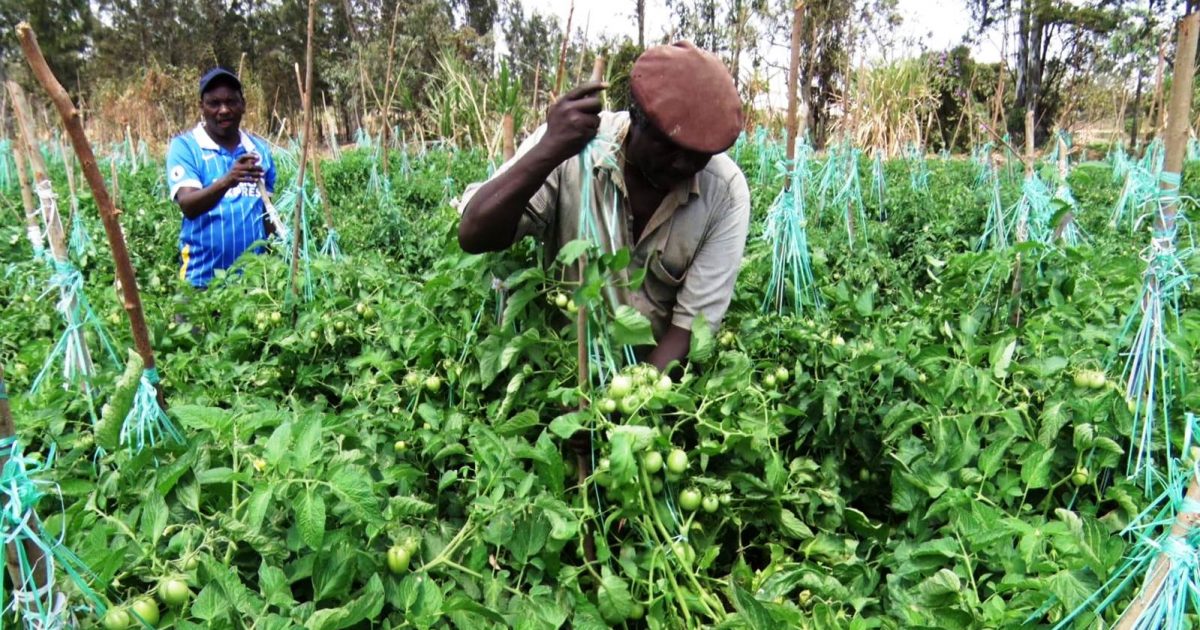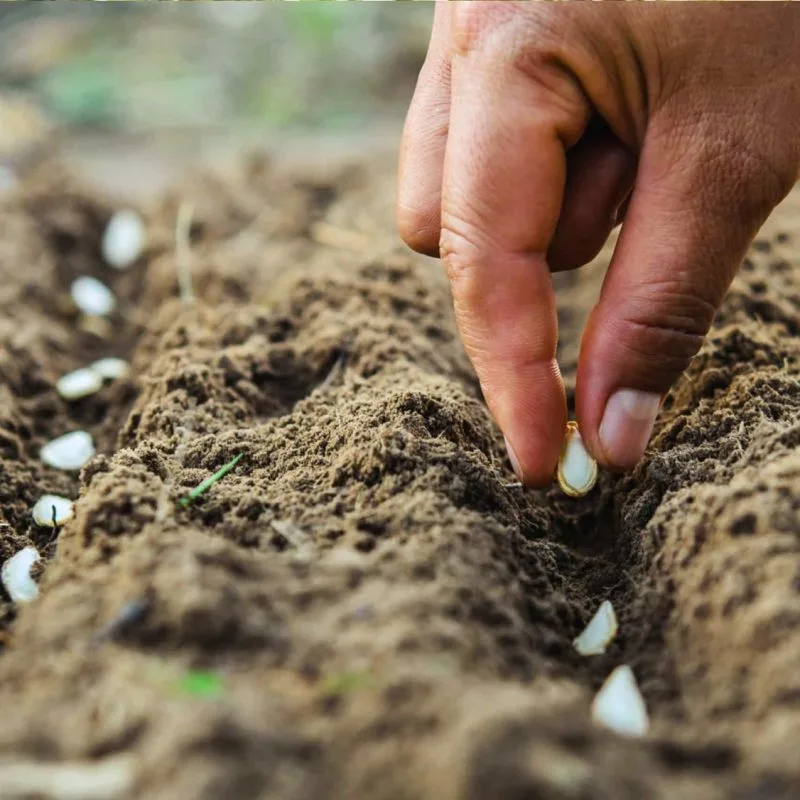
NAIROBI, Kenya, June 23 – As Kenya grapples with declining soil fertility, rising fertilizer costs and mounting pressure to improve food security, a growing debate is emerging within the agricultural sector: can biological soil solutions offer farmers a viable alternative to decades of chemical-intensive farming?
The Cost of Depleted Soils
The question comes at a moment for a country where agriculture contributes significantly to the economy and supports millions of livelihoods, particularly among smallholder farmers who account for the bulk of food production.
For years, the dominant response to falling yields has been increased application of synthetic fertilizers.
Yet many agronomists and soil scientists argue that the strategy is producing diminishing returns as soil health continues to deteriorate.
According to Tim Gammon, Director of SumaGrow Kenya, the challenge facing many farmers is no longer simply nutrient deficiency but a broader collapse of soil biology.
“Putting more NPK on soil isn’t the solution. In fact, I would argue that’s what’s got us to this situation where farmers are having to put more chemical inputs in just to get the same effects they’ve had over the past years,” Gammon said.
His company markets a microbial biofertilizer designed to replenish beneficial microorganisms in the soil, an approach that falls under the wider umbrella of regenerative agriculture.
Why Farmers Are Paying Attention
The concept has gained traction globally as governments and agricultural organizations seek ways to improve productivity while reducing environmental degradation.
In Kenya, concerns over soil acidity, erosion and nutrient depletion have intensified amid years of intensive cultivation.
Gammon says his interest in the Kenyan market was sparked by what he observed during visits across the country.
“Every single farmer I spoke to said they would be interested in a product that could improve soil health and increase yields,” he said.
“That told me farmers understand there’s a problem. They’re on the front lines. They know something is wrong, but many don’t know what the solution is.”
Smallholders, Not Agribusiness, Are the Main Target
While regenerative agriculture is often associated with large-scale sustainability programs, Gammon argues that smallholder farmers may be better positioned to adopt such practices than commercial-scale operations.
He notes that many large farms tend to rely on established input schedules and conventional production models, while smaller farmers are often more willing to experiment with new methods that promise lower costs and improved yields.
“The smallholder farmer is really our sweet spot,” he said.
“I’ve spoken to hundreds of farmers across Kenya and they’re generally more receptive to regenerative agriculture.”
How the Microbial Approach Works
The science behind biological fertilizers centers on beneficial microbes that help unlock nutrients already present in the soil, improve root development and increase water retention.
Supporters argue that healthier microbial activity can help crops access nutrients more efficiently while improving resilience during drought periods.
Critics, however, caution that biological products should not be viewed as a silver bullet.
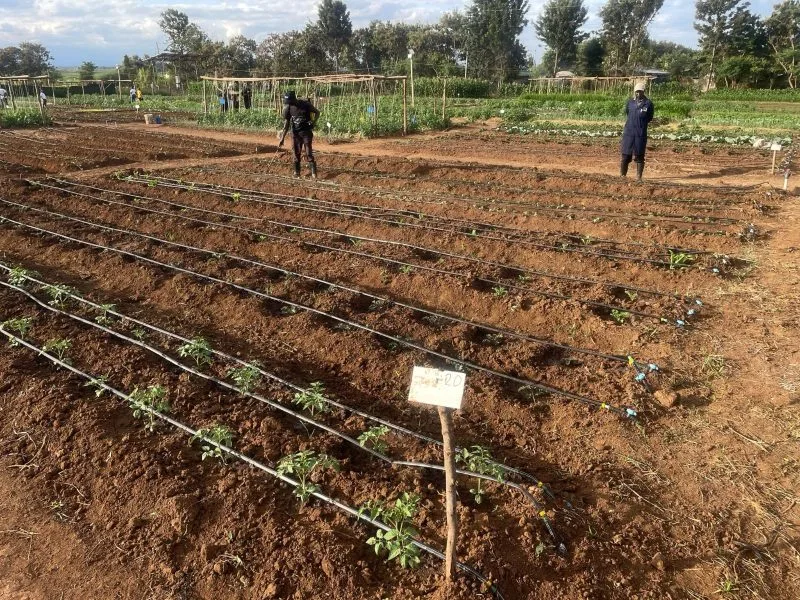
Agricultural researchers have long emphasized that soil management requires a combination of practices, including proper nutrient management, organic matter replenishment, crop rotation and conservation farming techniques.
Gammon acknowledges that biological solutions are not necessarily about eliminating synthetic fertilizers altogether.
“You can literally switch from a system that’s almost entirely chemical-based to one that’s predominantly biological,” he said.
“Maybe 90 percent biological and 10 percent conventional inputs. The goal is healthier soils and lower dependence on expensive chemicals.”
Can It Lower Production Costs?
Cost remains one of the most pressing concerns for farmers.
Although Kenya’s fertilizer subsidy programmes have helped lower prices in recent years, many smallholders continue to struggle with high production expenses, particularly as they contend with climate-related shocks and volatile market conditions.
Gammon estimates that many farmers spend roughly Sh20,000 per acre on fertilizer, pesticides and related inputs during a planting season.
“We believe biological interventions can significantly reduce those costs while improving soil health at the same time.”
The Real Barrier: Knowledge
Yet despite growing interest in regenerative agriculture, adoption remains relatively limited.
Industry experts point to knowledge gaps, inadequate extension services and limited awareness among both farmers and policymakers as major barriers.
“The biggest obstacle is education,” Gammon said.
“Many farmers have heard the term regenerative agriculture, but they don’t know what it means or how to implement it. They need practical demonstrations and proof that it works.”
The broader challenge for Kenya may therefore extend beyond introducing new products.
As climate change, soil degradation and food security concerns converge, experts say the country’s long-term agricultural future will depend on whether farmers, researchers, private sector innovators and policymakers can work together to rebuild soil health while maintaining productivity.
The outcome could determine not only farm profitability but also the resilience of Kenya’s food systems in the decades ahead.
For now, the debate continues, but one reality is becoming increasingly difficult to ignore: restoring the health of Kenya’s soils may prove just as important as increasing the amount of fertilizer applied to them.