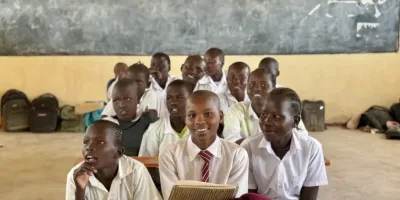
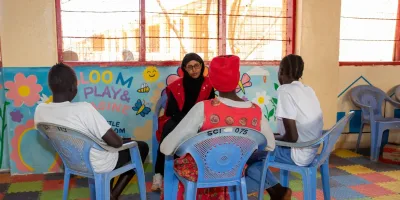
NAIROBI, Kenya, Nov 11 – Kenya has been ranked among Africa’s leading countries in foundational learning, with a new continental report recognising its efforts to strengthen early-grade reading and mathematics.
The 2026 Foundational Learning Action Tracker (FLAT), developed by UNICEF and the Hempel Foundation, rated Kenya as “Established”, the third level on a four-point scale assessing government efforts to improve children’s basic learning skills.
The assessment, covering 52 African countries, recognised Kenya’s efforts to regularly assess reading and mathematics among learners in early grades to identify learning gaps and guide interventions.
However, the report cautions that African countries still face challenges in translating education policies into improved classroom learning.
It found that about seven in 10 African countries use assessment data to shape national education policies, but only 43 per cent use the findings to guide teaching in schools.
The report also found that only 27 per cent of countries provide nationwide school-based mental health and psychosocial support for learners.
Speaking during the report’s presentation in Nairobi on October 19, Basic Education Principal Secretary John Ololtuaa said Kenya must strengthen the implementation of education policies to improve learning outcomes.
“Progress must be accompanied by continuous improvement, effective implementation and a commitment to reaching every learner,” Ololtuaa said.
He added that the next phase of Kenya’s education reforms should focus on identifying effective interventions, evaluating their impact and ensuring all children benefit regardless of their circumstances or schools.
UNICEF Global Lead on Education Financing, Data and Learning Assessment Matt Brossard called for increased funding to schools in disadvantaged areas and better use of technology and education data.
“We need to direct more funding to schools in hardship areas, and we are not doing enough of that. We cannot rely on UNICEF alone. We must leverage AI and digital technology. Data should not sleep. Data should speak, so that every child, especially the most disadvantaged, can access the learning they deserve,” Brossard said.
The report noted that African countries continue to record higher levels of learning poverty and lower foundational learning ratings compared with other low- and middle-income countries.
Ololtuaa challenged African countries to commit to at least one practical action to improve foundational learning within the next 12 months.
The report calls for stronger implementation of education policies, better use of assessment findings in classroom teaching and improved support for teachers to address learners’ needs.