NAIROBI, Kenya, June 18 – TotalEnergies Marketing Kenya plans to invest more than Sh1 billion annually to expand access to liquefied petroleum gas (LPG) as Kenya seeks to accelerate the transition to clean cooking solutions.
The investment will support the rollout of LPG infrastructure, cylinder distribution and innovative payment models aimed at making cooking gas more affordable for households.
The move aligns with the government’s target of increasing LPG penetration from 24 percent to 70 percent by 2028 as part of efforts to reduce reliance on firewood and charcoal.
According to the company, it plans to distribute between 180,000 and 200,000 LPG cylinders every year while expanding access through new distribution channels and financing options.
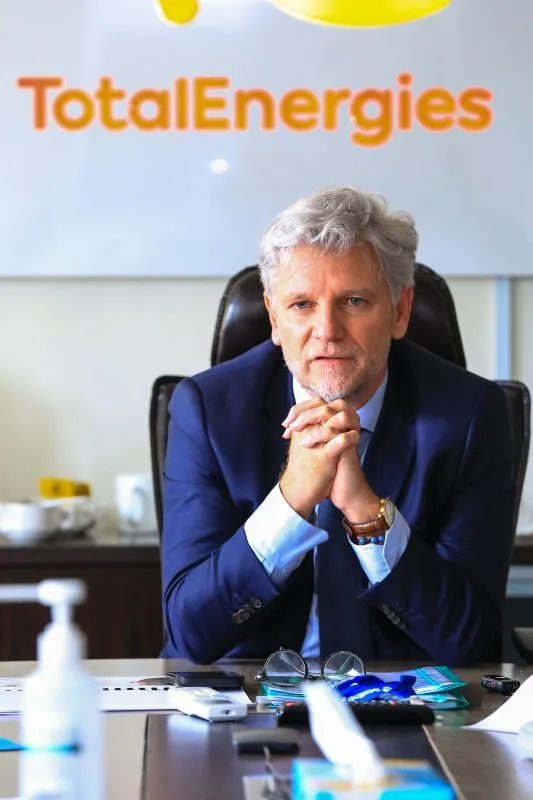
Thibault Flichy said Kenya remains a strategic market for the firm’s clean cooking ambitions.
“Kenya is a key market for our clean cooking strategy. There is strong alignment with government ambitions,” he said.
TotalEnergies currently serves about four million people in Kenya and aims to add one million new users annually.
To address affordability challenges, the company has partnered with M-Gas to provide pay-as-you-cook LPG solutions through smart meters, allowing households to purchase gas in small amounts.
Under the model, users can make payments from as little as Sh9, reducing the upfront costs associated with LPG adoption.
The company says it has deployed more than 42,000 smart cylinders, reaching about 200,000 people across the country.
TotalEnergies is also expanding its “Maskani” retail outlets, which bring LPG services closer to residential areas. The network currently operates 42 sites nationwide, with plans to open an additional 40 locations in 2026.
Despite increased investment and government support, LPG adoption continues to face challenges, particularly among low-income households that still depend on charcoal and firewood due to affordability constraints.
The government views clean cooking as a critical component of its climate and public health agenda, with wider LPG adoption expected to reduce indoor air pollution, slow deforestation and improve household welfare.