NAIROBI, Kenya, Nov 7 – Olympic marathon champion Jemima Sumgong has been handed a four-year ban by the Anti-Doping Agency of Kenya (ADAK) after testing positive for blood booster EPO in April.
Sumgong, 32, who became the first Kenyan woman to win an Olympic marathon gold medal, failed drugs test in an out-of-competition test done by the International Association of Athletics Federations (IAAF) in Kenya.
With the ban, Sumgong is likely to lose her 2017 World Marathon Majors title, as stated by organisers.
Under Article 13.2 of the World Anti-Doping Code, she has 21 days in which to appeal the decision, which means that any appeal must be filed with the Court of Arbitration for Sport (CAS) by November 20.
Athletics Kenya through its President Rtd Lt Gen Jack Tuwei told Capital Sport on Tuesday they have received the letter from ADAK who are mandated to sanction an athlete for doping.
“Yes we have received a letter from ADAK who have the authority to ban any athlete who is found guilty of doping since it became an Act of Parliament. We as AK we will just comply,” Tuwei stated.
In the hearing, which took place October 18, Sumgong alleged that she had received treatment including a blood transfusion and ‘unidentified medication’ at the Kenyatta National Hospital (KNH) February 22, 2017.
Sumgong argued that she had not disclosed this information to anyone, including her husband and former coach, Noah Talam, due to local taboos associated with the condition.
“This response is contained in a detailed letter from the Hospital dated 9 June 2017, in which the Hospital sets out in some detail the procedure for record keeping and retrieval and asserts quite emphatically that the medical sheets provided by the athlete were not authentic,” the statement the decision.
Sumgong argued that the doctor who treated her could have been an imposter, due to a doctor’s strike that was taking place at the time.
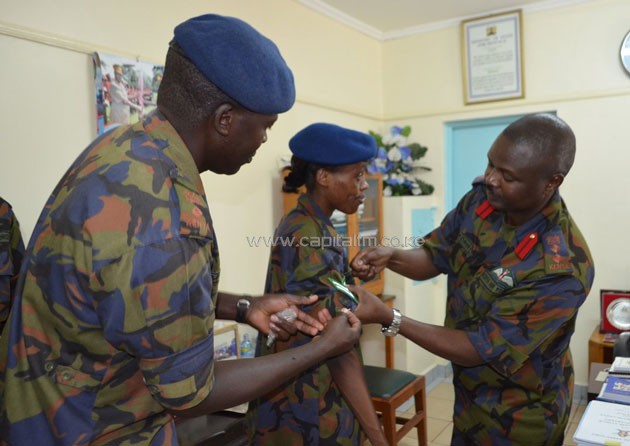
However, this explanation was rejected by ADAK who argue that the athlete should have seek medical attention with the Kenya Defence Forces where she had access to the Armed Forces Memorial Hospital which was a short distance from KNH.
“It was ADAK’s position that the substance was being used for the preparation of the London Marathon.”
The panel also noted that she did not declare her treatment on the Doping Control Form (DCF), despite the alleged treatment having been administered less than seven days prior to sample collection.
“Indeed, we might go as far as to state that the athlete’s attempt to explain how the substance entered her body bordered on an attempt to deceive the panel in view of the Hospital’s denial that the athlete attended the Hospital for any treatment whatsoever’, it concluded.”