By Adrian Okere
Africa’s development ambitions are increasingly shaped by three interconnected challenges: access to reliable and affordable energy, the growing effects of climate change, and the need to protect natural ecosystems.
As countries pursue industrialisation, urbanisation and economic growth, the question is no longer simply how to develop, but how to do so sustainably.
These challenges will take centre stage at the 3rd International Energy and Sustainability Summit (IESS) 2027), scheduled for February 24–26, 2027, at the Sarit Expo Centre in Nairobi.
Held under the theme “Powering Innovation, Protecting Our Planet – From Clean Energy to the Blue Economy,” the summit seeks to bring together policymakers, researchers, industry leaders, investors, innovators and young people to explore practical approaches to sustainable development.
The upcoming edition builds on the momentum of the second summit, which attracted more than 4,000 delegates, including policymakers, energy executives, researchers, innovators and students.
It also featured technical discussions and a youth-led Climate Hackathon.
However, the 2027 edition takes a broader approach by introducing a dedicated focus on ocean and coastal sustainability, recognising that Africa’s green transition cannot be separated from the protection of its marine
resources.
Bridging the energy gap through innovation
Energy remains a fundamental requirement for economic transformation.
Across Africa, access to reliable electricity is essential for industrial growth, education, healthcare, technological advancement and improved living standards.
Yet achieving universal energy access while reducing environmental damage remains a significant challenge.
IESS 2027 will provide a platform for discussions on renewable energy technologies, including solar, wind, geothermal, hydropower and biomass.
Other areas of focus will include nuclear energy, green hydrogen, energy storage and decentralised electricity systems.
The summit will also examine how artificial intelligence, smart grids and digital technologies can improve energy efficiency and strengthen critical infrastructure.
Importantly, discussions will extend beyond technology to address financing, investment frameworks, energy regulation and collaboration between academic institutions and industry.
Such conversations are essential because technological innovation alone cannot transform the energy sector without supportive policies, investment and skilled human resources.
Beyond energy, climate change continues to threaten livelihoods, agricultural productivity and food security across the continent.
For millions of African households, agriculture remains a major source of income and employment.
However, changing rainfall patterns, prolonged droughts, extreme weather events and environmental degradation are
placing increasing pressure on agricultural systems.
The summit’s climate and agriculture segment will explore solutions such as precision farming, smart irrigation, agroforestry, sustainable land management and climate-resilient seed systems.
It will also address the role of climate financing, early-warning systems and community-led adaptation strategies.
These discussions are particularly important for African countries seeking to strengthen food production while protecting the natural resources on which agricultural activities depend.
Why the blue economy matters
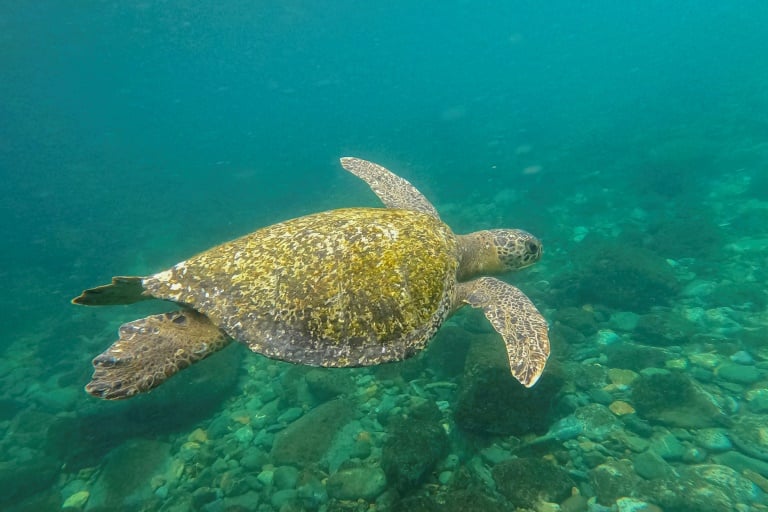
Perhaps one of the most significant additions to IESS 2027 is its dedicated segment on the blue economy and ocean conservation.
Africa’s oceans and coastal ecosystems support livelihoods, biodiversity, tourism, fisheries and international trade.
Nevertheless, marine ecosystems face growing environmental pressures that threaten their long-term sustainability.
Coral reefs, mangroves, seagrass beds and coastal wetlands play important roles in supporting marine biodiversity and protecting vulnerable coastal communities.
The summit will therefore bring together marine scientists, conservationists, coastal communities and investors to discuss coral reef restoration, deep-sea conservation, sustainable coastal infrastructure and marine
biodiversity protection.
It will also examine blue finance and opportunities for developing an economy that creates value from ocean resources without undermining the ecosystems that sustain them.
By connecting ocean conservation with investment and economic development, the summit aims to encourage a more integrated approach to Africa’s sustainability agenda.
Africa’s young population represents an important resource in the transition towards a sustainable economy.
Young innovators, researchers and entrepreneurs have the potential to develop solutions in renewable energy, agricultural technology, environmental conservation and digital infrastructure.
IESS 2027 places particular emphasis on youth leadership, mentorship, green entrepreneurship and the development of skills needed in emerging industries.
The programme will also address women’s participation in energy and agricultural innovation, recognising the importance of inclusive opportunities in achieving sustainable development.
Through mentorship, networking and discussions on access to finance, the summit seeks to strengthen the participation of emerging innovators in the green economy.
Turning ideas into practical solutions
The summit will feature research presentations, technical sessions, exhibitions, networking opportunities and discussions involving stakeholders from different sectors.
Its objectives include promoting evidence-based dialogue, advancing research and innovation, encouraging cross-sector partnerships and mobilising green and blue finance.
For Kenya, hosting such a multidisciplinary gathering presents an opportunity to strengthen its position as a regional platform for conversations on energy innovation and sustainable development.
However, the real measure of success will not simply be the number of participants or discussions held.
It will be the extent to which the ideas generated contribute to practical solutions, stronger partnerships, investment opportunities and meaningful policy progress.
Ultimately, Africa’s sustainable future will depend on its ability to balance economic development with environmental responsibility.
Clean energy, climate-resilient agriculture and healthy marine ecosystems should not be viewed as separate ambitions.
They are interconnected foundations of a resilient and prosperous continent.
As preparations for IESS 2027 gather momentum, the summit offers an important opportunity to rethink how Africa can power its development while protecting the planet for future generations.