NAIROBI,Kenya June 22 – In Nanyuki, the families who say they have carried the cost of the British Army Training Unit Kenya (BATUK) for years have stopped waiting quietly.
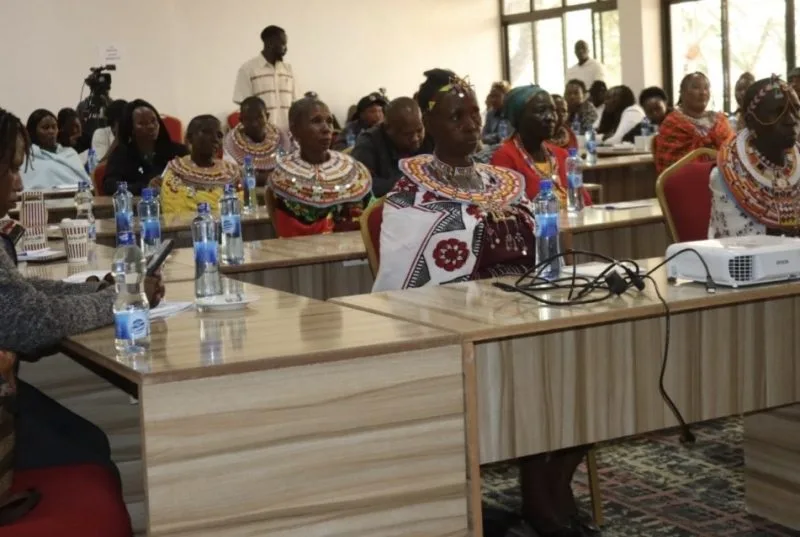
At a gathering held at the Sportsman’s Arms Hotel in Nanyuki on 20 June, affected residents, survivors and human rights defenders came together to set out what they demand before Kenya signs a new military agreement with the United Kingdom and, this time, to take several concrete steps of their own rather than simply appeal to others.
One of the clearest was a promise to remember. The community announced plans for a monument honouring everyone who has suffered under British soldiers over the decades a permanent marker, they said, so that the names and the stories are not quietly erased as the years pass and officials move on.
For families who feel their pain has been treated as an inconvenience, the idea of a fixed, public memorial carried real weight: a refusal to let the record be tidied away.
They also agreed to put their demands in writing.
A formal petition is to be addressed to Parliament, to the relevant state agencies, to BATUK itself and to the British Ministry of Defence.
Its message leaves little room for negotiation: BATUK and the Defence Cooperation Agreement (DCA) must be reformed without delay, or removed from Kenyan territory altogether.
By directing the petition at both governments and the military itself, the organisers made clear they no longer see this as a matter to be settled quietly behind closed doors.
For those who have struggled to navigate the system on their own, the meeting produced something practical as well the launch of an online platform through which victims of BATUK-linked harm can seek legal support, document their cases and connect with people able to help them push for answers.
Many of those affected live far from the offices and lawyers who might assist them, and the platform is intended to close that gap.
The urgency behind all of this is the calendar. The five-year BATUK agreement lapsed in 2025 and is now under renewal talks between Nairobi and London, with the new deal expected to go before Parliament for review and adoption.
For the people in that room, the timing is everything. They argue that signing a fresh agreement without first addressing old grievances would betray those who have waited longest, and would chip away at what little public trust remains in how these arrangements are made.
Much of that grief has a face. Esther Njoki, the niece of Agnes Wanjiru the young mother killed some fourteen years ago, allegedly by a British soldier spoke of a family still waiting for accountability more than a decade on. Each year that passes, she says, the wound only deepens, and the silence has begun to feel less like delay than an attempt to erase her aunt’s life from the record altogether.
She was not alone.Members of the Lolldaiga community, who say BATUK’s operations have left them with environmental and social harm, described a long trail of promises made and broken.
Mothers of children fathered by British soldiers and then left behind spoke of being abandoned twice over once by the men who returned home, and again by a process that has offered them little.
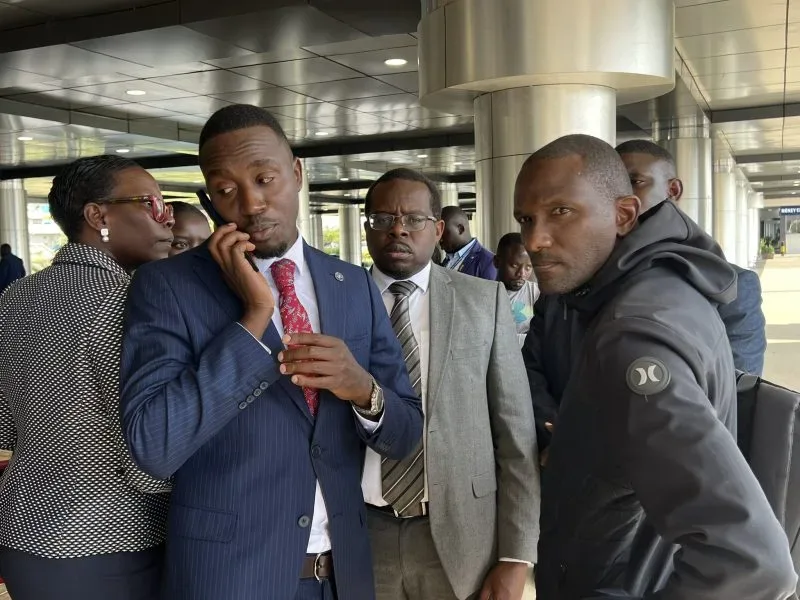
Human rights defenders, among them Bob Njagi, lawyer Kelvin Kubai and activist Njeri Migwi, stood alongside the families to carry voices that have gone unheard for far too long.
The thread running through the afternoon was the slow pace of justice and compensation cases that drag on for years, with little movement and even less accountability.
Victims described grievances that have sat unresolved while officials cycle through meetings and statements.
As attention now shifts to Parliament, where the new agreement is expected to be examined, the message from Nanyuki is plain.
A monument to remember the past, a petition to confront the present, and a platform to fight for the future and a community that has decided it will no longer wait to be heard.