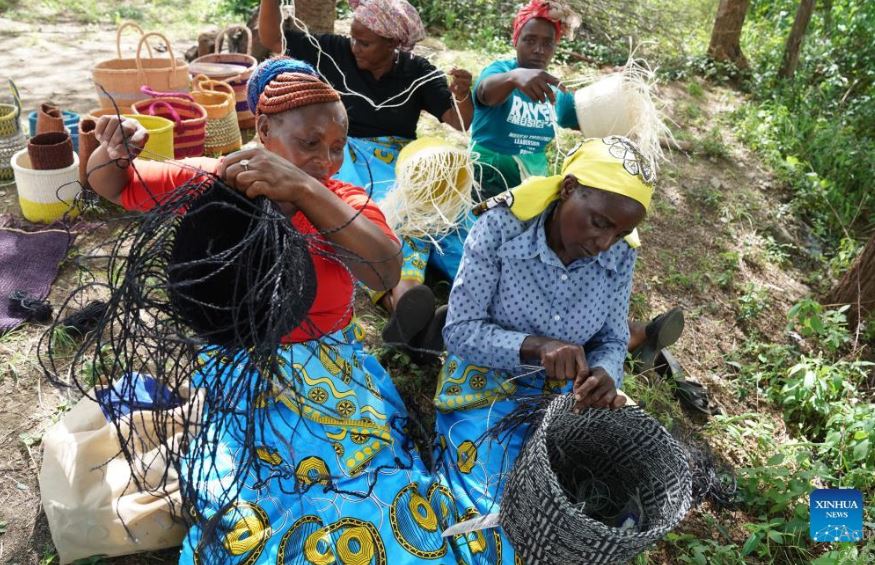
NAIROBI, Kenya, May 3 – The living conditions of women have varied widely across time and place, like the variety on bet22. While progress has been made in many areas, women still face numerous challenges and inequalities in many parts of the world.
One of the most significant factors that affect women’s living conditions is economic status. Women are more likely to live in poverty than men, with limited access to resources and job opportunities. This can lead to a range of difficulties, including lack of access to basic necessities such as clean water, adequate housing, and healthcare.
Women also face significant barriers to education, which can limit their employment opportunities and ability to earn a livable wage. According to UNICEF, there are more than 130 million girls out of school worldwide. Lack of education can lead to a lifetime of disadvantage and lower quality of life.
Another issue that impacts women’s living conditions is access to healthcare. Women are more likely to suffer from certain health conditions, such as maternal mortality, breast cancer, and cervical cancer. In many parts of the world, access to healthcare is limited or non-existent, and women are often unable to receive the care they need.
Violence against women is another major factor that affects women’s living conditions. This can include domestic violence, sexual assault, and human trafficking. Women who experience violence often suffer from physical and emotional trauma, and may struggle to access the resources they need to recover and move on.
Women’s living conditions are also impacted by cultural and social norms. Women in many cultures are expected to fulfill traditional gender roles and may face discrimination and limited opportunities for advancement. In some places, women are still denied basic rights such as the right to own property or inherit from their families.
Despite these challenges, there have been significant improvements in women’s living conditions in recent years. Women’s rights movements have worked to raise awareness and advocate for change, leading to greater access to education, healthcare, and economic opportunities for women around the world.
Governments and organizations have also worked to address issues such as gender-based violence and discrimination, with many countries passing laws to protect women’s rights and promote gender equality. The UN’s Sustainable Development Goals include targets to promote gender equality and empower women, highlighting the importance of these issues for global development.
One of the most significant factors that continue to affect women’s living conditions is gender-based discrimination. Women still face significant barriers to equal participation in many areas of society, including politics, education, and the workforce. This can limit their opportunities and result in unequal treatment in areas such as pay and career advancement.
In some cultures, harmful traditional practices, such as female genital mutilation and child marriage, continue to impact the lives of women and girls. These practices can have severe physical and psychological consequences and limit their ability to reach their full potential.
Women’s living conditions are also impacted by environmental factors, particularly in low-income and developing countries. Women are often responsible for collecting water and fuel for their families, which can be time-consuming and dangerous. Additionally, women are disproportionately impacted by the effects of climate change, such as droughts and natural disasters, which can have a significant impact on their livelihoods.
Access to reproductive healthcare is another critical factor in women’s living conditions. Women’s ability to control their reproductive health has a significant impact on their economic opportunities and quality of life. Limited access to contraception and safe abortion services can lead to unintended pregnancies, which can limit women’s ability to pursue education and employment opportunities.
Overall, women’s living conditions are impacted by a range of factors, from economic status and access to healthcare to cultural and social norms and environmental factors. While progress has been made in many areas, there is still much work to be done to address the remaining challenges and promote gender equality worldwide. Efforts to empower women and girls must continue to be a priority for governments, organizations, and individuals around the world.
In conclusion, the living conditions of women are shaped by numerous factors, and women across the world face significant challenges and inequalities. Economic status, access to education and healthcare, gender-based discrimination, cultural and social norms, environmental factors, and access to reproductive healthcare all have a significant impact on women’s quality of life.
Despite the ongoing challenges, progress has been made in many areas. Women’s rights movements have brought attention to the issues faced by women and have led to important changes in laws and policies to promote gender equality. Governments and organizations have also recognized the importance of empowering women and have implemented initiatives to address the remaining challenges.
However, there is still much work to be done. Women continue to face discrimination and violence, limited access to resources, and unequal treatment in many areas of society. In order to create a world where women can fully participate and thrive, we must continue to prioritize gender equality and empower women and girls.
This requires a multi-faceted approach that includes education, legal and policy changes, and investment in initiatives that promote women’s economic opportunities, healthcare, and safety. By working together, we can create a world where women can realize their full potential, and where gender equality is a reality for all.