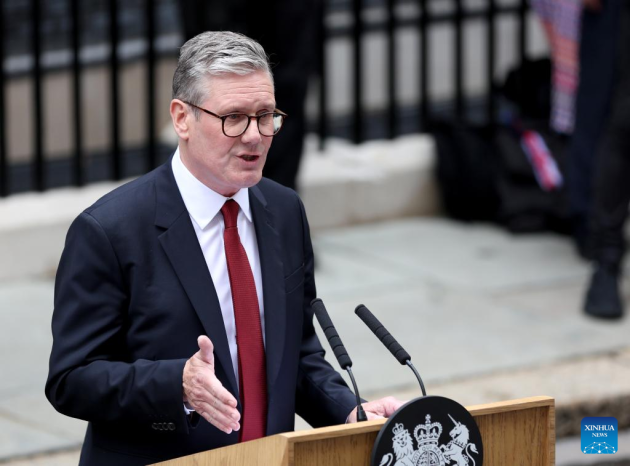
Keir Starmer has announced his resignation as Prime Minister of the United Kingdom and leader of the Labour Party following mounting internal pressure within the party and growing dissatisfaction over recent local election results.
Starmer’s resignation marks a dramatic political development less than two years after he led Labour to a historic general election victory that ended more than a decade of Conservative rule in Britain.
In a statement issued on Monday, Starmer acknowledged the increasing divisions within the party and said he believed stepping aside was in the best interest of both the government and the Labour Party.
“I have always acted in what I believe to be the national interest and in the interest of the Labour Party. The time has now come for new leadership to take the country forward,” Starmer reportedly said.
His departure follows weeks of speculation over his political future amid declining approval ratings, criticism from sections of Labour MPs, and disappointing local election performances that raised concerns about the party’s direction ahead of future national contests.
Senior Labour figures had reportedly intensified pressure on Starmer to reorganize his leadership team and chart a clearer political strategy after the party suffered unexpected setbacks in key council races across England.
Despite his resignation, Starmer is expected to remain in office temporarily until the Labour Party elects a new leader and Prime Minister.
The resignation is likely to trigger a highly competitive leadership contest within Labour, with several senior figures already being mentioned as possible successors.
Starmer, a former human rights lawyer and Director of Public Prosecutions, became Labour leader in 2020 and successfully repositioned the party toward the political center following years of internal divisions. His leadership culminated in Labour’s return to power during the 2024 general election.