Every year, as Valentine’s Day approaches, love is whispered in a thousand ways—from handwritten notes to candlelit dinners and grand romantic gestures. But nothing whispers love quite like red roses. Their velvety petals, intoxicating fragrance, and timeless beauty have made them the universal symbol of romance. Yet, behind every bouquet exchanged on this day lies a story of devotion, precision, and passion. A story rooted in Kenyan flower farms, where some of the world’s most exquisite roses begin their journey.
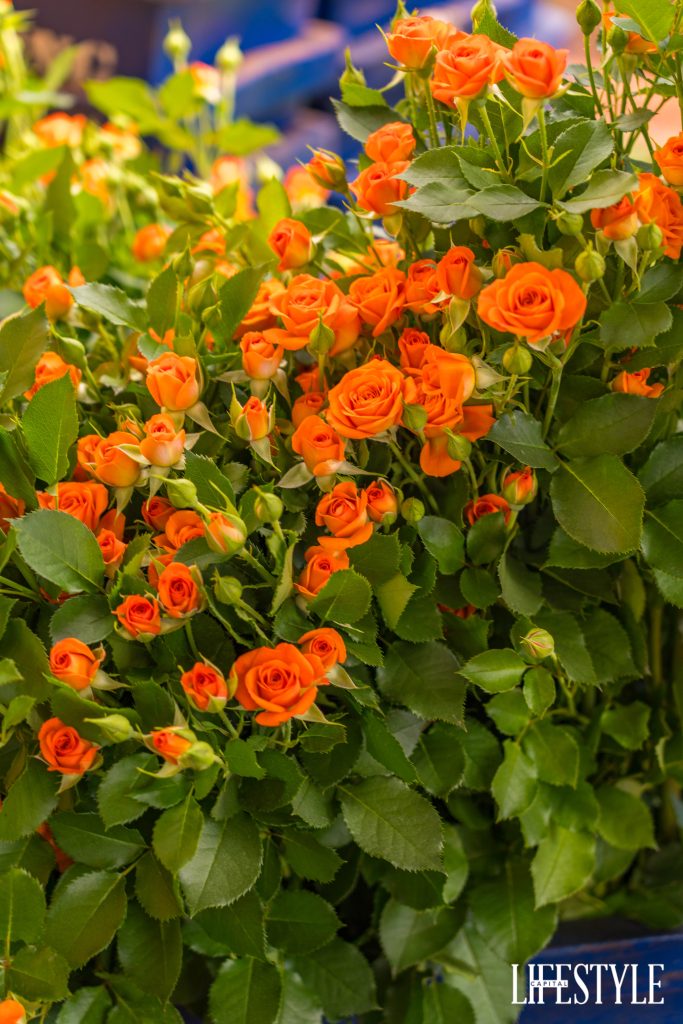
Did you know, that flowers are Kenya’s second-largest export earner after tourism? In September 2024 alone, Kenya exported cut flowers worth Ksh 6.3 billion (approximately $48.6 million), continuously securing its place as one of the world’s largest exporters of cut flowers.
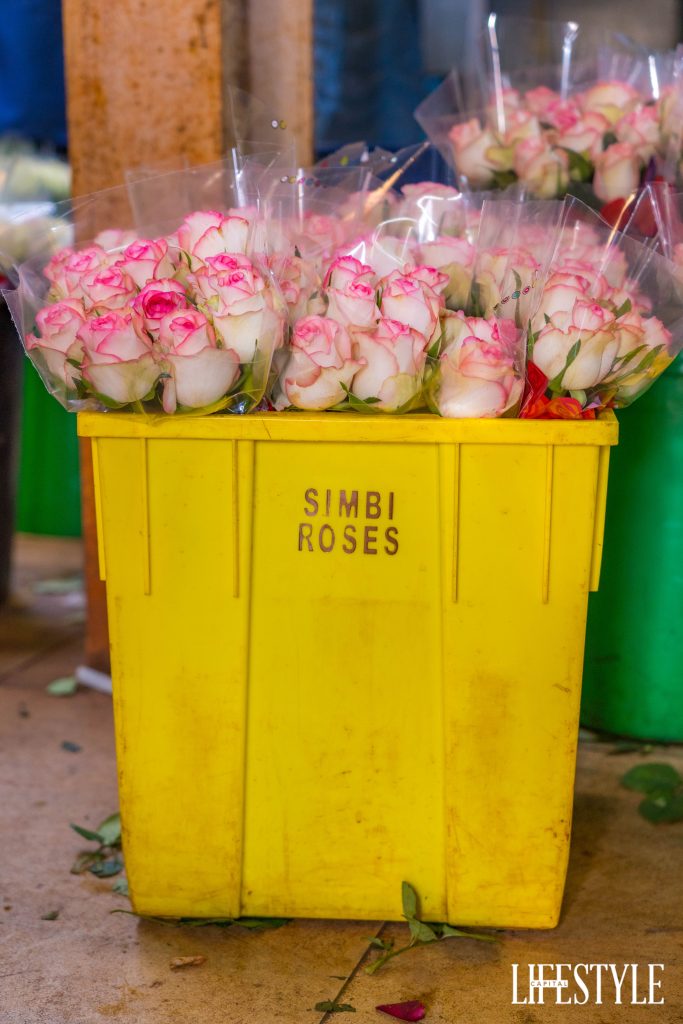
At the heart of this flourishing industry is Simbi Roses—a vibrant farm in Thika, where roses aren’t just grown but meticulously crafted into living masterpieces of color and fragrance.
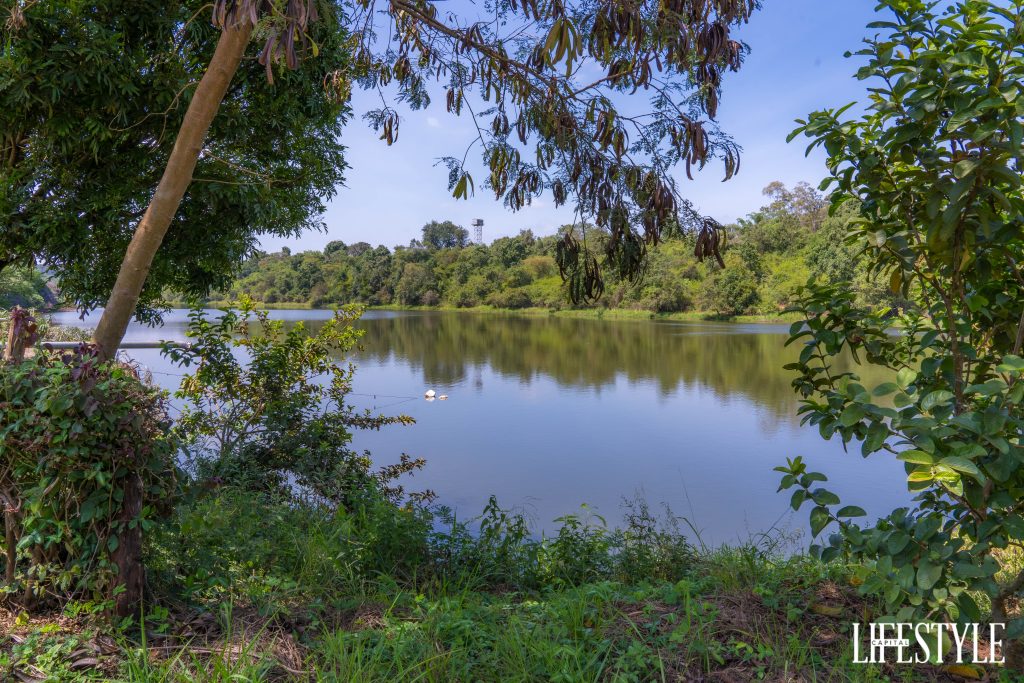
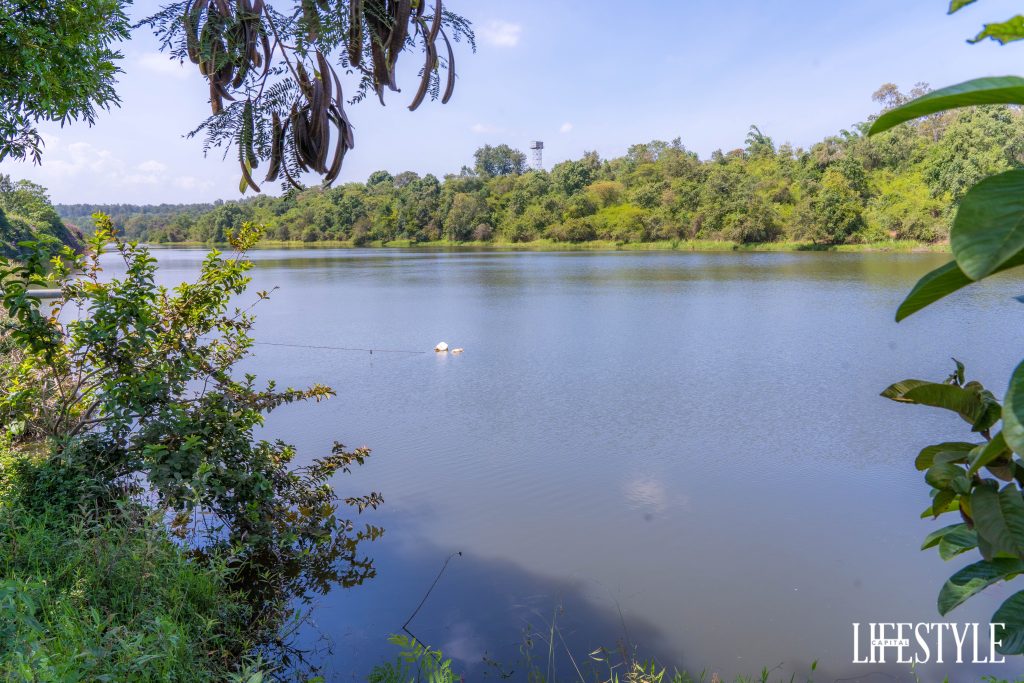
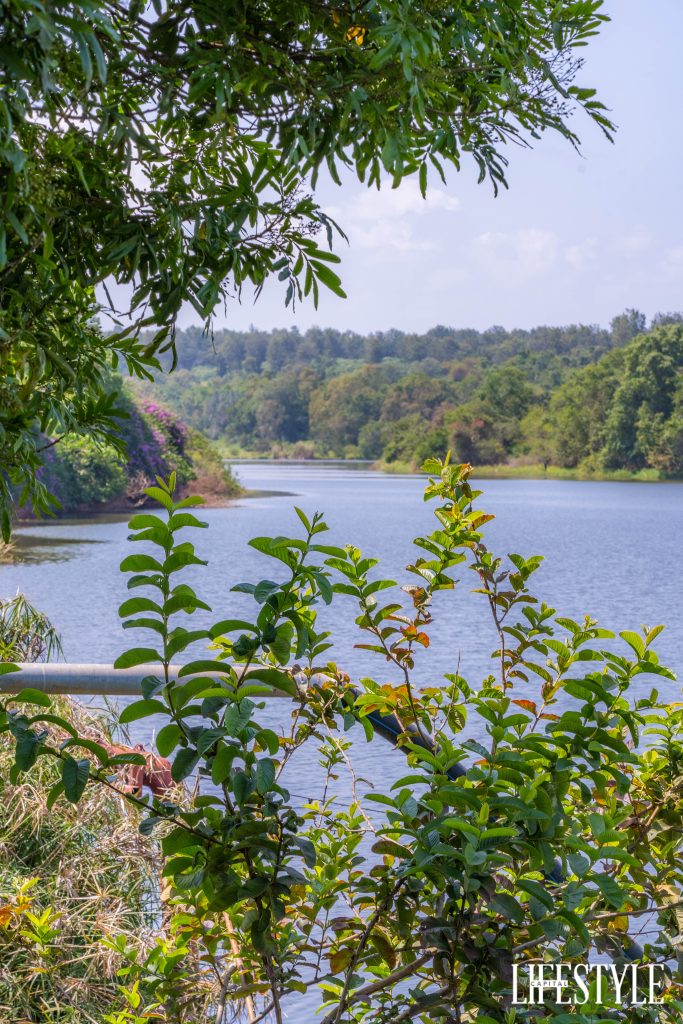
One Thursday morning, we (my photographer and I) set out to explore the farm and witness firsthand how roses are grown. The drive to Simbi Roses is a true feast for the senses. As we veered off the Thika Superhighway, the scenery transformed into rolling fields, shimmering dams, and crisp, invigorating air that instinctively made me roll down the windows.
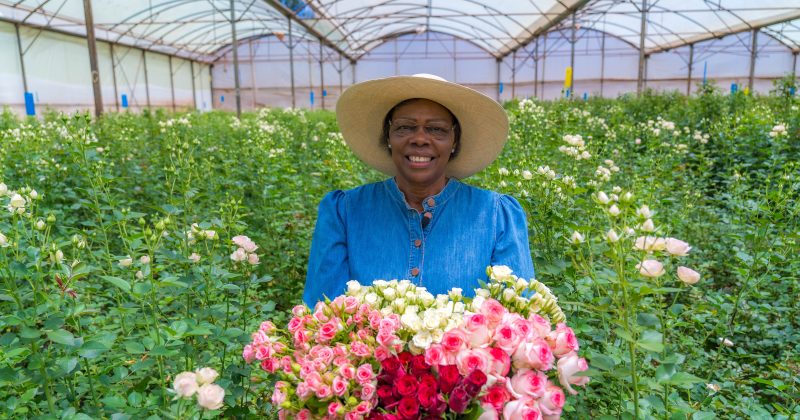
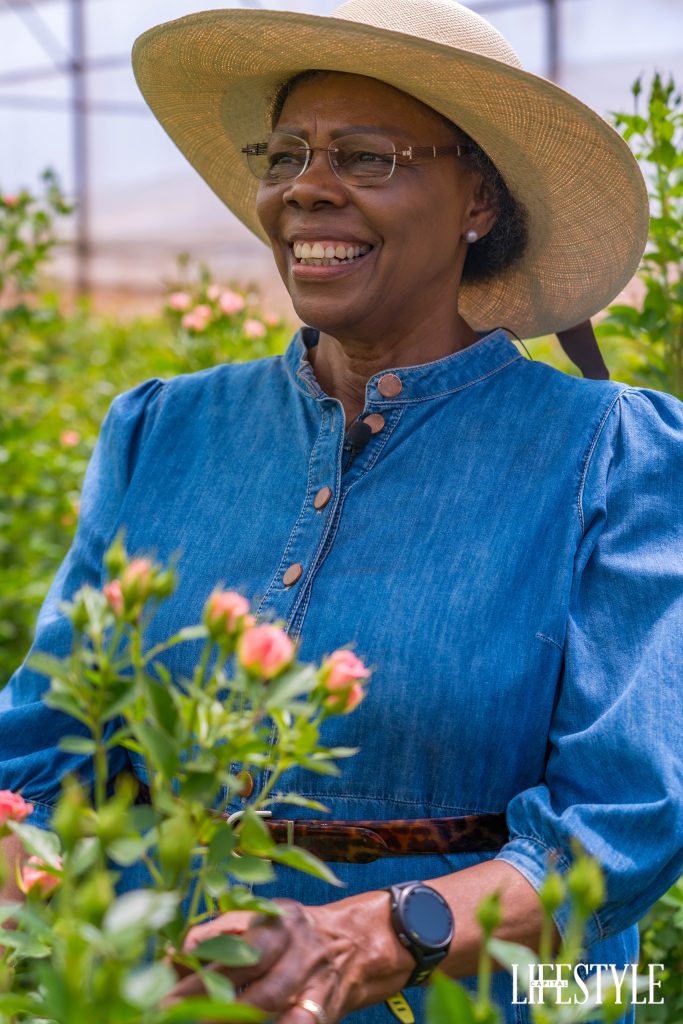
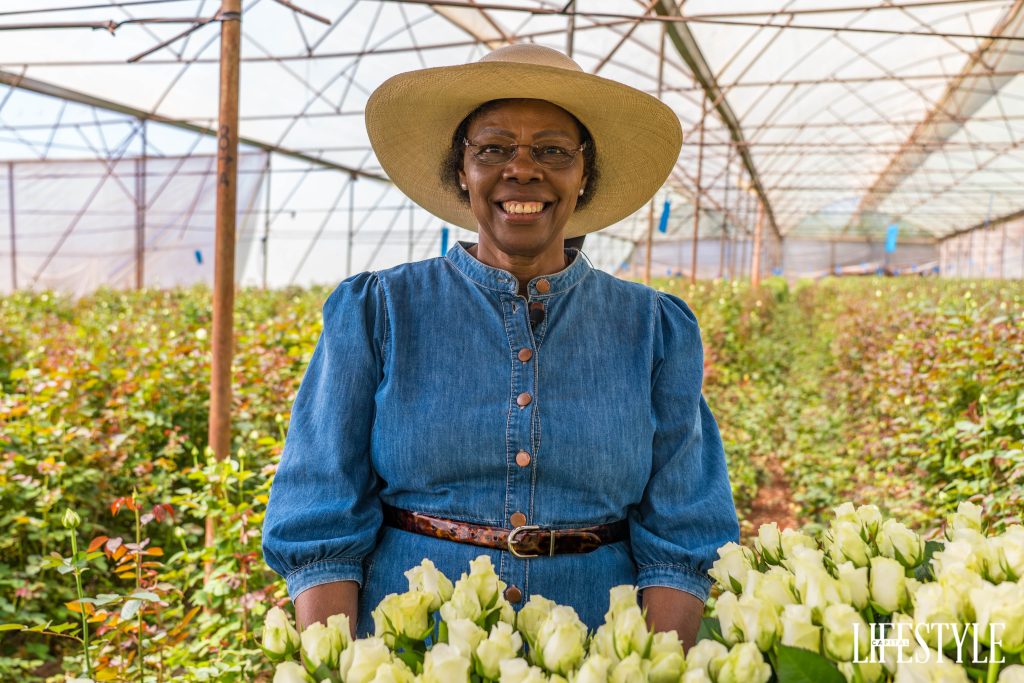
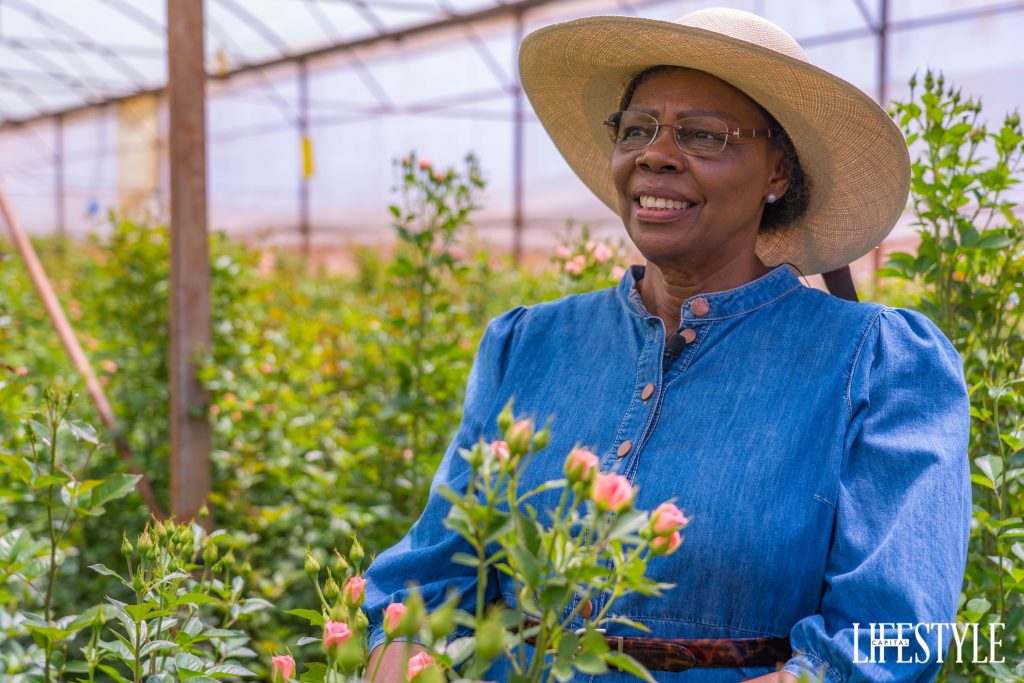
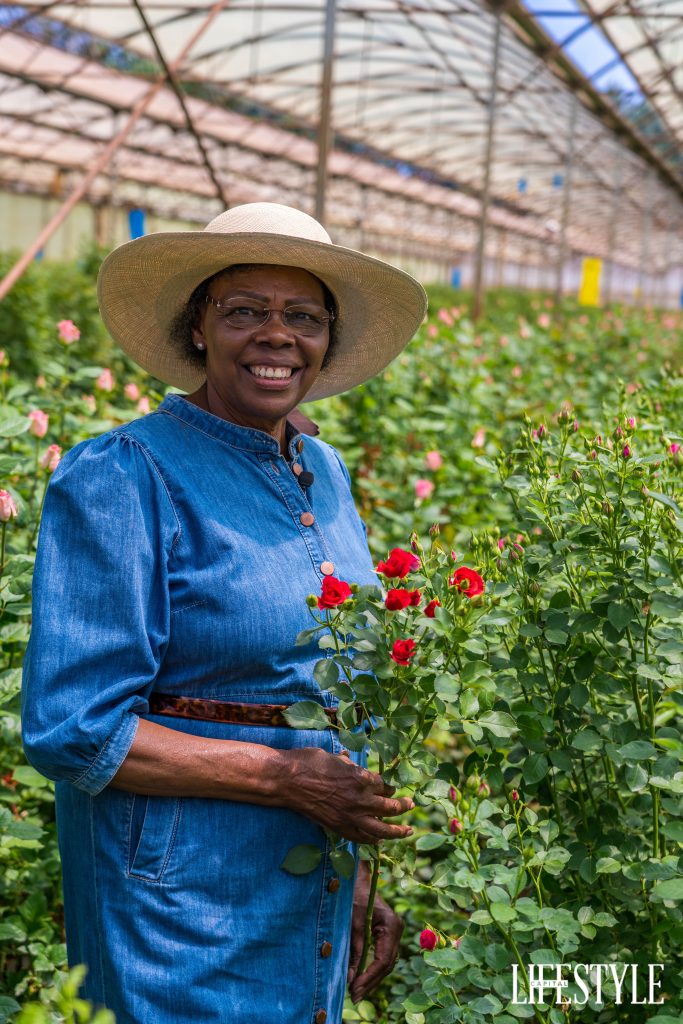
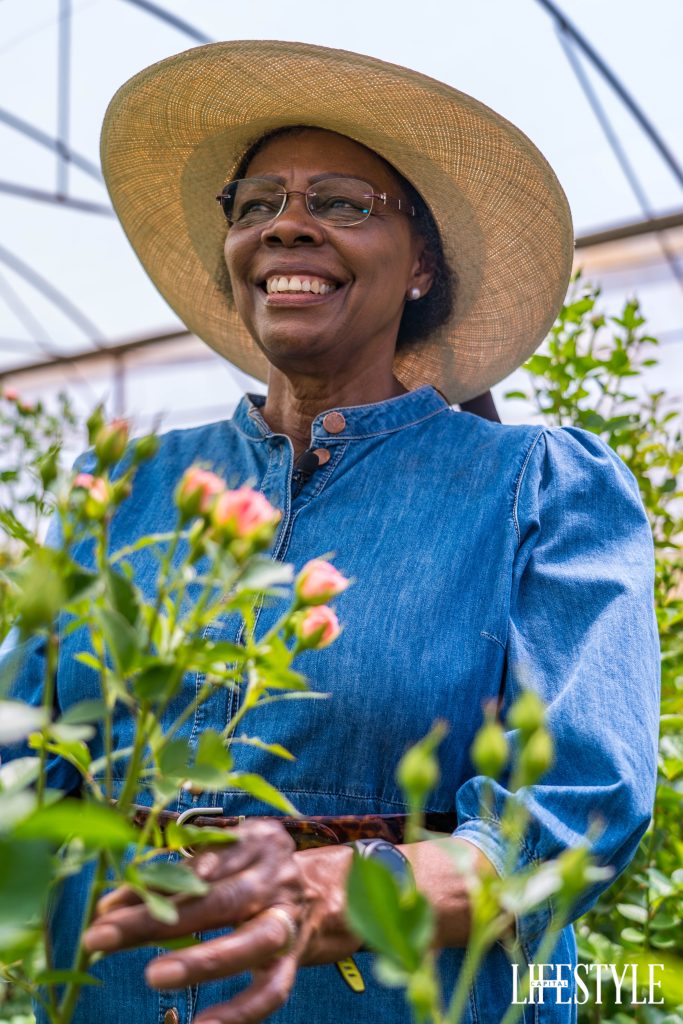
Walking through endless rows of blooms on the farm, breathing in their delicate fragrance, and meeting the visionary behind it all fills me with anticipation. When my crew and I arrive at the main farmhouse, we find Mrs. Grace Nyachae, the founder and patron of Simbi Roses Ltd. Dressed in a chic blue denim dress, styled with a wide-brimmed hat and sneakers, she embodies both grace and practicality.
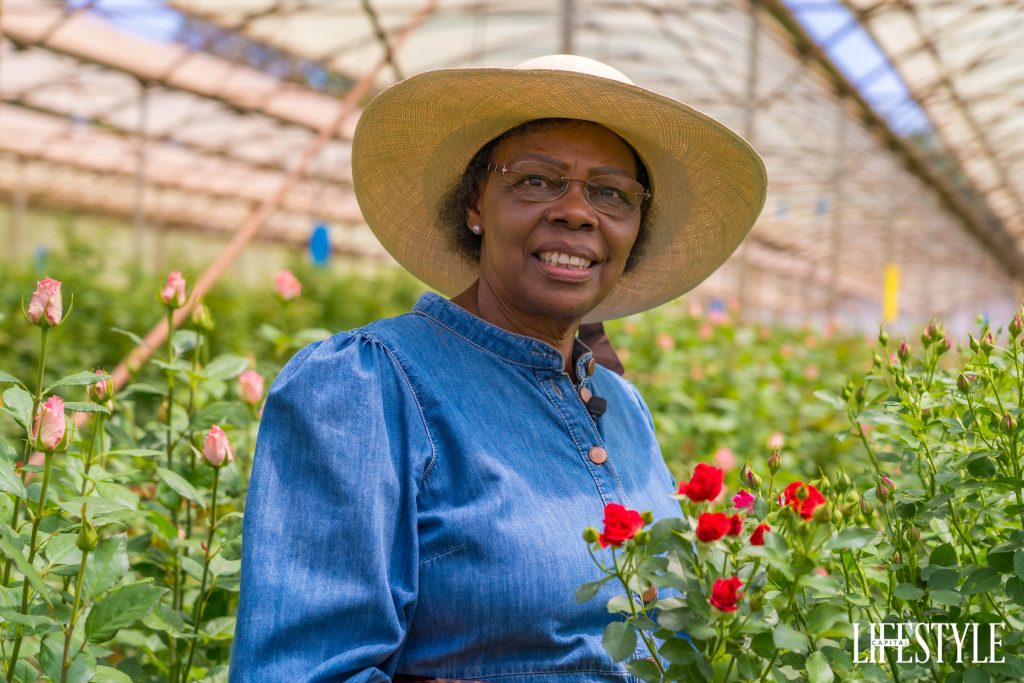
“I hope the drive wasn’t too long—was it?,” she says.
On the table sits a fresh pot of tea and homemade banana bread. “I baked it myself this morning,” she offers with a smile. We share this simple yet delightful breakfast together.
Grace’s love for flowers bloomed early. “I’ve always loved flowers,” she says. “But I never imagined I’d be a flower grower one day.”
Nearly three decades ago, she shared her dream with her late husband, former Cabinet Minister Simeon Nyachae. “My husband wasn’t interested in flowers at all,” she chuckles. “He didn’t care for them one bit. But he believed in me. He saw my passion and encouraged and supported me 100%. That kind of support? It means everything.”
Back then, the land was a coffee farm, but coffee never stirred her soul the way flowers did.
“I grew up around coffee farming, and I remember the hard labour that came with it,” she says. “It wasn’t something I was excited about.”
So, she dared to reimagine the land’s future. Little by little, they uprooted the coffee trees and planted roses.
Five years ago, she made the bold decision to remove the last traces of coffee trees, dedicating the farm to mostly flowers and a small portion to avocado and macadamia. “It wasn’t easy, but when you’re passionate about something, you make it work,” she says.
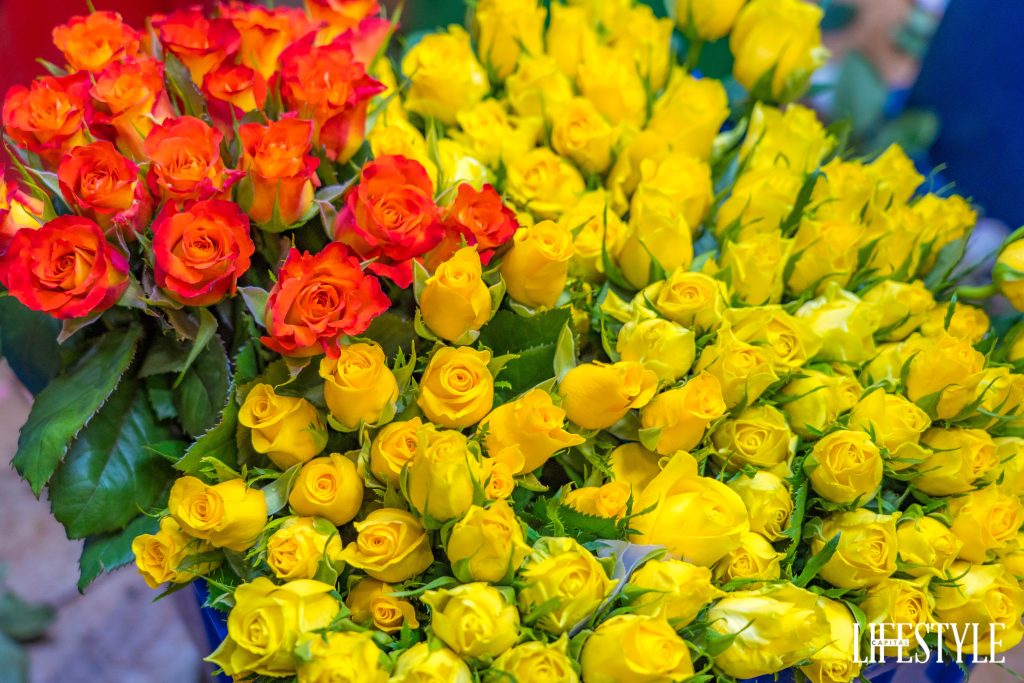
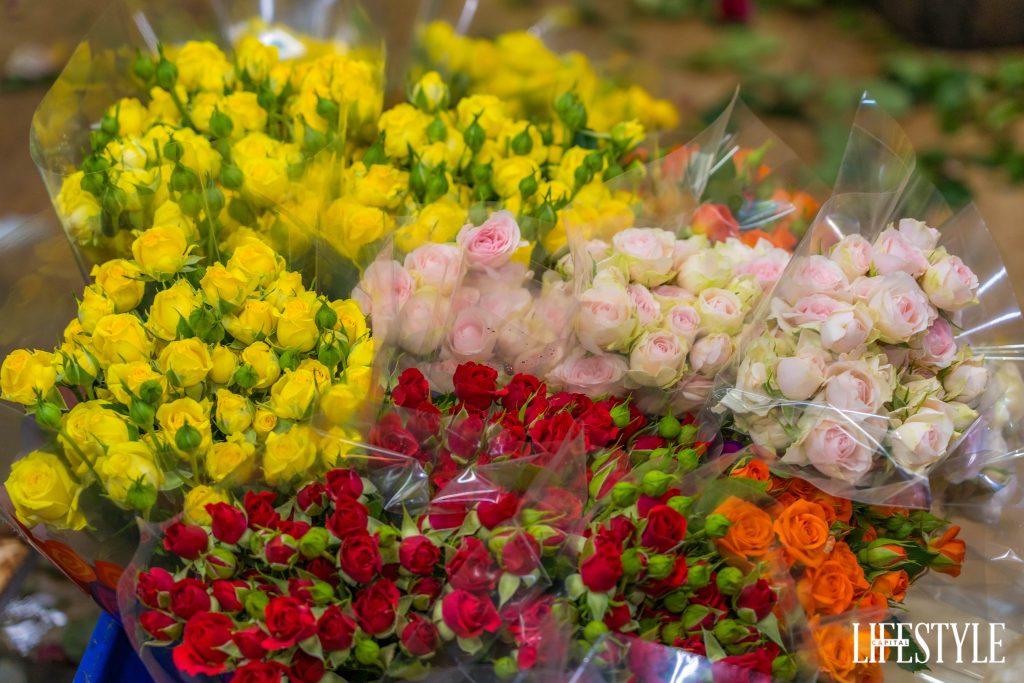
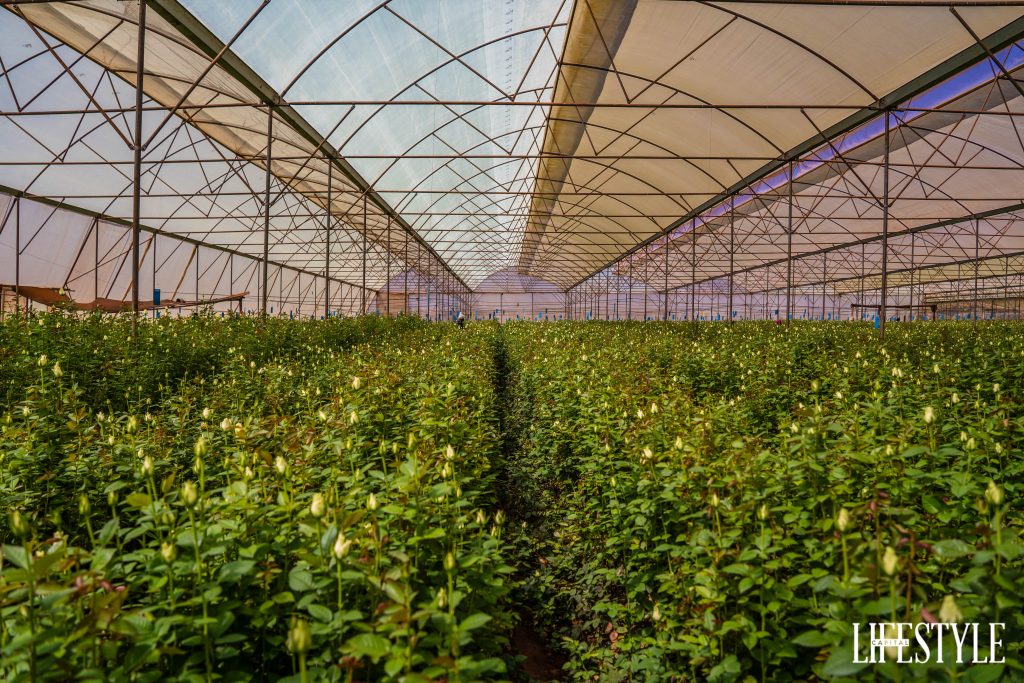
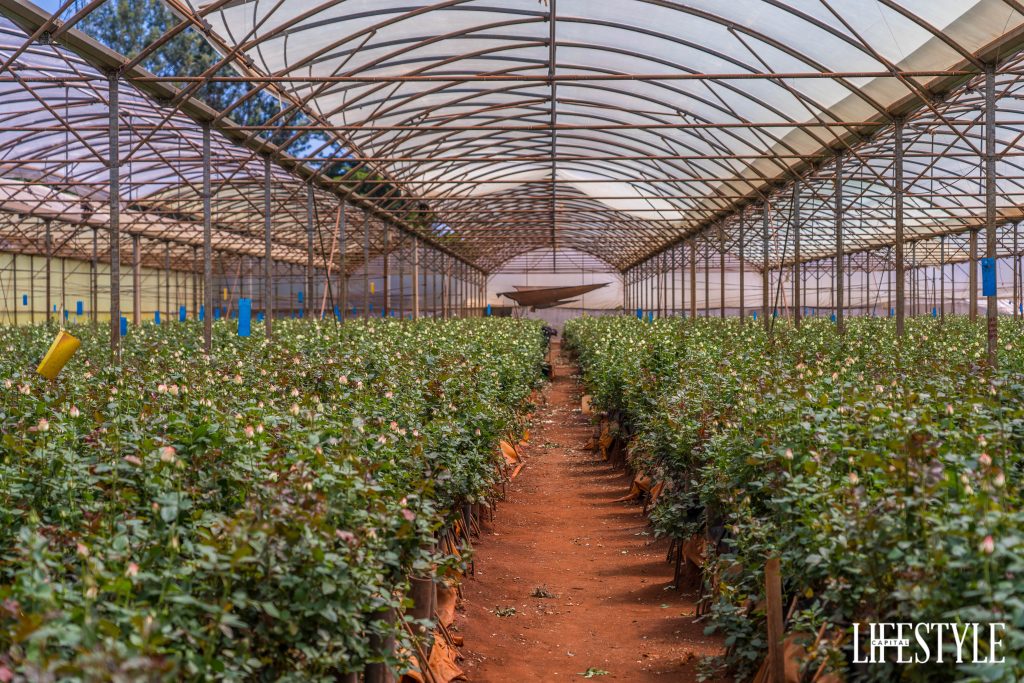
Today, Simbi Roses spans 27 hectares and produces up to 40 million stems annually, cultivating more than 24 exquisite rose varieties, including Nightingale, Charlize, Double Date, Moon Walk, Clarion, Athena, and Furiosa. Each rose is cultivated with care and precision.
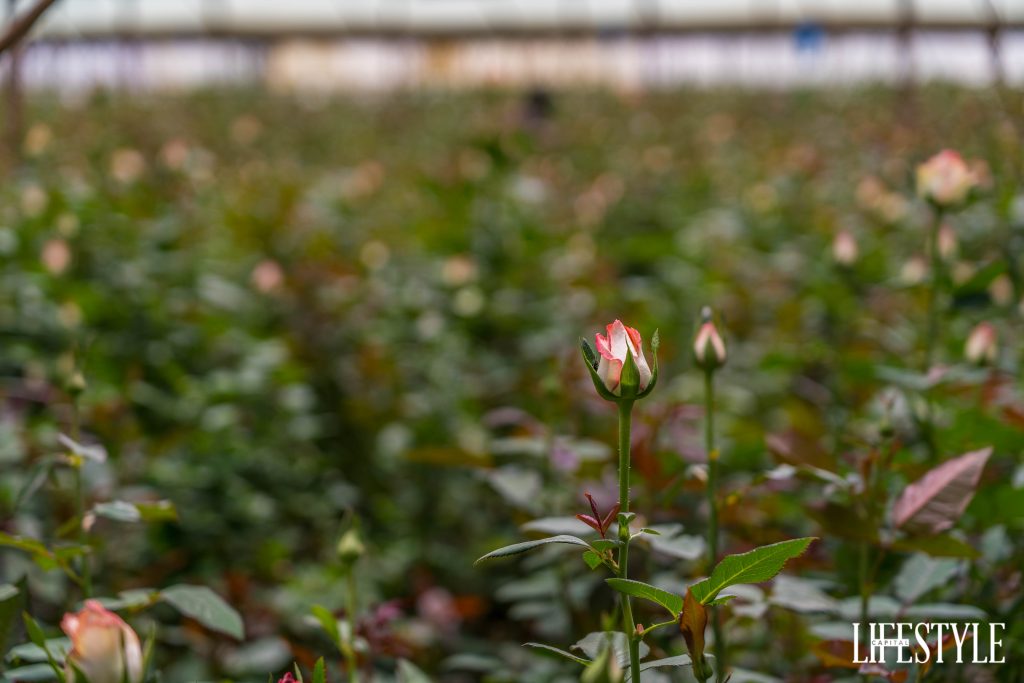
“This is where the magic begins,” Grace says as we leave her office and walk towards one of the 32 greenhouses. Inside, rows upon rows of delicate roses sway gently. Each of these tiny buds will slowly unfurl into the roses that will soon grace tables as single stems or bouquets across the world.
“This is where the magic begins,” she says with a smile. “Every rose starts as a tiny cutting, nurtured with care until it’s strong enough to bloom. We don’t just grow flowers here—we cultivate beauty, love, passion and joy for people thousands of miles away.”
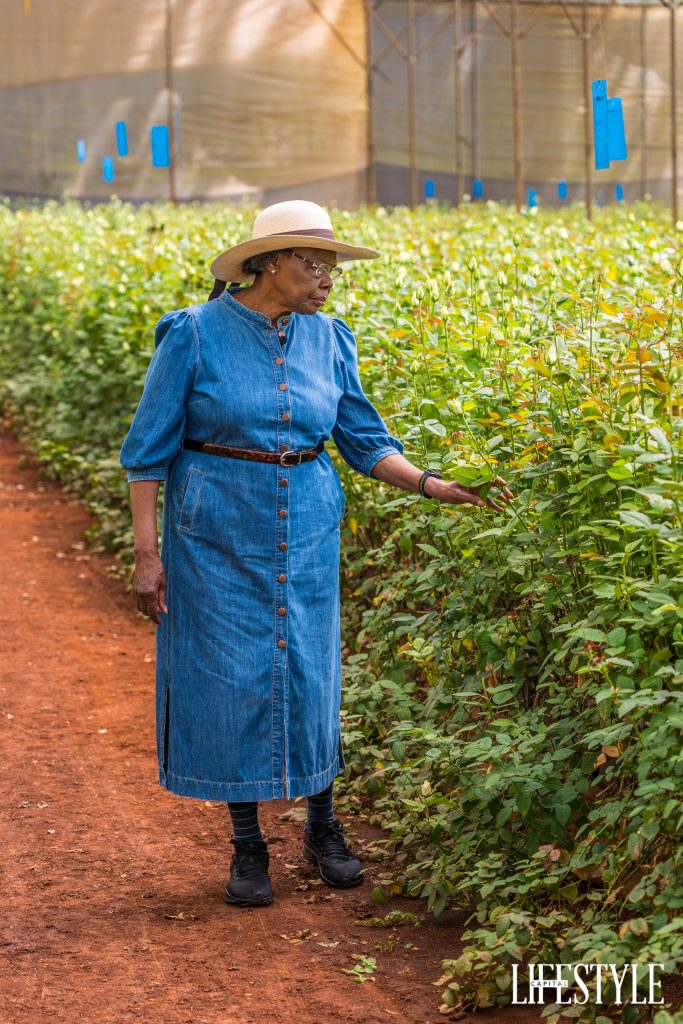
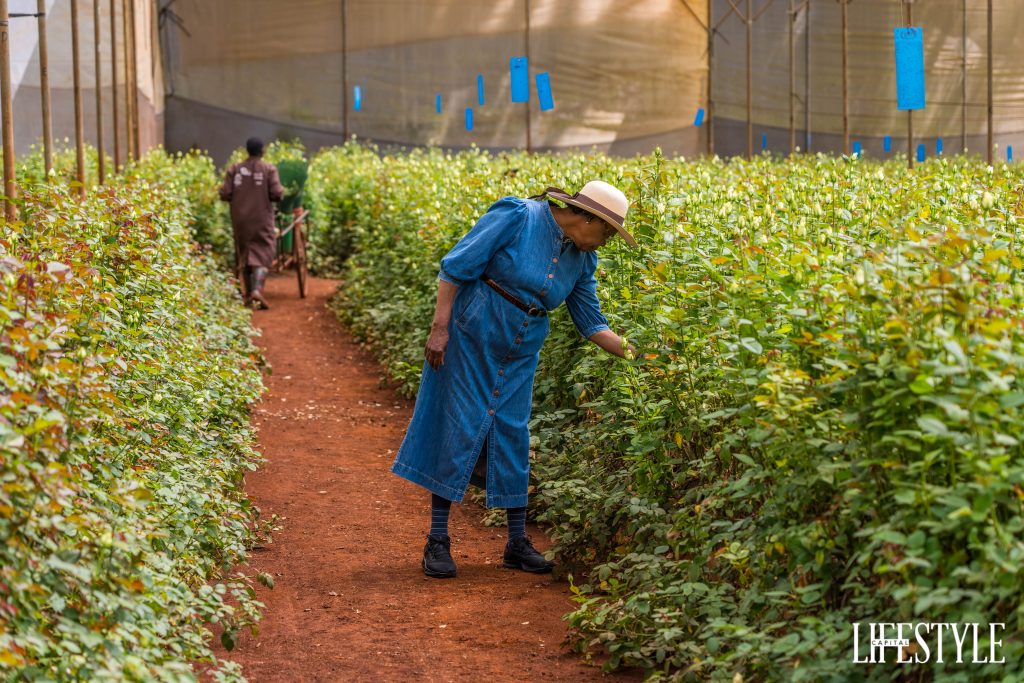
As we walk past rows of the ethereal white elegance of Athena, she pauses beside a bed of young plants, their stems reaching eagerly toward the light. “We plant the cuttings in raised beds like these, where they get the right nutrients and hydration. Everything has to be just right—the soil, the water, the temperature. It’s delicate work.”
She bends down, gently brushing a leaf between her fingers. “Water is life for these flowers,” she says, “I’m sure you saw the big dam as you drove in. We use drip irrigation to make sure every plant gets just the right amount. Too much, and they drown. Too little, and they struggle.”
We move deeper into the greenhouse, where taller roses at different stages of bloom. “It takes about three to four months for the first flowers to be ready for harvest,” she says, expertly plucking a stem. “We harvest them early in the morning or late in the evening when they’re freshest. The moment we cut them; they go straight into water,”
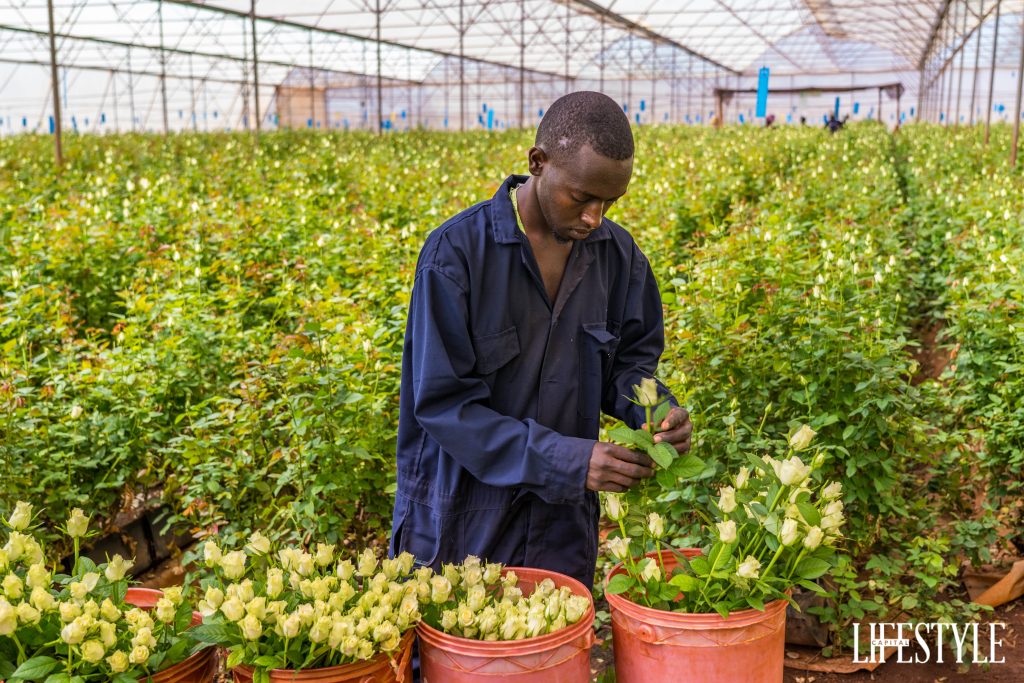
Growing roses isn’t just about planting and watering. It is a sophisticated industry that involves licensing and royalties. “People don’t always realize that we pay royalties for these flowers,” she explains. “Breeders—who own and develop these varieties—give us the authority to grow them, and we pay per plant. A single hectare holds about 70,000 rose plants, and every one of them carries a cost. The breeders understand this trade. They guide us on which varieties work best, which are resilient, and what the market wants. It’s a partnership.”
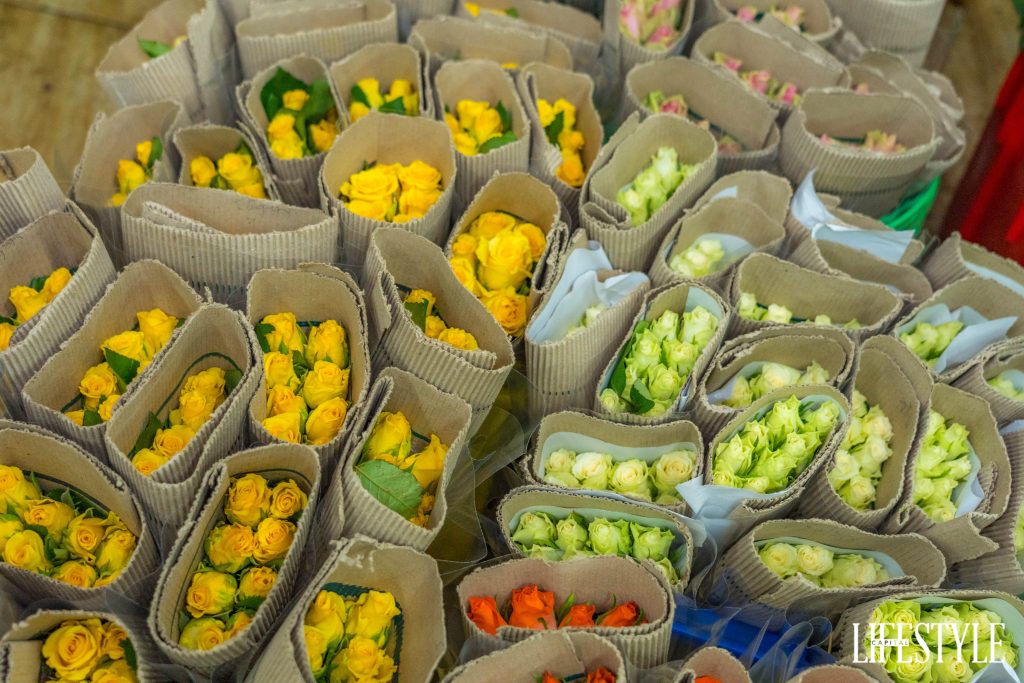
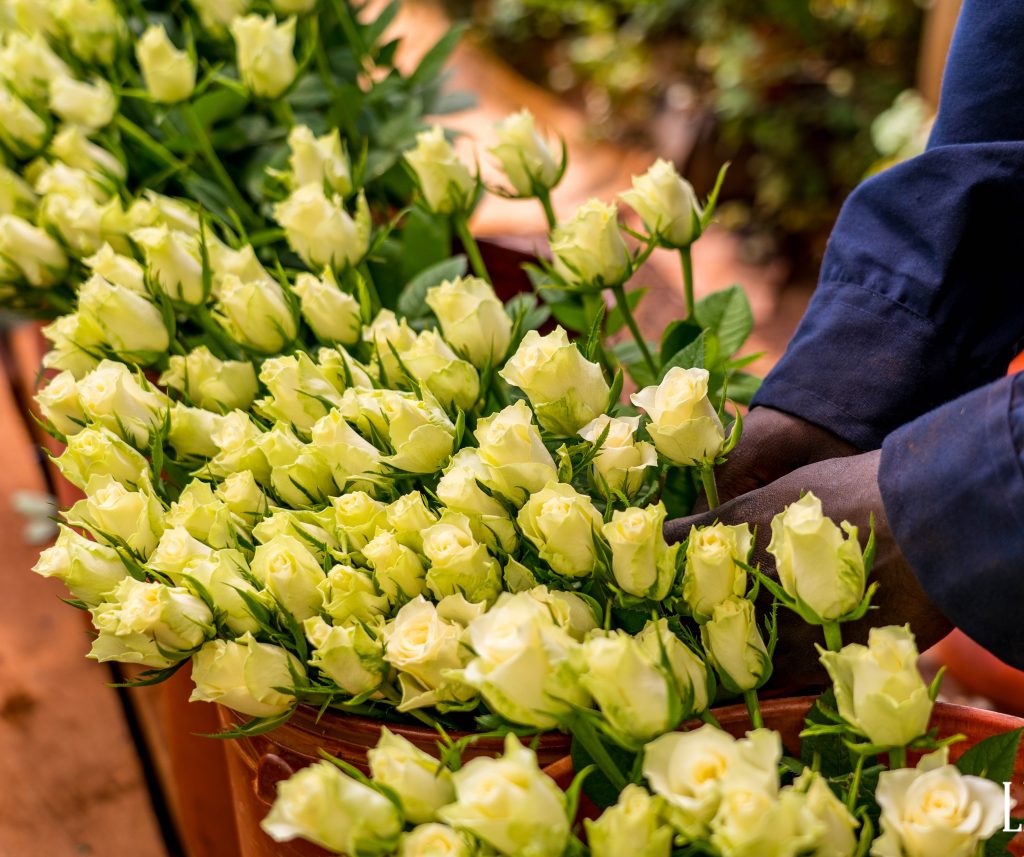
She leads us to the grading hall, where workers move swiftly, sorting, grading, and bundling the roses into neat bunches. Only the best blooms make it to export, destined for global flower auctions where they will be sold within 24 hours of leaving the farm.
“Stem length, colour, freshness—it all matters,” she says.
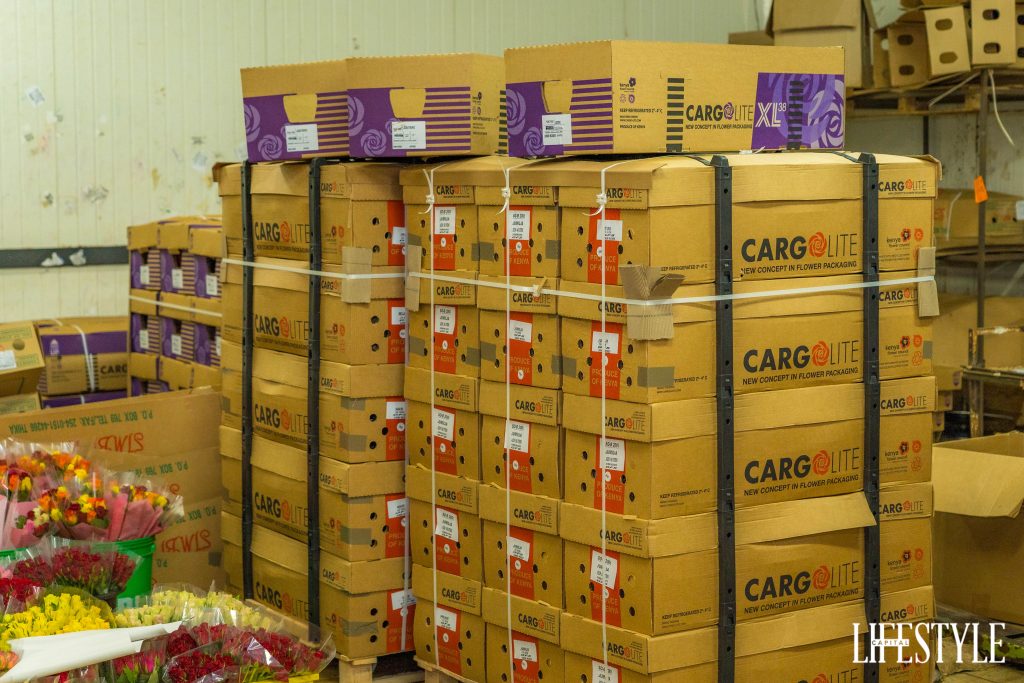
She then leads us towards the packhouse, where workers are carefully sorting and bundling roses. With Valentine’s Day around the corner, Simbi Roses is at its busiest. Red roses are in high demand. The majority of their exports head to Europe, especially the Netherlands, where they are sold in the world’s largest flower auction.
“The biggest season for us, of course, is Valentine’s Day. Red roses fly off to Europe in staggering numbers.”
Grace leads us to a cold storage room where freshly cut roses rest. “Before they leave, they go through pre-cooling to keep them fresh. From here, they are packed and put on refrigerated trucks, heading straight to Jomo Kenyatta International Airport. In less than 24 hours, they are in Europe, ready for the flower auctions.”
Imagine that,” she says “Our beautiful roses from here, in Thika, end up brightening someone’s home or hearts in Amsterdam, or Paris, or London. It’s beautiful, isn’t it?”
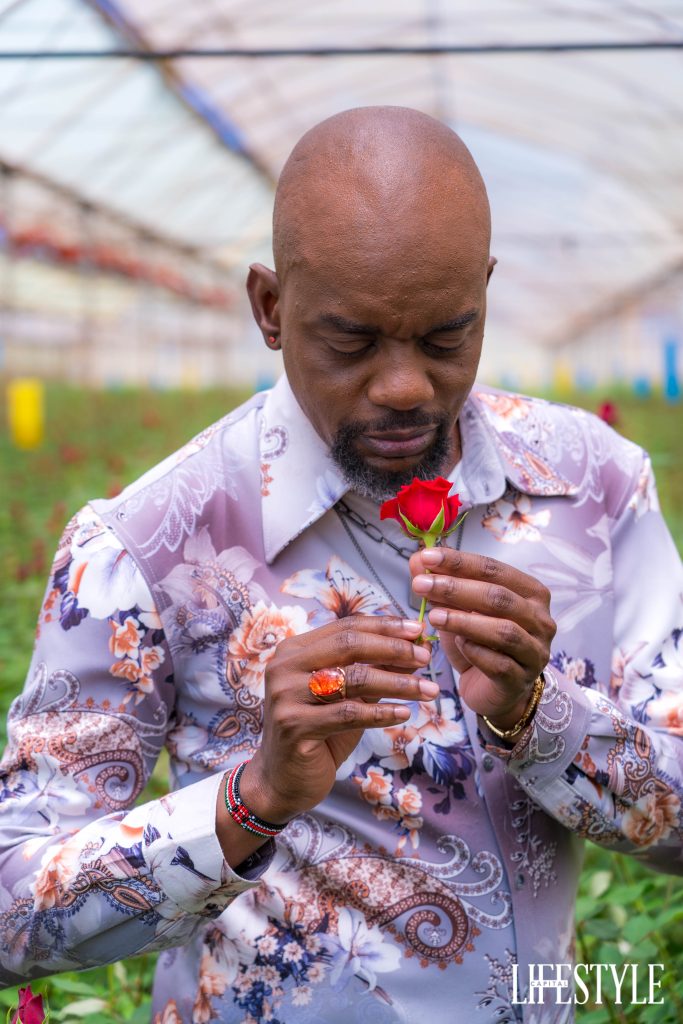
And as she walks through the rows of roses, touching the petals with the tenderness of someone who has nurtured them like children, you cannot help but believe it. This is more than farming—it’s poetry in bloom. She pauses, picking a delicate pink rose between her fingers.
“This one is Jumilia—my absolute favourite,” she says with a smile. “There’s just something about it. The soft pink edges, the way it opens so gracefully. I never get tired of seeing it bloom. If you want to make me happy, send me these.”
Her voice softens as she looks at the many workers packing the flowers. “This farm isn’t just about flowers—it’s about people. We employ over 400 workers here. That means more than 400 families, more than 400 lives that we touch. That’s what I’m most proud of—not just the farm’s growth, but the people behind it. This is my contribution to the world and the economy.”
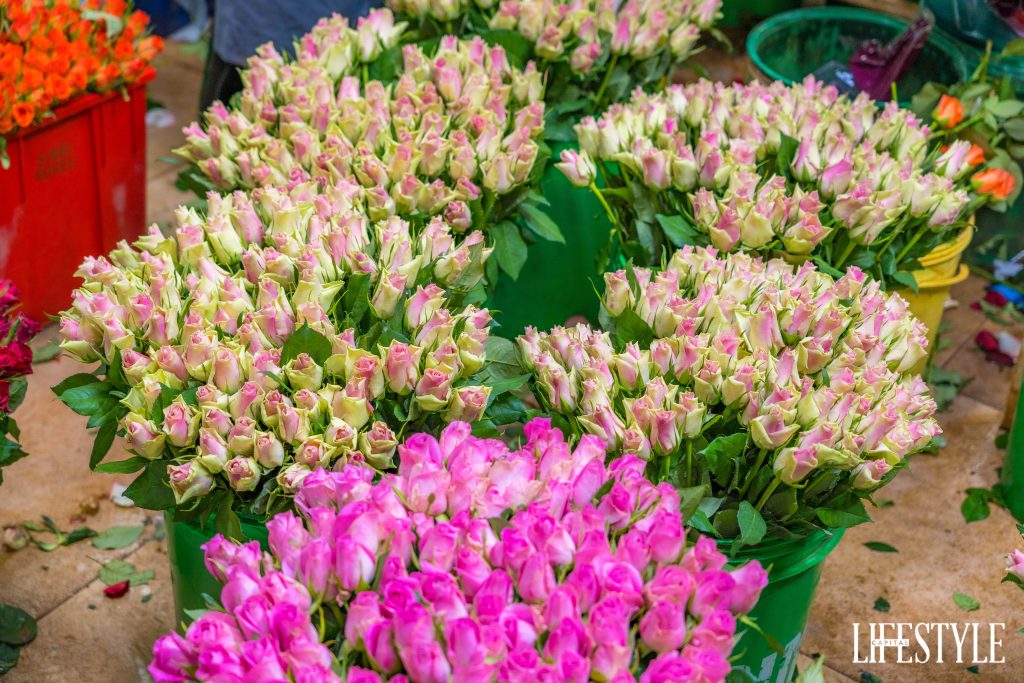
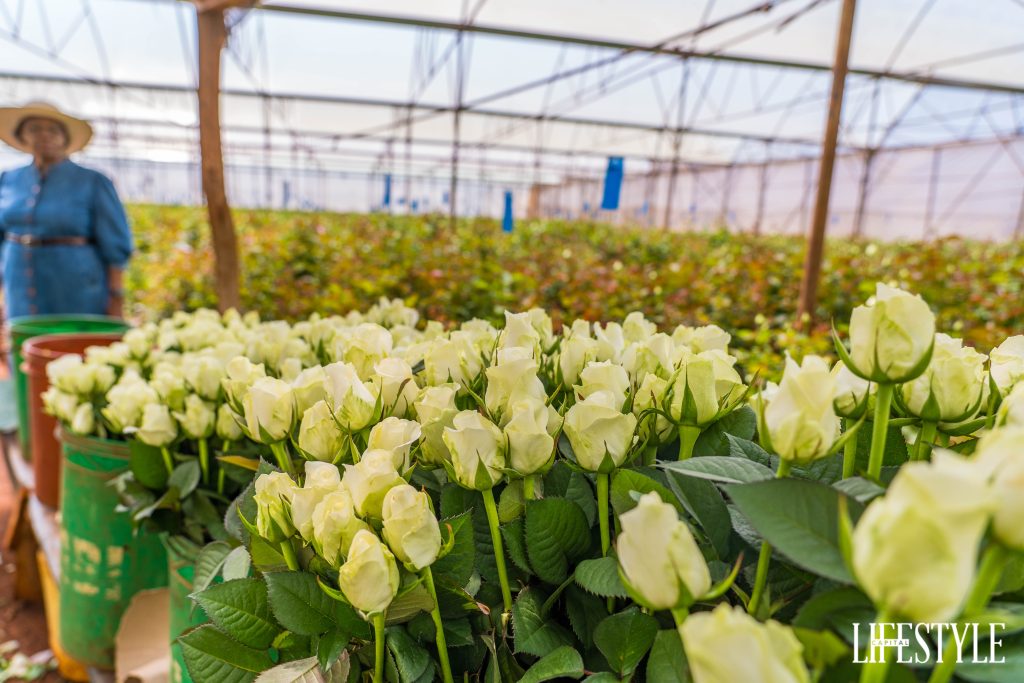
We step out into the sunlight and walk toward another greenhouse. Inside, she gently touches the budding roses, showing us their journey from tiny sprouts to full bloom. “We have to be patient,” she says, “some flowers take months before they are ready for harvest. And when people buy flowers, they should handle them with care. I always cringe when I see roses being held upside down in the streets of Nairobi, and then tossed into a bucket of dirty water. That’s not how you treat something so delicate.”
But the journey hasn’t always been easy. “Kenya is an agricultural powerhouse, yet there are so many challenges in this industry. Flowers are our second biggest forex earner, and I truly wish the government would do more to support horticulture. The world loves our flowers—we should be investing in this sector even more.”
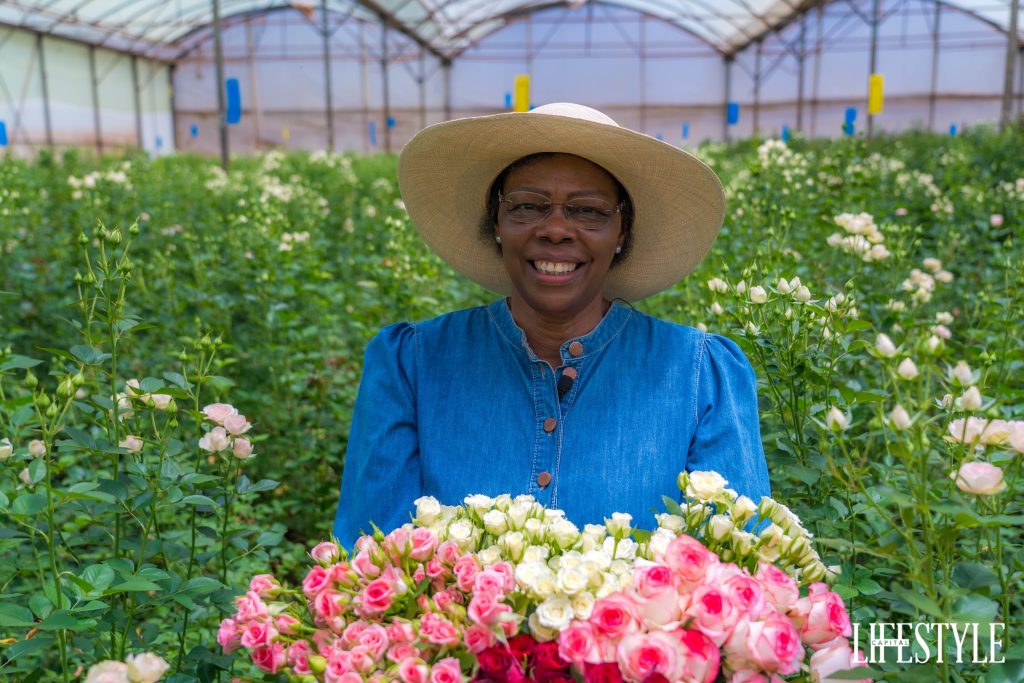
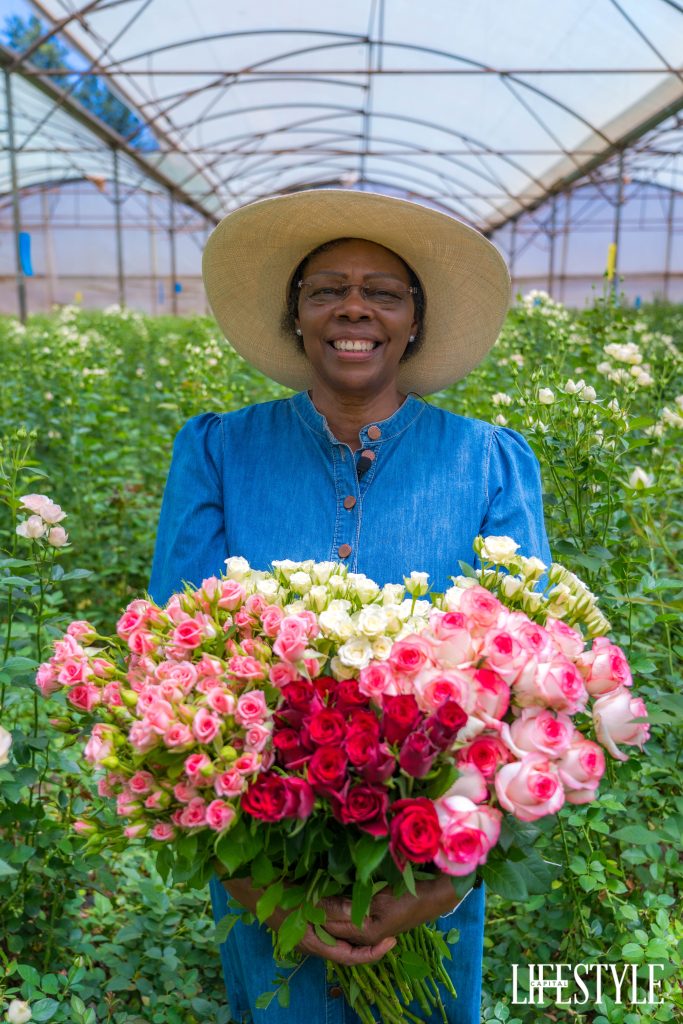
As we step outside, the endless greenhouses stretch before us—each sheltering blooms destined to brighten hearts around the world. Kenya’s flowers are more than exports; they are messengers of love, timeless symbols of affection, and quiet architects of the world’s most cherished moments.
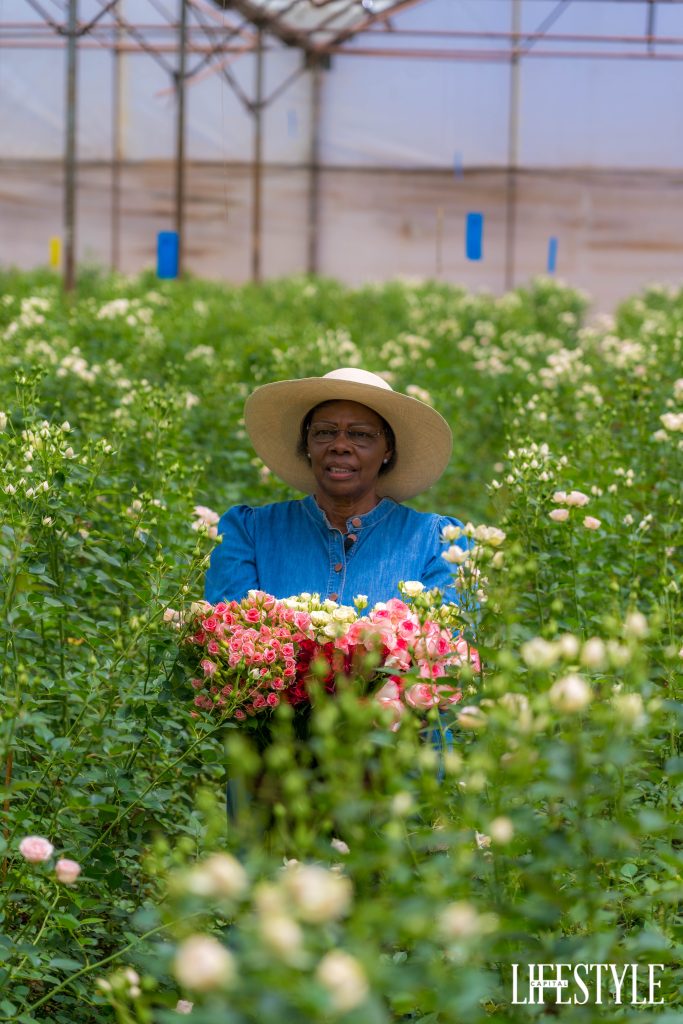
Just as we prepare to leave, she surprises us with vibrant, fragrant bouquets—full of life and promise. Cradling the delicate roses, I’m struck by a lingering thought: this farm is more than a business. It’s a reflection of her spirit—resilient, nurturing, and full of grace. And if ever there were a more fitting name, it would surely be Grace Roses Nyachae.