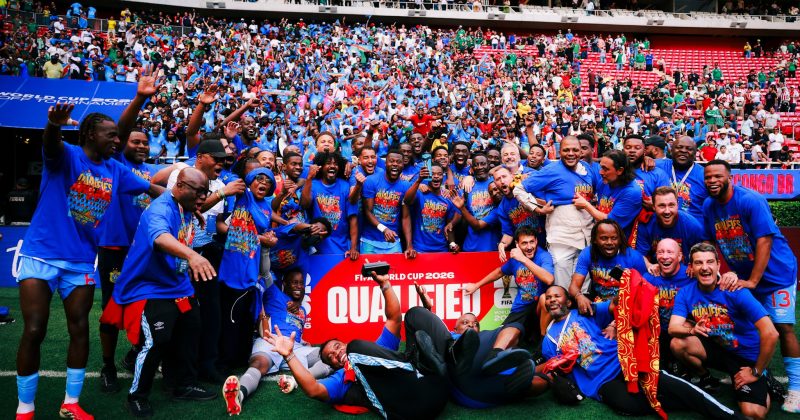
NAIROBI, Kenya, April 1, 2026 — The “52-year ghost” has finally been exorcised.
The Democratic Republic of Congo (DRC) secured a historic qualification for this year’s Fifa World Cup following a 1-0 triumph over Jamaica on Tuesday night in Mexico.
It is a win that did not come out of the blue but the result of many years of a methodical and intentional recruitment strategy that focused on foreign-born players.
None should be watching more closely than Kenya’s Harambee Stars.
While the DRC’s domestic league and infrastructure have often struggled, their national team has become a global powerhouse.
Their secret wasn’t a state-of-the-art academy; it was a personal, high-touch recruitment strategy — a guerrilla approach to scouting that Benni McCarthy is now mirroring in his quest to lead Kenya to next year’s Africa Cup of Nations(Afcon) and beyond.
How do you convince a Premier League star like Aaron Wan-Bissaka to trade an England dream for a nation with weak structures?
For the DRC, it didn’t start with a formal letter; it started at a Costa Coffee in Purley, London.
In a move that has become legendary in recruitment circles, DRC manager Sébastien Desabre and former national captain Gabriel Zakuani met at the unassuming café for a secret mission.
Within an hour, they weren’t just talking tactics; they were sitting in Wan-Bissaka’s living room, speaking with his parents.
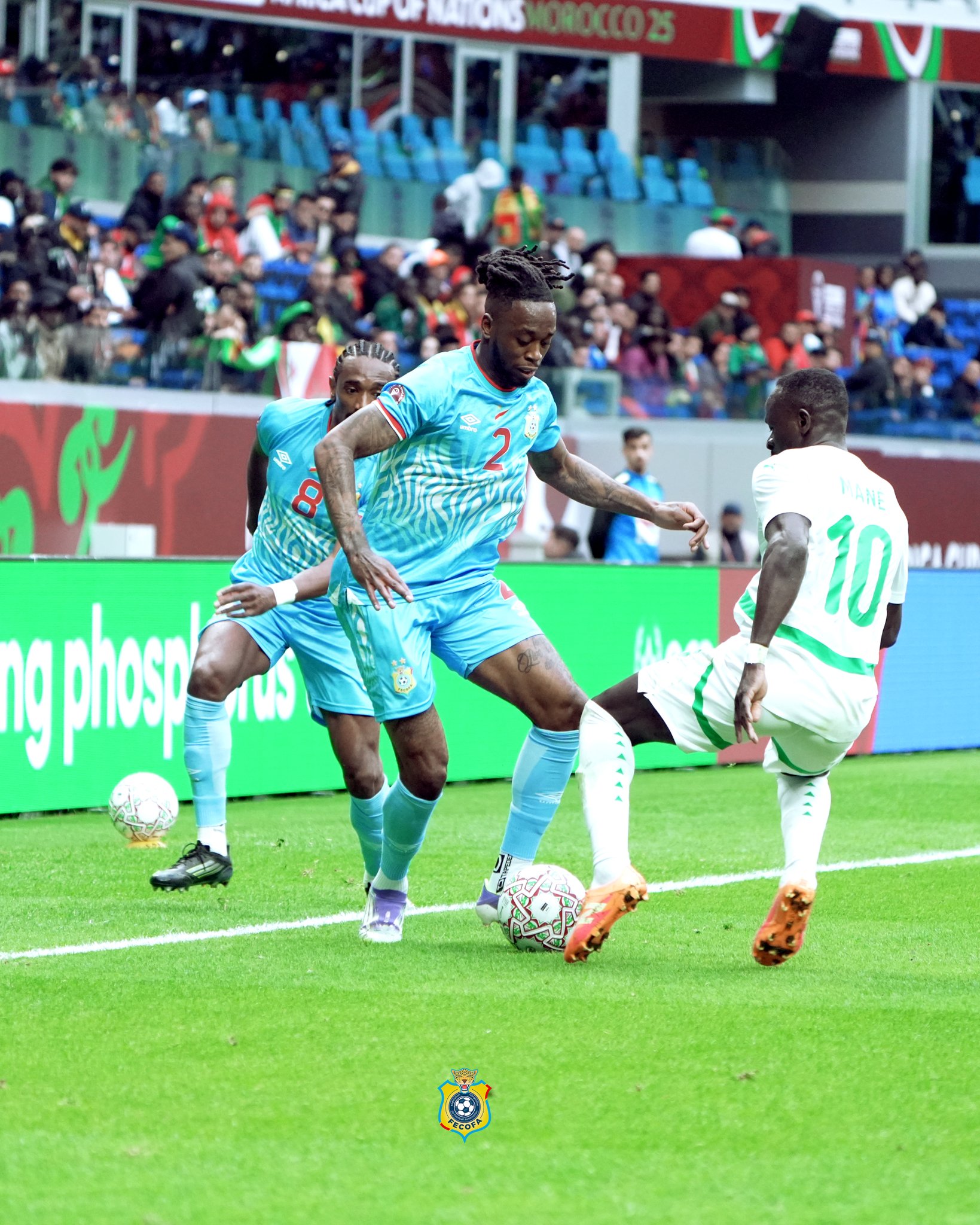
The West Ham defender recently opened up to the BBC about this journey, explaining that he only wanted to join when he felt mentally and professionally ready to give 100% to the Leopards.
For years, he held out for an England call-up, but the DRC’s persistence, and their presence in his South London neighborhood, eventually won him over.
“It’s my country, where my parents come from. I grew up in a Congolese household, and I’m proud to represent it,” he told the BBC.
The country has also moved away from joyrider recruits.
Take, for example, Newcastle United’s Yoane Wissa.
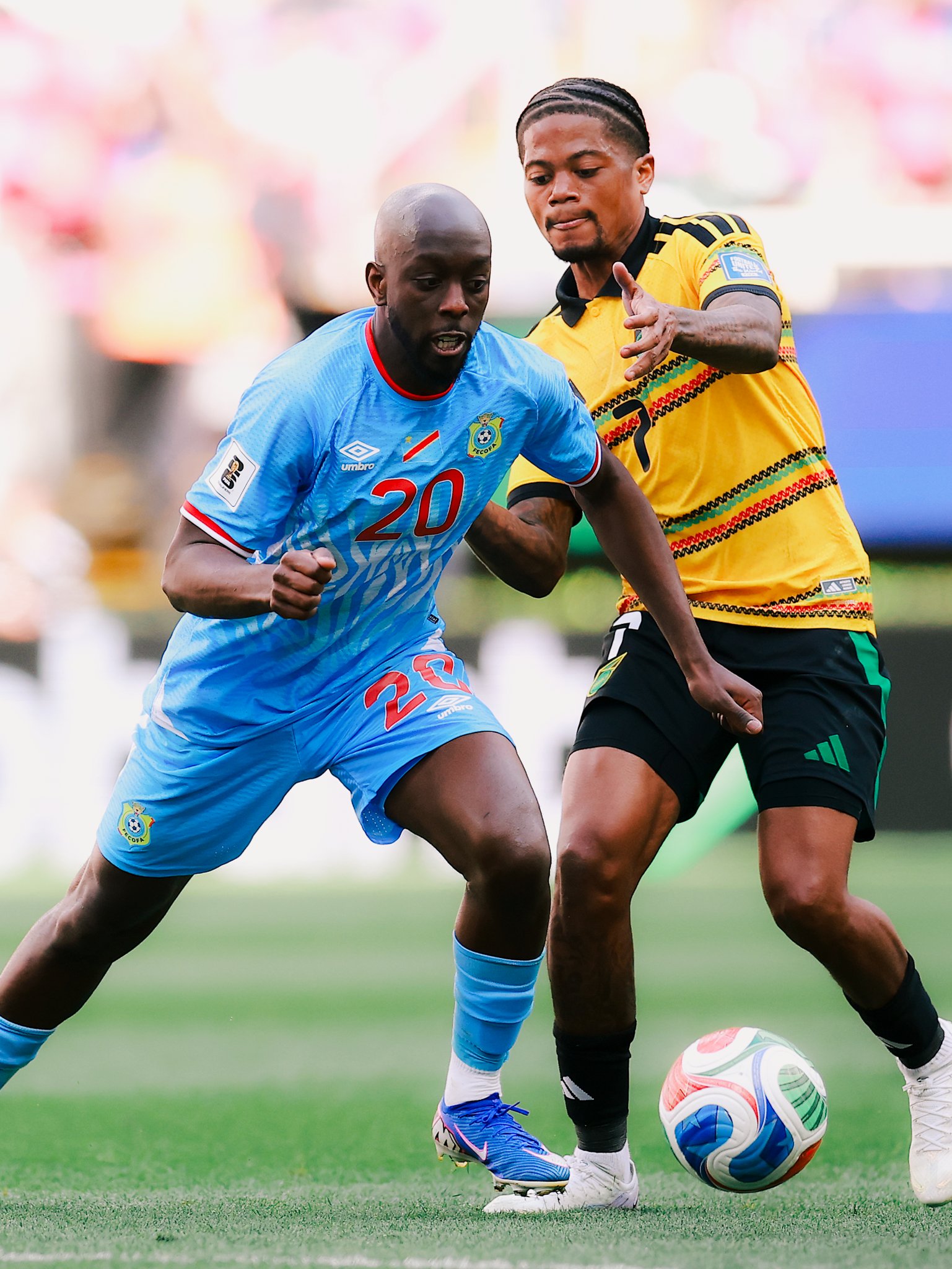
In 2022, instead of heading to a luxury resort in Dubai or Ibiza, Wissa spent his vacation in Goma — a region often associated with conflict.
This gesture transformed him into a folk hero.
When players see a Premier League star walking the streets of Goma, the weak structures back home matter less than the collective pride.
This is a lesson for Kenya, recruitment isn’t just about the player; it’s about making the player an ambassador for the country’s spirit.
Foreign-born v locals
This success brings up a controversial point facing many African nations: the “Glory Hunter” tag.
There is often tension when diaspora players only commit after a team has already done the hard work of qualifying.
The recruitment path is rarely smooth.
For every success like Axel Tuanzebe, there are those who remain out of reach.
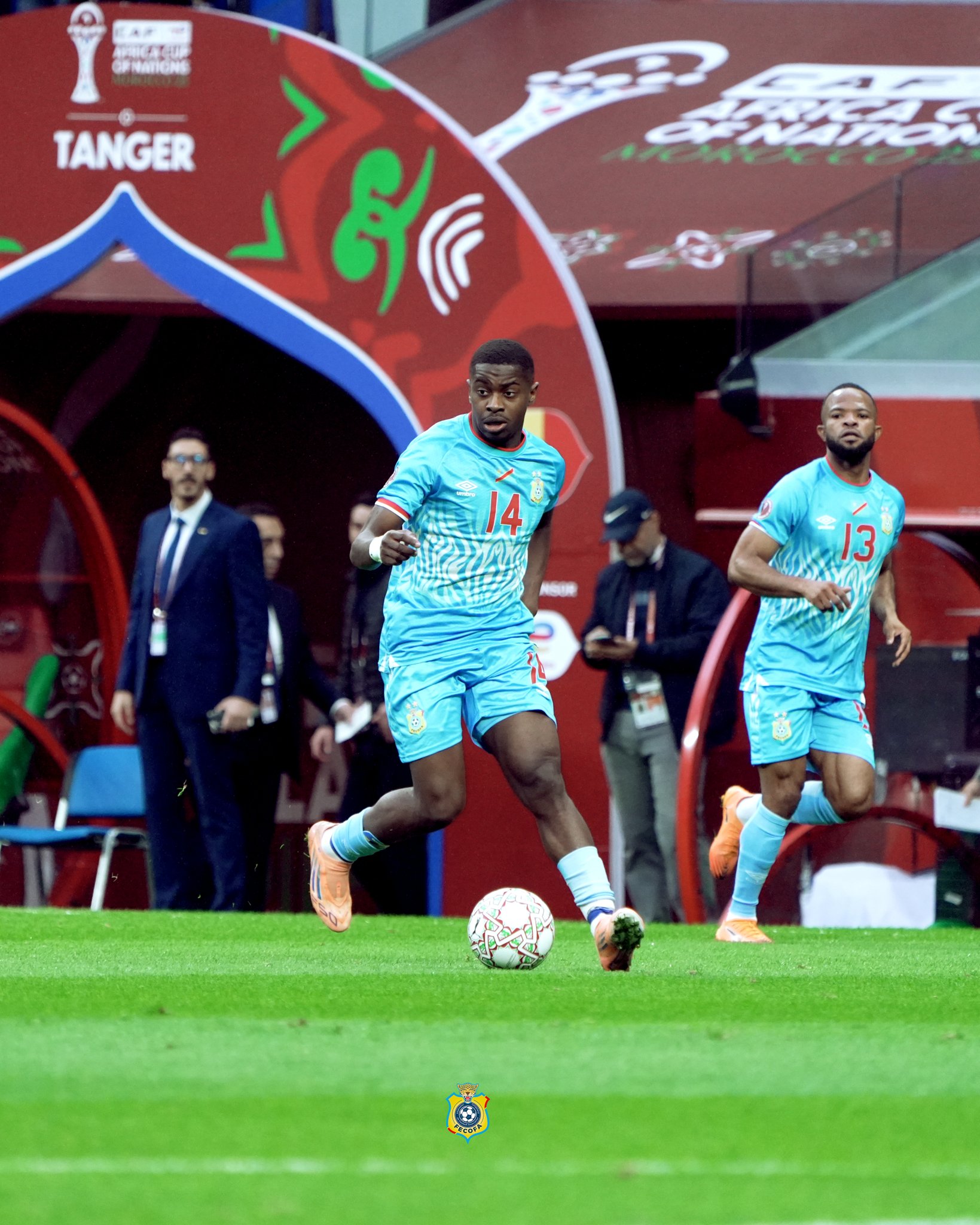
High-profile stars like Sunderland defender Nordi Mukiele, Christopher Nkunku of AC Milan and former Paris St Germaine’s (PSG) player Randal Kolo Muani, all have DRC roots but chose to represent France.
However, the pipeline is far from exhausted.
Reports suggest that Leicester City’s Stephy Mavididi has recently expressed interest in a switch, though he faces a backlash from fans who worry about “glory hunters” joining only after the heavy lifting is done.
Others, like young sensation Jorthy Mokio, remain the subject of intense living room diplomacy.
The challenge for coaches like McCarthy is ensuring that these late arrivals don’t disrupt the chemistry of the local heroes who did the heavy lifting in the early qualification rounds.
The New Generation
DRC are not just looking at established stars but are also hunting for the next big thing before they even break into senior football.
The primary target in Manchester is Godwill Kukonki.
The towering 18-year-old defender, who has already trained with the Manchester United first team under Ruben Amorim, is a prime example of this academy hunt.
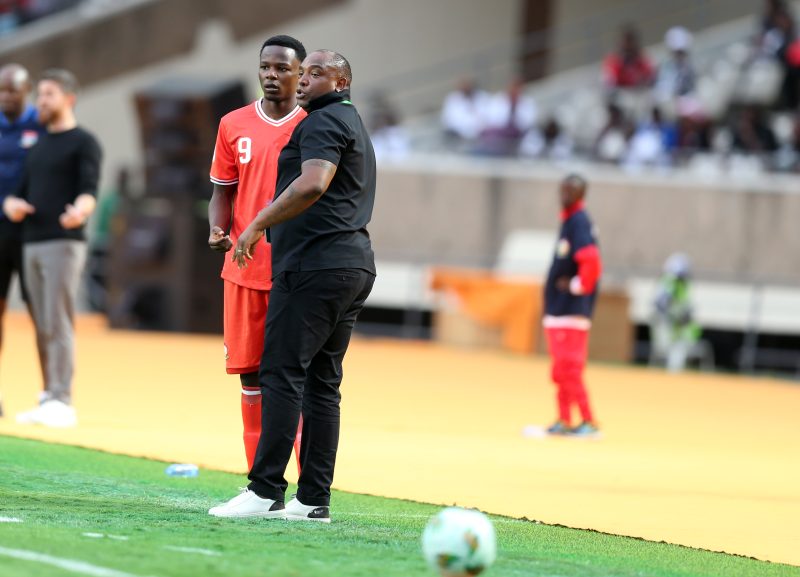
Born in Stoke-on-Trent but of Congolese descent, Kukonki has represented England at youth levels.
However, with the DRC now qualified to the World Cup, the allure of the Leopards has never been stronger.
Capturing a left-footed defender of his profile, often compared to Josko Gvardiol, would be a massive statement of intent for country’s future on the global stage.
Willy Kambwala is another youngster the DRC have been hunting.
Though the young center-back recently moved from Manchester United to Villarreal, he remains a symbol of the academy hunt.
Born in Kinshasa but raised in France, Kambwala represents the exact profile the DRC, and now Kenya, are desperate to lock in early.
Under Benni McCarthy and Football Kenya Federation (FKF) vice president McDonald Mariga, Kenya is finally adopting this proactive scouting-in-person model.
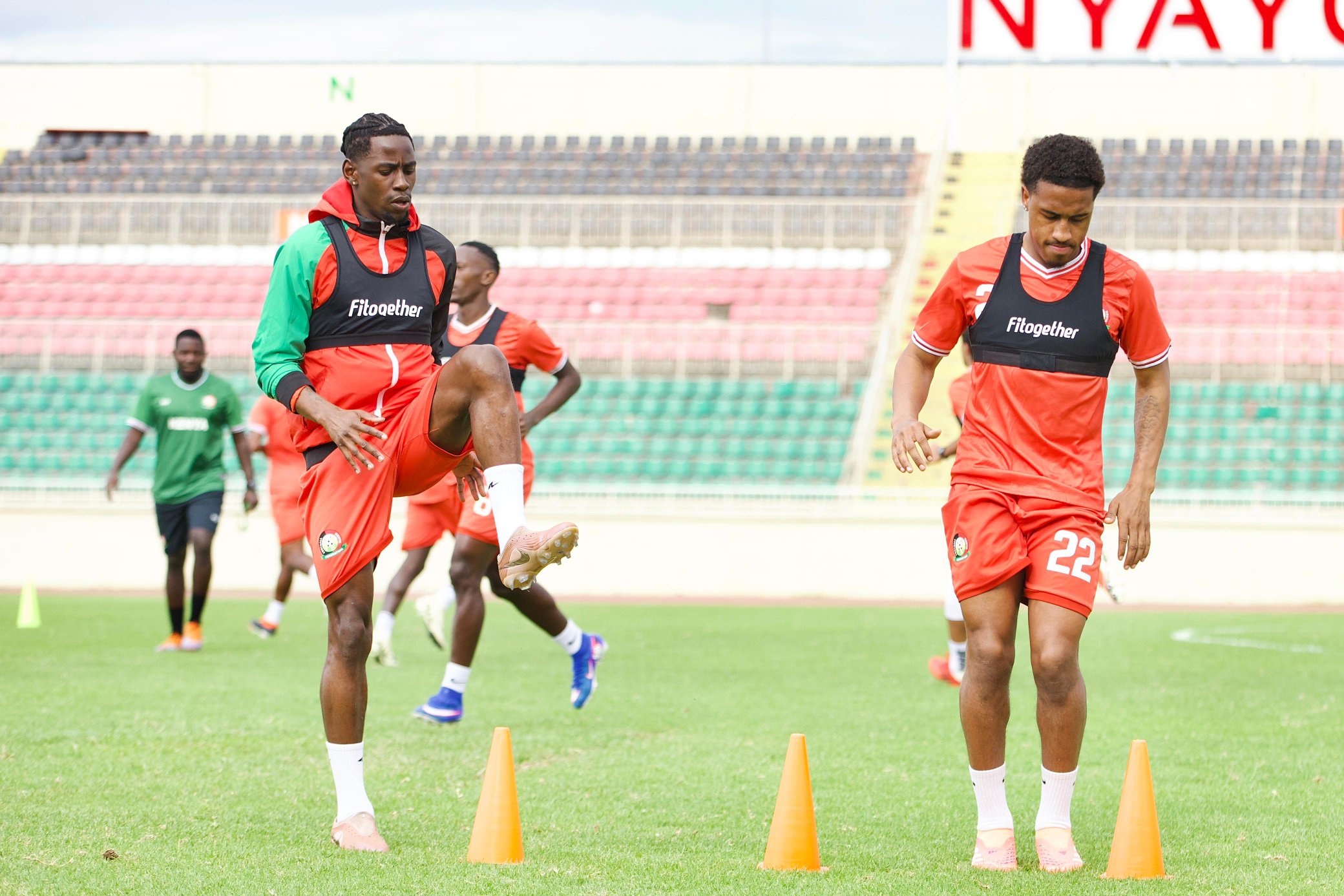
In the past one month or so, the two have been part of a contingent on a Europe-wide tour during which they meet several players with Kenyan roots in a bid to convince them of the Harambee Stars dream.
These players include Tranmere Rovers’ Zech Obiero, Grimsby Town’s Clarke Oduor, Wrexham’s Zak Vyner, Everton/Stockport’s Tyler Onyango, Andre Gitau, Leicester’s Silko Amari and Hull City’s Sammy Kamau.
Already, Obiero and Oduor have had their first run-out under McCarthy, Obiero scoring and assisting in last week’s matches against Estonia and Grenada at the Fifa Global Series in Kigali, Rwanda.
The blueprint is simple; don’t wait for a formal application but go to the player’s home and meet the parents.
The reality is success breeds success. The DRC’s qualification makes them a banker for future talent.
As the DRC celebrate their return to the world stage, they serve as proof that while infrastructure takes decades to build, a world-class team can be built in a London coffee shop.
If McCarthy can convince the “Kenyan Wan-Bissakas” that the Harambee Stars shirt carries a mission rather than just a match, Kenya’s own World Cup dream may be closer than it appears.