NAIROBI, Kenya, Nov 19 – Kenyan women 25pc less likely to access digital climate advice, report findsWomen in Kenya are up to 25 percent less likely than men to access digital climate advisory services, with limited access to mobile phones, literacy challenges and social barriers restricting their use of agricultural technologies, a new report by CGIAR has found.
The findings raise concerns over whether women farmers are benefiting equally from digital platforms increasingly used to deliver weather forecasts, climate information and agricultural advice.
The report noted that women face several barriers to accessing and using digital services, including lower ownership of mobile devices, limited digital literacy and social norms that influence how they interact with technology.
Globally, women are eight to nine percent less likely than men to own a mobile phone and about 14 percent less likely to use mobile internet, with the largest gaps reported in Asia and sub-Saharan Africa.
CGIAR warned that unless these inequalities are addressed, the growing use of digital technologies in agriculture could leave women behind despite their significant contribution to food production and rural livelihoods.
The report, titled Advancing Equality, Transforming Futures: A Path to Resilient and Productive Food, Land and Water Systems in 2050, said inclusive digital systems could lift about 30 million women out of extreme poverty and add approximately 1.5 trillion US dollars to the global economy by 2050.
However, it said these gains would depend on women’s ability to access, control and shape digital systems.
The report called on technology developers to involve women in designing and deploying emerging technologies, including artificial intelligence, while providing training to help them use the tools effectively.
Beyond digital access, women in agriculture continue to face challenges linked to limited land ownership, unpaid care and domestic work, restricted mobility and limited control over financial resources.
CGIAR warned that climate change could worsen some of these challenges, projecting that declining water availability could increase the time women spend collecting water by 30 percent.
The report also projects that more rural women will move into off-farm employment by 2050, creating opportunities in sectors such as retail, processing and logistics. However, it cautioned that the transition would not benefit all women equally.
It called for better working conditions, improved access to financial services and lower start-up costs to help women take advantage of employment and business opportunities both within and outside agriculture.
The report further recommended greater investment in women’s collectives and youth groups, as well as engagement with customary leaders to address social norms that perpetuate gender inequality.
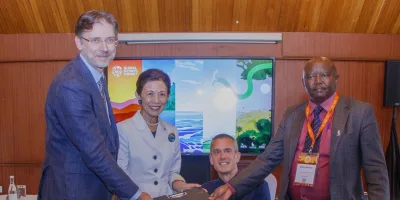
CGIAR Executive Managing Director Ismahane Elouafi said decisions made over the coming years would determine whether food, land and water systems become more equitable and resilient.
CGIAR GENDER Accelerator Director Nicoline de Haan said closing the gender gap required structural changes across food systems rather than isolated interventions.
She called for women to be positioned as leaders in shaping the future of agriculture and related sectors.