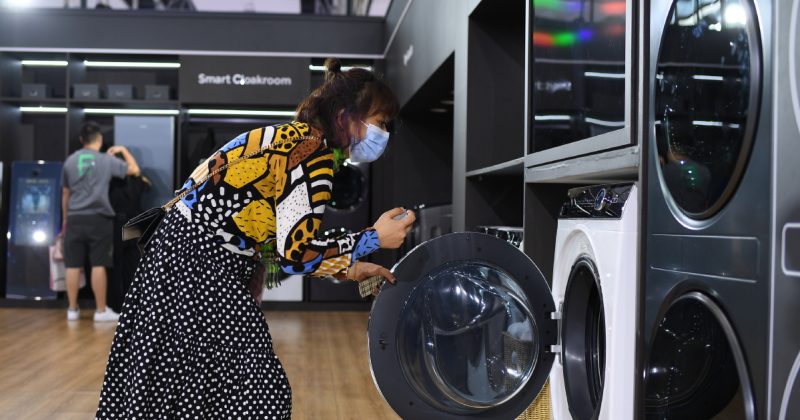
NAIROBI, Kenya, Feb 17 – The adoption of smart household appliances in Kenya is projected to grow significantly over the next five years, with penetration rates expected to rise from 2.8 percent in 2025 to 5.8 percent by 2029, according to recent consumer data from Statista.
This shift is driven by rapid advancements in artificial intelligence (AI) and the Internet of Things (IoT).
This shift is set to impact at least 831,700 households, marking a substantial transformation in home automation trends across the country.
According to Statistica, the increasing demand for convenience, energy efficiency, and advanced technological features is fueling the rise of smart appliances, which integrate internet connectivity and can be controlled via mobile applications or voice assistants.
Among the most sought-after products are refrigerators, washing machines, televisions, speakers, and air conditioning units, many of which offer temperature control, inventory tracking, and predictive maintenance alerts.
As these technologies become more affordable and accessible, consumers are expected to increasingly embrace smart home solutions, enabling remote management of household appliances for improved efficiency and reduced energy consumption.
A notable example of this trend is the LG InstaView refrigerator, which utilizes ThinQ technology to connect with users’ mobile devices.
This AI-powered feature allows users to monitor and optimize their appliance’s performance, sending notifications if the door is left open and offering settings such as ‘vacation mode’ to minimize power consumption.
“Over the last decade, we have seen a technological revolution that has greatly enhanced household appliances. LG has been at the forefront of these advancements, and we anticipate that our smart appliances will be in millions of Kenyan homes in the coming years,” said LG’s President for East Africa, Donghun Lee.
Beyond technological innovation, several factors are contributing to the expansion of the smart household appliance market.
Consumer-friendly financing options, government incentives for energy-efficient products, and the accelerated rollout of 5G technology across Kenya are all playing a role in making smart appliances more accessible to a broader demographic.
Industry analysts highlight that this steady growth aligns with broader trends in home automation, as consumers seek devices that not only enhance their quality of life but also contribute to sustainability and energy efficiency.