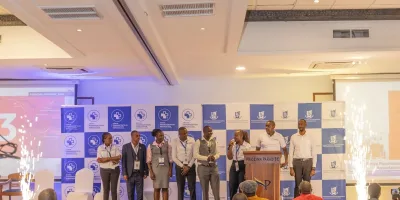
NAIROBI, Kenya, Mar 6 – Buy now, pay later company Aspira Kenya has unveiled a Sh3 million asset finance program for small businesses.
The Aspira’s Bizna facility will finance businesses for a maximum of twenty-four months at a two-percent monthly interest charge.
The capital will allow SMEs to purchase equipment such as tools, machinery, desks, and computers to drive productivity and expansion.
“Since we launched our operations in Kenya, Aspira has been an ardent supporter of Kenyans, enabling access to funding for them to thrive. I am pleased to witness another milestone with the emergence of the SME Bizna financing offering in Kenya,” Cim Financial Services Group CEO Mark van Beuningen said.
“It is well poised and will be opening up new avenues to equip this underserved market with the necessary tools SMEs need to prosper in an innovative environment,” the CEO said.
Aspira Kenya is a wholly owned subsidiary of Mauritius-based Cim Financial Services Group.
The startup says it will facilitate real-time access to funding through prompt 48-hour decisions across a 200+ partner network to serve the qualifying customers.
“Shouldering the SME sector is vital to safeguarding the current and future economic health of the Kenyan economy.”
“In order to ensure a robust business environment for SMEs, we must unlock their access to funding,” van Beuningen added.
In Kenya, 80 percent of employment stems from SMEs. As a result, this sector is establishing a new middle class and stimulating the demand for prospective goods and services.
Most SMEs fall under the informal sector, which is estimated to constitute 98 percent of businesses in Kenya, thus contributing to 30 percent of jobs and 3 percent of Kenya’s GDP.