NAIROBI, Kenya, Jun 18 – Amnesty International Kenya has welcomed recommendations contained in the Kenya National Commission on Human Rights (KNCHR) Reparations Framework calling for the review and possible termination of criminal cases against human rights defenders and protesters.
The rights organisation said the proposal, particularly for individuals facing terrorism-related charges linked to demonstrations, marks a significant step toward protecting constitutional freedoms and addressing long-standing concerns over the treatment of peaceful protesters.
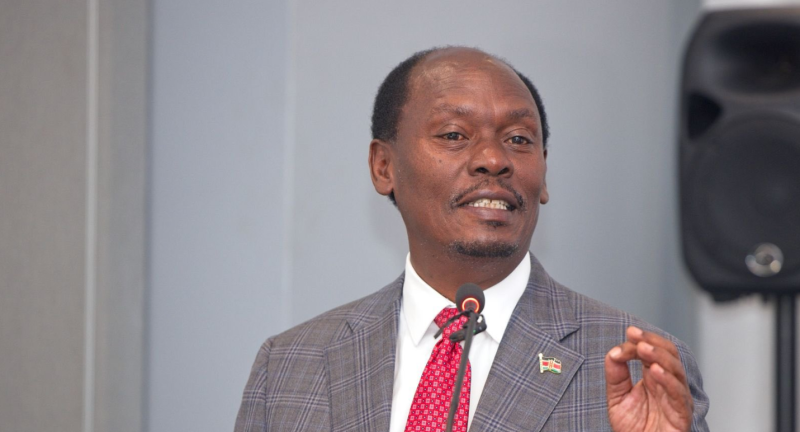
“Reparations cannot coexist with the continued criminalisation of peaceful assembly and dissent,” Amnesty International Kenya Executive Director George Morara said in a statement on Thursday.
The organisation was responding to the newly released KNCHR Framework for Reparations for Victims of Human Rights Violations, which seeks to address abuses linked to protests and other forms of State violence.
Amnesty described the framework as a major milestone in Kenya’s efforts to confront decades of human rights violations, including unlawful killings, torture, enforced disappearances, sexual violence and arbitrary arrests.
“The KNCHR framework offers a long overdue opportunity to confront these injustices through a victim-centred, rights-based programme,” Morara said.
The organisation particularly welcomed provisions stating that reparations are an independent right and should not depend on the conclusion of criminal, civil or disciplinary proceedings.
According to Amnesty, victims of abuse should not be forced to wait for years as accountability processes drag through the courts before receiving urgent assistance and compensation.
“Victims must not be forced to wait years for accountability processes before accessing urgent redress,” the organisation stated.
Amnesty said the recognition represents an important shift in Kenya’s transitional justice efforts, where many victims of State abuses have historically struggled to receive compensation or official acknowledgment.
The rights group also welcomed recommendations for a formal public apology by the State, saying such an apology should go beyond symbolism and include meaningful accountability and reforms.
According to the organisation, any apology must clearly acknowledge responsibility for violations committed and include guarantees against future abuses.
Amnesty further praised the framework for strengthening victim participation in reparations processes, saying survivors must be treated as rights-holders with a central role in shaping how justice mechanisms are designed and implemented.
“The framework also rightly strengthens victim participation, ensuring that victims are recognised as rights-holders who must shape the design, implementation, and monitoring of reparations,” the statement added.
The organisation also welcomed proposals introducing a lower evidentiary threshold for victims seeking compensation, noting that many survivors face difficulties obtaining official documentation because of intimidation, missing records or systemic failures.
Amnesty said the proposed reforms would improve access to justice for victims who have historically struggled to prove cases of abuse.
The organisation additionally supported the introduction of minimum compensation awards for different categories of violations while allowing adjustments depending on the severity and circumstances of each case.
Amnesty also praised the inclusion of memorialisation initiatives within the framework, saying they are essential in preserving historical truth and preventing denial of past abuses.
The rights organisation strongly backed recommendations addressing enforced disappearances and missing persons, including proposals for national legislation and Kenya’s ratification of the International Convention for the Protection of All Persons from Enforced Disappearance.
According to Amnesty, such measures are critical in helping affected families obtain truth, closure and legal recognition of their suffering.
Despite welcoming the framework, the organisation warned that its success would depend entirely on implementation, especially regarding accountability for security agencies accused of using excessive force during demonstrations.
Amnesty noted that more than 200 people have reportedly been killed during protests between 2024 and 2026, yet only a small number of cases have proceeded to court.
“While the framework represents progress, its success will be measured by implementation,” the organisation stated.
“Reparations alone cannot deliver justice. Accountability for police and security agencies remains the weakest link.”
The rights group urged the government to operationalise the framework by establishing a Reparations Fund, enacting comprehensive legislation and adopting a National Reparations Policy.
It also called for adequate funding to ensure victims receive timely compensation and support.
Amnesty stressed that reparations should be accompanied by credible criminal investigations and prosecutions to ensure perpetrators of abuses are held accountable.
“Victims and families deserve more than financial redress; they deserve truth, accountability and justice,” Morara said.
While acknowledging the importance of compensation, Amnesty maintained that financial payments alone cannot fully address the suffering endured by victims of State violence.
“No amount of compensation can restore lives lost, erase the trauma of torture, or undo the devastation of enforced disappearances,” the organisation said.
It called on authorities to ensure reparations are implemented alongside meaningful reforms and accountability measures aimed at preventing future violations.