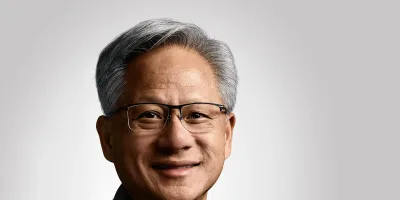
NAIROBI, Kenya, Mar 11 – George Maragia went to the United States of America (USA) to look for a better work opportunity.
In the USA, he got a job in the home luxury industry. Having worked in America for many years, he decided to come back home and invest.
However, he had not yet invested in his own home in the country.
So, every time he was in Kenya, he would stay in hotels, which were very expensive. His other alternative was to stay in furnished apartments.
A more attractive option was to book an Airbnb that was often fully booked and far away.
It was then that he saw a huge market gap that needed to be filled.
“In America, the Airbnb concept is widely adopted. Most entrepreneurs know that a traveller may want to spend about a month with his or her family, and in such a case, a hotel would be expensive, it would also not offer them privacy,” says Maragia.
Leveraging on his hospitality background, Maragia sought to start the Airbnb business in Kenya just as soon as he had settled back into the country.
He began by leasing an apartment in Lavington and another one in Kilimani. These locations were ideal because they were closer to the city centre.
He invested part of his savings into furnishing and decorating the apartments, and then listed these properties online under his brand, GeoMara Luxury Homes.
When he started out, the market was still very ripe, and he would charge a minimum of Sh10, 000 a night for a 3-bedroom apartment and still get customers.
The business was so good that he even managed to purchase the two apartments.
“In the long run, I knew this would be a good investment decision because leasing can also be very expensive and you find that at the end of the month, the money you made through your Airbnb is what you pay the landlord for leasing,” adds Maragia.
From Lavington, Karen, Westlands, and Kilimani, the GeoMara Luxury Homes brand would later expand its operations to other major towns like Mombasa, Kisumu, and Nakuru, where the demand for luxury Airbnbs was on the rise.
Occupancy rates would depend on the location and size of the property, as well as the season of booking and duration of staying.
Being a fairly new industry, Maragia, who is also the Airbnb ambassador in Kenya, says the Airbnb market was largely unregulated, and this was bound to be a problem.
A lot of people would operate without licenses.
Poor regulation also gave room for conmen, who would post pictures of properties that either they didn’t own or were not actual properties, thereby creating situations where potential guests could lose their money.
“At times guests would make a reservation only to travel and find out that property did not exist. And without a regulator, there was no fall back or channels to follow up on complaints.”
He, however, notes that much has changed over the years and that the image of the industry has significantly changed to a more positive one.
He says that people are now embracing the Airbnb concept, and because of this, the opportunities in the market are so many.
Compared to other markets, Maragia says that a lot still remains to be done in the local Airbnb industry to make it more competitive.
For instance, the level of technological sophistication is still low.
“In Kenya, most people will book through word of mouth or make a phone call, but in more advanced economies such as the US, people will go directly through the app, look at the reviews, and after making a decision to book the place, they make a reservation,” he observes.