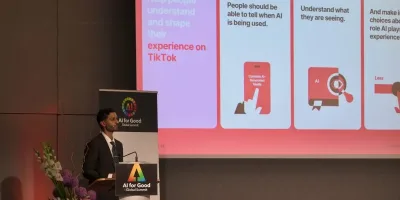
TikTok and the International Chamber of Commerce (ICC) today convened hundreds of small businesses, digital creators, entrepreneurs and industry representatives in Nairobi for the first flagship Digital Commerce Labs (DCL) community event. The event marked a milestone moment in the shared commitment to accelerating economic inclusion and digital skills development across Sub-Saharan Africa.
The event brought together small businesses, entrepreneurs, digital creators, business associations, government and industry representatives for a day of keynote lectures, programme showcases, creator spotlights and networking, all centred on one question: how can Kenyan small businesses harness the power of digital to grow, scale and build lasting impact?
The DCL community event marks the beginning of a broader initiative through which TikTok and ICC will train thousands of small businesses across Sub-Saharan Africa in digital commerce skills, delivered both online and offline. The partnership reflects TikTok’s commitment to the region’s economic priorities and its ambition to work alongside globally recognised institutions like ICC to place the growth of local businesses at the centre of the digital economy.
“Digital commerce is reshaping how businesses grow across Sub-Saharan Africa, and Kenyan entrepreneurs are at the heart of that shift,” said Kushal Prakash, Head, Global Institution Engagement, “Through our partnership with ICC, we are committed to making sure that the benefits of that transformation reach every small business owner in this region. We have seen how TikTok makes it easier for businesses to be discovered and influence purchase decisions through trends such as #TikTokMadeMeBuyIt. Social commerce has the power to unlock opportunities, level the playing field and equip Kenyan entrepreneurs with the tools to grow.”
Dr. Caroline Kaua , Director of Business Development, Marketing, and Trade at the Micro and Small Enterprises Authority (MSEA) added, “Micro, small and medium enterprises play an important role in Kenya’s economy, creating jobs, supporting livelihoods and driving entrepreneurship. As digital transformation continues to change how consumers discover and purchase products, it is important that our MSMEs have the skills and tools to adapt and take advantage of these changes. Initiatives such as the Digital Commerce Labs give entrepreneurs an opportunity to strengthen their online presence, reach new customers and explore new markets. Through partnerships between government and the private sector, we can help more Kenyan businesses make the most of the opportunities presented by the digital economy.”
The DCL programme is designed to equip entrepreneurs with the knowledge, tools and confidence to participate fully in an increasingly digital marketplace, helping them compete, scale and thrive on their own terms.
“Digital commerce is a powerful engine for inclusive growth. By equipping small businesses with the tools and skills they need to participate in the digital economy, we are opening new pathways for entrepreneurship, trade and job creation. With the Digital Commerce Labs, ICC is committed to ensuring that SMEs in Kenya can fully seize these opportunities and grow beyond their local markets.” Julian Kassum, Deputy Secretary General, ICC WBO
Kenya’s Growing Social Commerce Landscape and the Opportunity for MSMEs
The timing of the DCL launch could not be more significant. Kenya’s social commerce market is one of the fastest-growing in the world. A GSMA survey found that 49% of Kenyan businesses sell online exclusively through social media, with a further 13% combining social platforms with a website or marketplace.
Meanwhile, over 40% of internet users in Nigeria, Kenya and South Africa have already purchased through social commerce platforms. These figures point to an ecosystem in which the line between content and commerce has already blurred, and where the right skills and support can be genuinely transformative. However, making the most of this opportunity requires more than simply having a social media presence. Businesses also need the skills, knowledge and practical tools to convert online engagement into meaningful commercial growth. This is where initiatives such as the DCL can play an important role.
Inside the Digital Commerce Labs Programme
The Digital Commerce Labs offer a comprehensive, two-part learning experience designed to help Kenyan businesses harness the full potential of digital commerce. Starting in mid-November participants can access self-taught online modules — developed by local experts and covering topics from building a digital presence and creating effective content, to leveraging AI-driven e-commerce tools and preparing for both domestic and international growth.
Delivered in a mobile-first format through short, engaging lessons with interactive elements, the modules are tailored to the Kenyan market to ensure relevant, high-quality learning. From there, virtual classrooms will complement the online modules with live, trainer-led sessions that bring theory to life in a collaborative setting, helping Kenyan entrepreneurs and businesses explore real-world digital commerce growth opportunities.
Kenya’s Creator Economy Spotlight: Real stories, real growth
Building a business today increasingly involves more than having a good product or service. Entrepreneurs are also finding new ways to tell their brand stories, connect with customers and create visibility in an increasingly digital marketplace. TikTok is becoming part of this shift, offering businesses new ways to introduce their products, engage audiences and develop their brands.
Bringing this into focus, the Digital Commerce Labs launch featured a conversation with three Kenyan entrepreneurs who have incorporated digital platforms into their business journeys. The discussion brought together Cherie Kihato, founder of Savannah Space and TikTok 2026 Global Discover List creator, Alix, founder of Mammacita in Pink; and Emmy Rono, Executive Director of Urembo Craft.
Through their experiences, the entrepreneurs explored how they use digital content to communicate their brand identities, showcase their offerings and build connections with potential customers. Their perspectives highlighted the evolving skills required to run a business in the digital age, from understanding online audiences and developing engaging content to identifying new ways of reaching customers and creating business opportunities.