
NAIROBI, Kenya, Feb 13 – Valentine’s Day is more than just a celebration of love it’s a high-revenue opportunity for the hospitality industry.
Restaurants across the globe leverage the occasion by offering exclusive menus, creating immersive dining experiences, and curating romantic ambiances to entice couples willing to spend on memorable moments.
In Nairobi, premium dining establishments are capitalizing on this trend, with top hotels and restaurants pulling out all the stops to maximize customer spending.
At Radisson Blu Hotel Nairobi Upperhill, Executive Chef Wayne Walkinshaw has perfected the art of crafting an unforgettable Valentine’s dining experience—one that blends sensory appeal, strategic menu planning, and a touch of culinary psychology to drive sales and customer satisfaction.
Capital Business spoke with Walkinshaw about the business mechanics behind Valentine’s dining, the psychology of romantic meals, and how Nairobi’s evolving restaurant scene influences high-end Valentine’s offerings at Chophouse and Larder Restaurants.
Consumer Psychology and Dining Habits
Walkinshaw emphasizes that romantic dining goes beyond just high-quality food—it’s an emotional and psychological experience. “A perfect Valentine’s meal is about more than just great food—it’s a sensory experience,” he explains.
“Every element, from ambiance to ingredient selection, plays a role in making the evening unforgettable.”
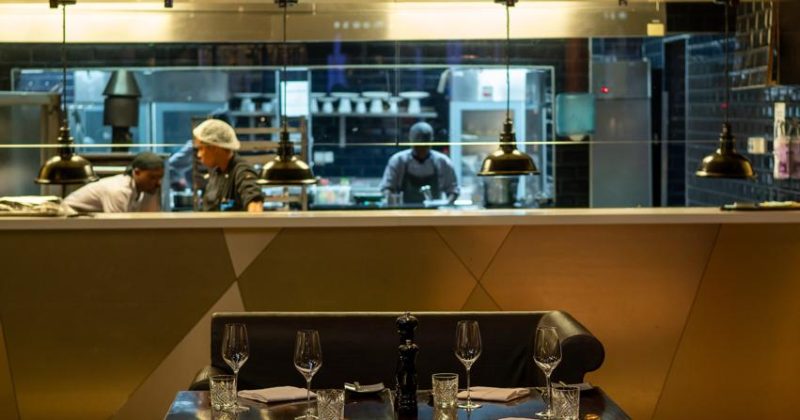
Restaurants carefully craft the setting to enhance intimacy.
“Studies show that sharing meals releases oxytocin, the ‘love hormone,’ which strengthens emotional bonds,” Walkinshaw notes.
However, modern dining habits—such as frequent phone use at the table—can diminish this effect.
That’s why venues like Chophouse and Larder focus on creating an atmosphere that encourages couples to stay present and engaged with each other.
Monetizing the Valentine’s Ambiance
Ambiance is a key factor in pricing strategy and customer satisfaction.
“Lighting and music play a massive role,” Walkinshaw says, referencing Journal of Consumer Psychology research that links dim lighting and soft instrumental music to enhanced romantic perception.
The right atmosphere allows restaurants to justify premium pricing, as consumers associate a well-curated setting with exclusivity and luxury.
The Role of Aphrodisiac Ingredients in Upselling MenusValentine’s menus frequently highlight ingredients linked to romance and attraction, a strategy that not only elevates the dining experience but also encourages higher spending.
“Chocolate, oysters, strawberries, and red wine have a long history as aphrodisiacs, and there’s real science behind their effects,” Walkinshaw explains.
“Chocolate, for instance, contains phenylethylamine, which is associated with pleasure and attraction. Oysters, rich in zinc, have been linked to libido boosts.”
Restaurants use these high-value ingredients strategically to offer specialty courses and premium-priced dishes, increasing revenue per table.
At Radisson Blu Nairobi, Valentine’s menu includes a crustacean station featuring prawns, known for their mood-enhancing omega-3 fatty acids—another example of how ingredient choices align with the business goal of maximizing sales.
Crafting a High-Value Menu Strategy
Balancing indulgence with customer satisfaction is a crucial part of Valentine’s dining success.
“We avoid meals that are too heavy but ensure guests leave feeling satisfied,” Walkinshaw says.
“Desserts, often the highlight, are designed to be visually stunning and indulgent—something guests will remember and share on social media.”
Beverage pairings also play a significant role in increasing restaurant revenue.
“The right wine or cocktail can elevate flavors and encourage guests to order additional courses,” Walkinshaw explains.
Sparkling rosé pairs well with desserts, while full-bodied reds like Cabernet Sauvignon complement rich meats, making these selections a profitable addition to the Valentine’s menu.
Nairobi’s Luxury Dining Scene and Valentine’s Spending Trends
The Nairobi fine dining market has evolved to cater to an increasingly discerning clientele.
“Nairobi’s dining culture is a fusion of global and local influences,” Walkinshaw notes.
At Chophouse, the focus is on international fine dining, while Larder integrates Kenyan flavors with premium ingredients like macadamia nuts, nutmeg, and custard apple—offering a distinctive edge in an increasingly competitive market.
Beyond food, experience-driven elements further justify premium pricing.
“Live music, impeccable service, and theatrical presentations—such as liquid nitrogen effects or sculpted fruit roses—create moments guests will talk about for years,” Walkinshaw explains.


