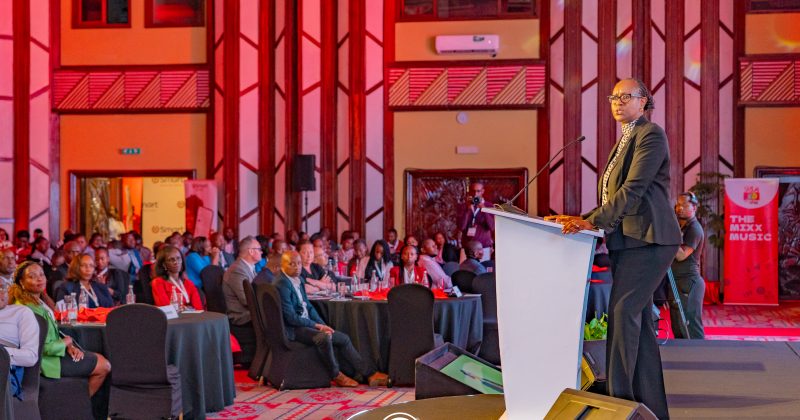
NAIROBI, Kenya, Mar 19 – AI and digital innovation have emerged as key solutions to strengthen Africa’s health systems during the fifth edition of the Smart Summit 2026.
Delegates speaking at the event asserted that technology, when combined with strong governance and collaboration, can improve healthcare delivery, reduce inefficiencies, and expand access across the continent.
As Kenya and the wider African continent seek to build resilient, accessible, and efficient healthcare systems, technology and artificial intelligence are being hailed as critical tools for transformation.

Robert Kirubi, Smart Applications International Group Chairman, underscored the need to incorporate scalable innovations through strategic partnerships,a factor he contends will ensure seamless solutions to digital healthcare challenges.
“Healthcare transformation is never the work of a single organization. It is a work of ecosystems built on trust, collaboration, and shared purpose,” he said.
The company’s Group MD Harrison Muiru highlighted the potential of technology to connect healthcare stakeholders and strengthen system accountability.
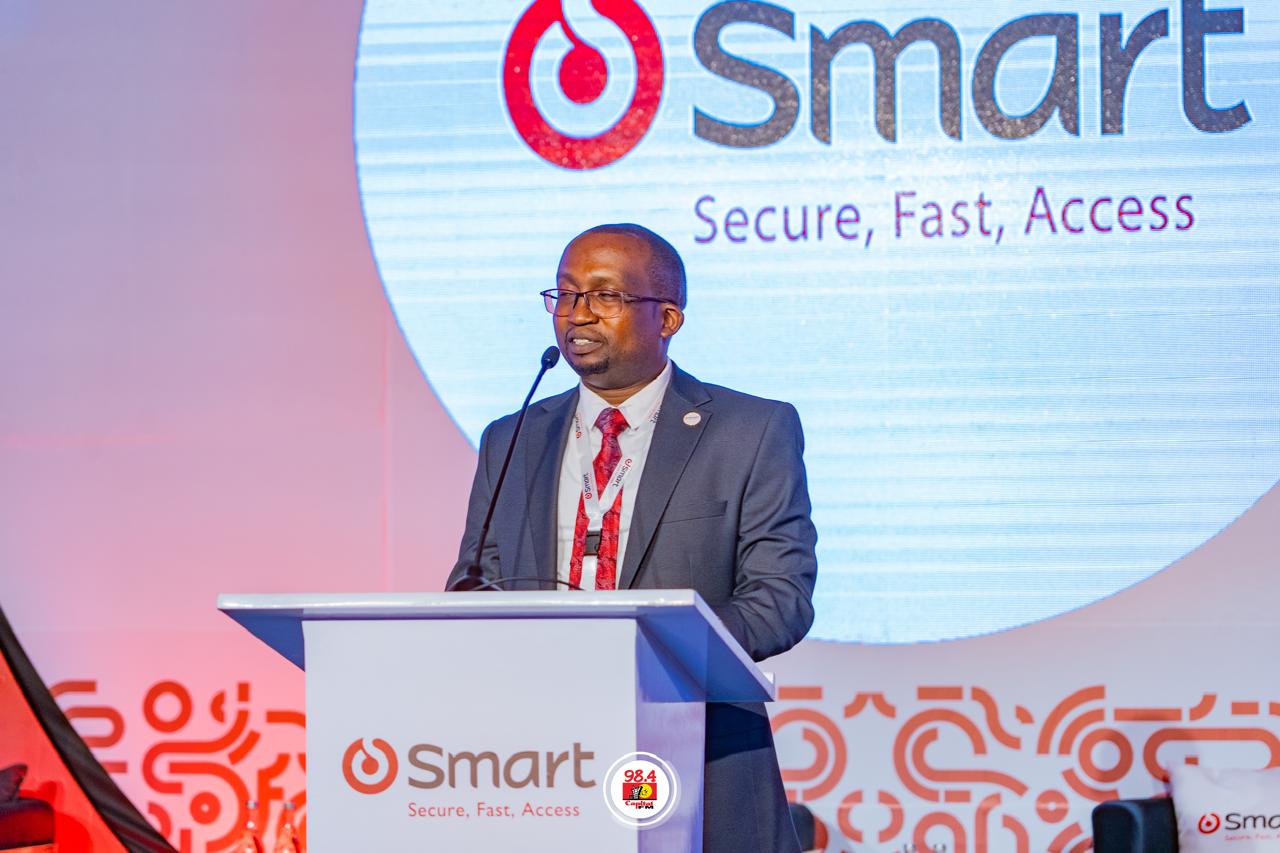
“Technology becomes transformative when it enables collaboration between sectors and institutions that historically worked in isolation,” he said.
“Today is about linking innovation with practical implementation and ensuring policy conversations are anchored in the realities faced by clinicians, administrators, and patients.”
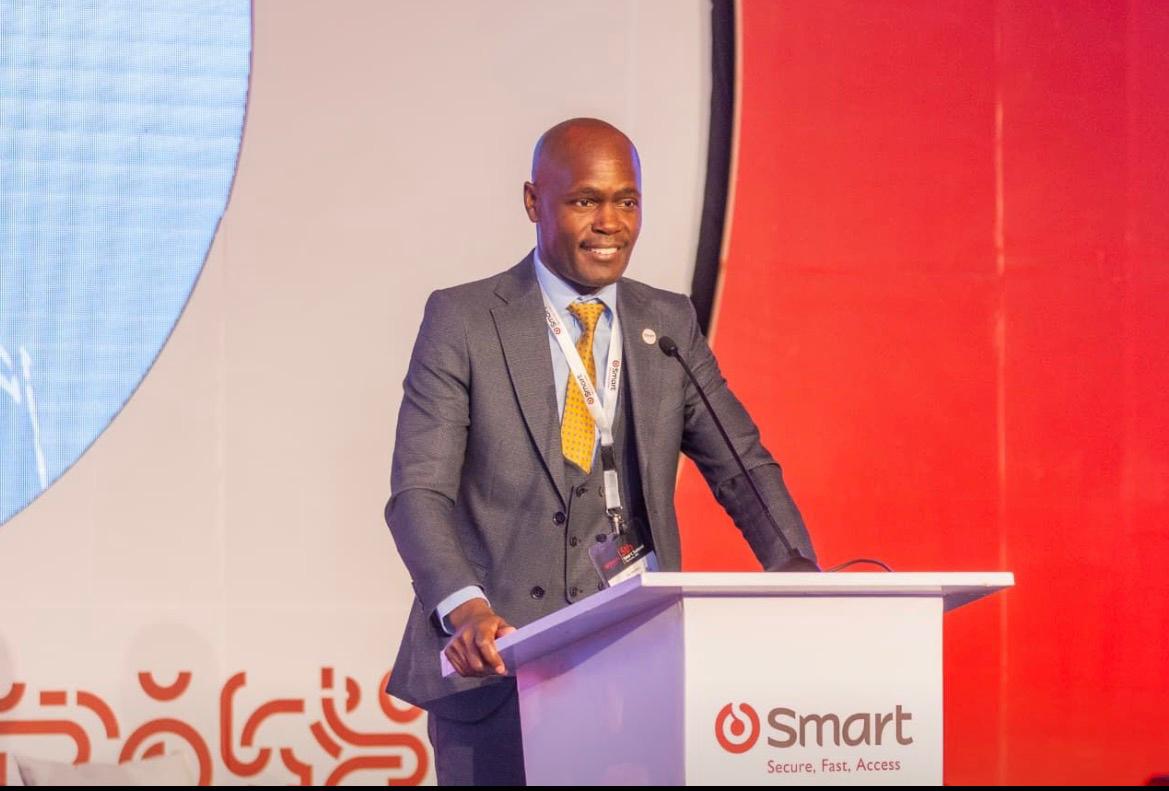
CEO of Smart Applications International Isaiah Mosiori emphasized the need for greater accountability and execution in transforming healthcare systems, noting that while conversations around innovation and AI have grown, tangible results will depend on how stakeholders translate ideas into action.
He challenged delegates to move beyond discussions and focus on identifying systemic gaps, aligning solutions with real-world challenges, and committing to measurable change across the healthcare ecosystem.
“By the time we leave this room, we should be clearer on what is not working in our healthcare systems, more honest about why it is not working, and more decisive about what we are prepared to do differently. If we cannot answer those questions with specificity, then we risk continuing a pattern that has held the sector back for far too long – well-articulated intentions with limited execution.”
Smart Applications International Board Chairman Andrew Musangi underscored the company’s pan-African footprint and measurable impact on healthcare efficiency.
“Smart today operates in 12 African countries, serving over 2 million people through more than 9,000 healthcare facilities,” he said.
“Our work is about improving experiences for patients, hospitals, and insurance schemes alike.”
The summit highlighted how AI-driven solutions have drastically reduced inefficiencies. Platforms now enable real-time patient verification, eligibility confirmation, and automated claims processing, ensuring funds reach healthcare delivery points without unnecessary delays.
Public Health PS Ouma Oluga noted persistent gaps in hospital access and financing, stressing that digital systems are essential to bridging these gaps.
“Many hospitals still hold patients for hours because claims are not yet approved. With digital systems, we can ensure that resources reach patients efficiently, and no one is turned away due to paperwork,” he said.
“Even as technology evolves, our work must place healthcare on a path of economic growth, creating jobs, attracting investment, and improving lives.”
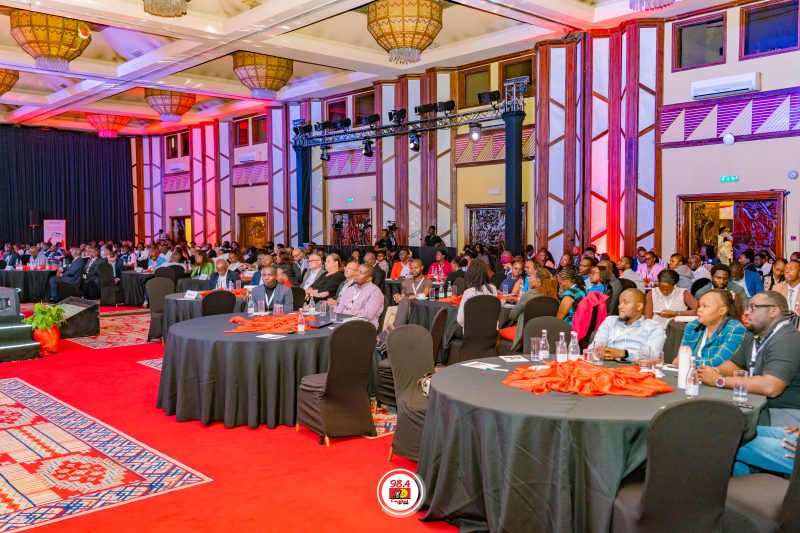
The summit explored how Kenya can harness AI to build scalable, affordable, and smart health systems.
Delegates emphasized that innovation must align with financial inclusion, workforce training, and robust system governance.
Smart’s approach also showcases the potential of data-driven insights in research, diagnostics, and preventive care.
By integrating patient information, claims data, and hospital operations into a centralized platform, healthcare providers can make faster, more informed decisions and reduce waste in the system.
According to the delegates,Africa’s health challenges require solutions that are not only technologically advanced but also culturally appropriate and sustainable.
The fifth Smart Summit brought together policymakers, innovators, healthcare providers, and private sector partners to explore practical solutions for scaling affordable digital health services.