NAIROBI, Kenya, Sep 12 — President William Ruto will launch a Sh1bn project to transition the country into a digital UPI-based national identity database on September 29.
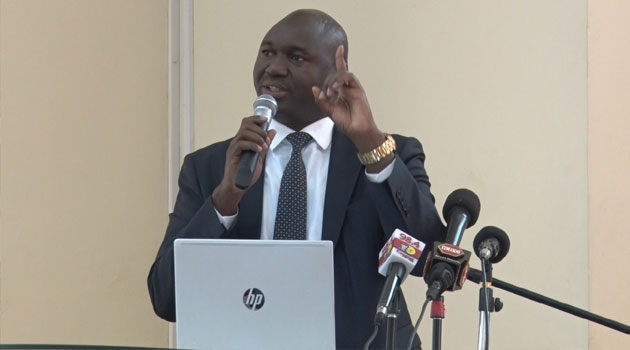
Citizen Services Principal Secretary Julius Bitok said on Tuesday the Unique Personal Identifier (UPI) to be anchored on a digital platform dubbed Maisha Number will replace the country’s second generation identity cards.
“The National Steering Committee for Digital Identity has approved the proposals made by the national digital identity technical committee to have a National digital ID implemented according to the directive issued by President William Ruto on June 30,” Bitok said.
He explained that the National Digital Identity has four components, UPI (Maisha Number), Maisha Card (a third generation ID card), Digital ID that could be linked to a mobile phone, and a National Master Population Register consisting all persons living in Kenya.
The Immigration PS said the technical committee is going to roll out activities towards implementation of national digital identity within the 90 days directed president.
Once assigned at birth, the Maisha Number will serve as a lifelong UPI, streamlining documentation processes throughout an individual’s lifetime.
“It will be a Unique Personal Identifier across the lifetime of someone that is why we are calling it the Maisha Number. It is a lifetime number from birth to death, for all documents that will be the number that will be used,” he said.
PS Bitok clarified that, unlike the Huduma Number, which required the collection of biometric data from the public, the Maisha Number will be generated using existing databases, including those from civil registration.
For those seeking ID replacements, the new cards will take the form of Maisha cards, with the government transitioning to third-generation cards moving forward.
September 30 cutoff
He said the government will cease issuance of second generation cards after September 30 with new applicants acquiring Maisha Number.
“For those turning 18 we will start immediately issuing them the Maisha Number. For those who have lost their ID’s, we are going to give them the new digital ID cards without necessarily starting afresh like Huduma Number,” the PS explained.
Bitok emphasized that the Maisha Number will feature a Machine-Readable Zone compliant with International Civil Aviation Organization (ICAO) standards.
This enhancement, according to PS Bitok, distinguishes the Maisha Card from its predecessor, the Huduma Card.
“In the Huduma Card we didn’t have the Machine-Readable zone. However, in Maisha Card, we are going to have that part captured and is a very important part according to ICAO standards and this a very different product all together,” he said.
The PS acknowledged that the project would require time for a comprehensive rollout, estimating a transition period of 2 to 3 years to fully implement the new IDs.
The government has already initiated discussions with various stakeholders, including civil society groups and the private sector, with plans to conduct extensive public participation to ensure the project’s success.
Bitok called upon all Kenyan citizens to collaborate with the government in embracing this digital transition, underscoring its pivotal role in advancing the nation’s development.
“This is a whole government project; we need everybody on board because identity issues are very important,” he added.
He expressed appreciation for the partnership between the government and the United Nations Development Programme (UNDP) in supporting the project’s implementation.