ISLAMABAD, Mar 29 – Iran has agreed to allow 20 Pakistani-flagged vessels to transit the Strait of Hormuz, in what Islamabad has called a meaningful step towards easing one of the worst energy crises in modern history.
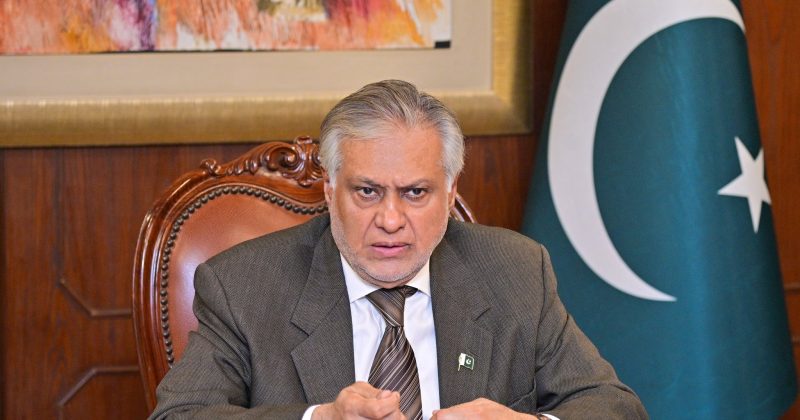
Ishaq Dar, Pakistan’s foreign minister, announced the move on Saturday, posting on X that two ships would cross daily under the arrangement.
He described Iran’s decision as “a harbinger of peace”, which could help restore stability to a region on the edge, hailing it as a “welcome and constructive gesture”.
Notably, he addressed his post directly to US Vice President JD Vance, Secretary of State Marco Rubio, US envoy Steve Witkoff and Iranian Minister of Foreign Affairs Abbas Araghchi, a signal that Islamabad, which is engaged in diplomatic efforts to end the war, views the deal as far more than a bilateral shipping agreement.
The strait has been effectively shut since the United States and Israel launched coordinated strikes on Iran on February 28, killing Supreme Leader Ali Khamenei and triggering a war that has killed about 2,000 Iranians and more than 1,100 people in Lebanon, and sent shockwaves through global markets.
“The Strait of Hormuz is not an oil chokepoint,” former Qatari minister Mohammed Al-Hashemi wrote in a column for Al Jazeera this week. “It is the aortic valve of globalised production – and like any valve, when it fails, the entire circulatory system collapses.”
Iran’s Islamic Revolutionary Guard Corps (IRGC) has, in the meantime, turned the strait into something resembling a checkpoint. Ships seeking passage must submit their cargo details, crew lists and destinations to IRGC-approved intermediaries, receive a clearance code, and be escorted through Iranian territorial waters.