NAIROBI, Kenya, Nove12 – Norway is backing Kenyan small and medium-sized enterprises (SMEs) through risk-sharing financing arrangements and business acceleration programmes aimed at expanding access to credit, particularly for businesses operating in the green and blue economies.
Through the Norwegian Agency for Development Cooperation (Norad), the Norwegian government is working with local financial institutions, incubators and accelerators to reduce lending risks and attract private investment into businesses that traditional lenders consider too risky.
One such arrangement with Equity Bank has enabled the lender to extend 1,500 new loans to Kenyan businesses operating in the blue economy, including fish farmers, fishermen and small-scale seafood processors.
Mehraz Rafat, Senior Adviser in Norad’s Department for Partnerships and Shared Prosperity, said the facility covers between 60 and 70 percent of potential lending losses, allowing the bank to increase its exposure to businesses that would otherwise struggle to access credit.
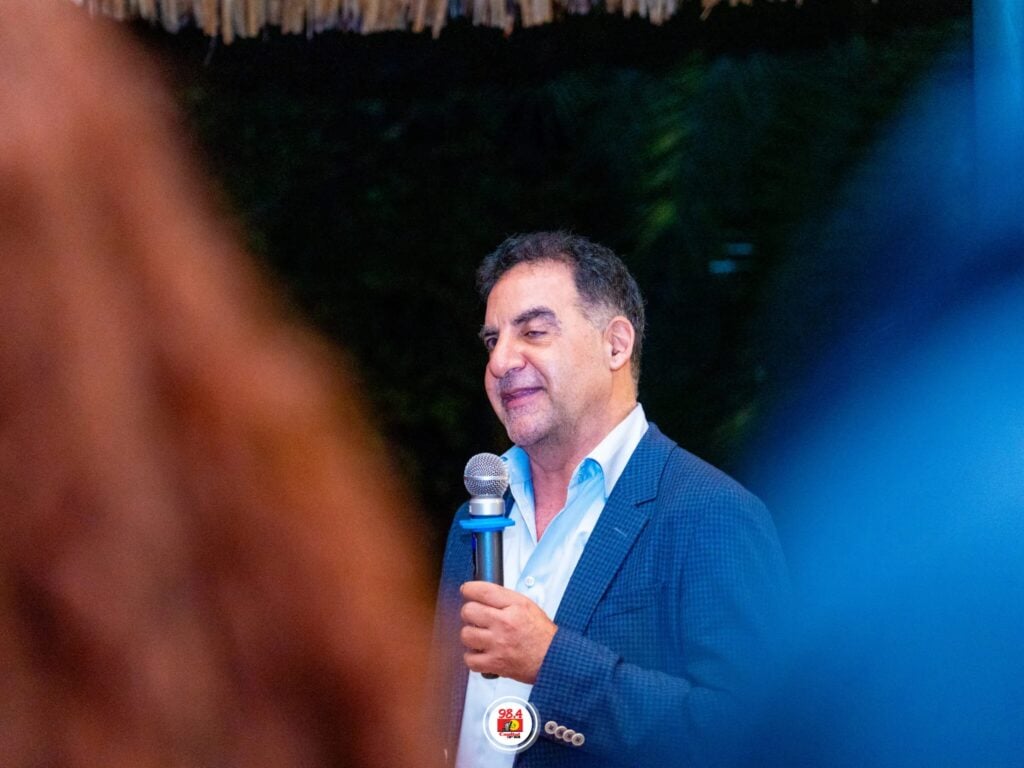
“Traditionally, banks were not giving a lot of loans to the blue economy because it was considered too risky.
“We established a risk-sharing facility where, if losses occur, we cover 60 or 70 percent while the bank takes on the remainder,” Rafat said.
According to Rafat, the arrangement helped Equity Bank issue 1,500 new SME loans to the sector last year, with each loan generating an average of two jobs.
The intervention forms part of a wider Norwegian programme launched in 2023 to bring African and international business incubators and accelerators into Kenya while improving financing opportunities for young entrepreneurs.
Norad committed approximately 600 million Norwegian kroner, equivalent to about USD65 million, in grants to participating organisations, which have subsequently mobilized additional private capital.
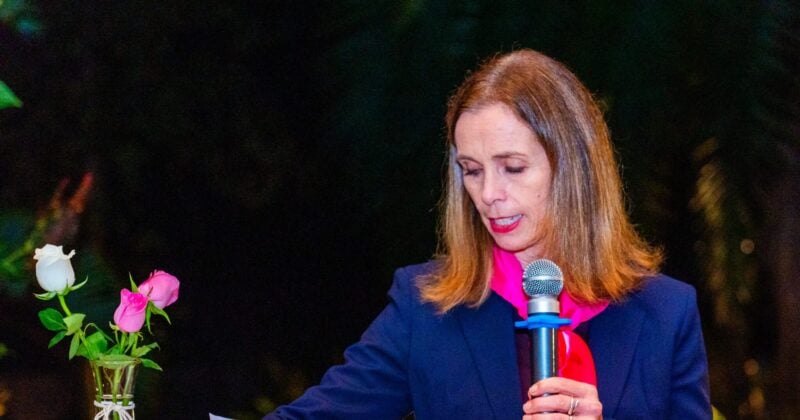
Norway’s Ambassador to Kenya, Siv Cathrine Moe, said supporting SMEs and expanding employment opportunities remained central to the bilateral development partnership.
“Creating jobs is really what Kenya needs, and this is a big priority for us.
“Job creation is an important priority in Norwegian development policy, and SMEs are an important part of that,” Moe said.
The programme is also supporting Kenyan businesses developing solutions for persons with disabilities, a market that remains heavily dependent on imported products.
Bernard Chiira, founder and chief executive of Assistive Technologies for Disability (AT4D) Trust, said its Innovate Now accelerator had supported more than 50 early-stage businesses since partnering with Norad in 2022.
The businesses are developing assistive products covering mobility, hearing and visual impairments, with some expanding into markets in the United Kingdom and Europe.
Chiira said local manufacturing and innovation could reduce dependence on imported products while creating commercial opportunities and improving economic participation among persons with disabilities.
Beyond Kenya, Norad estimates that its wider interventions have reached close to 5,000 SMEs through financing and business development support across different programmes.
The agency has also identified a financing shortfall of between USD330 billion and USD480 billion annually for African businesses, highlighting the scale of capital required to support enterprise growth across the continent.
Lucas Robinson of Renew Capital said conventional lending models alone would not close the gap, arguing that embedded finance, which integrates financing into products and services, could provide another channel for reaching underserved businesses.
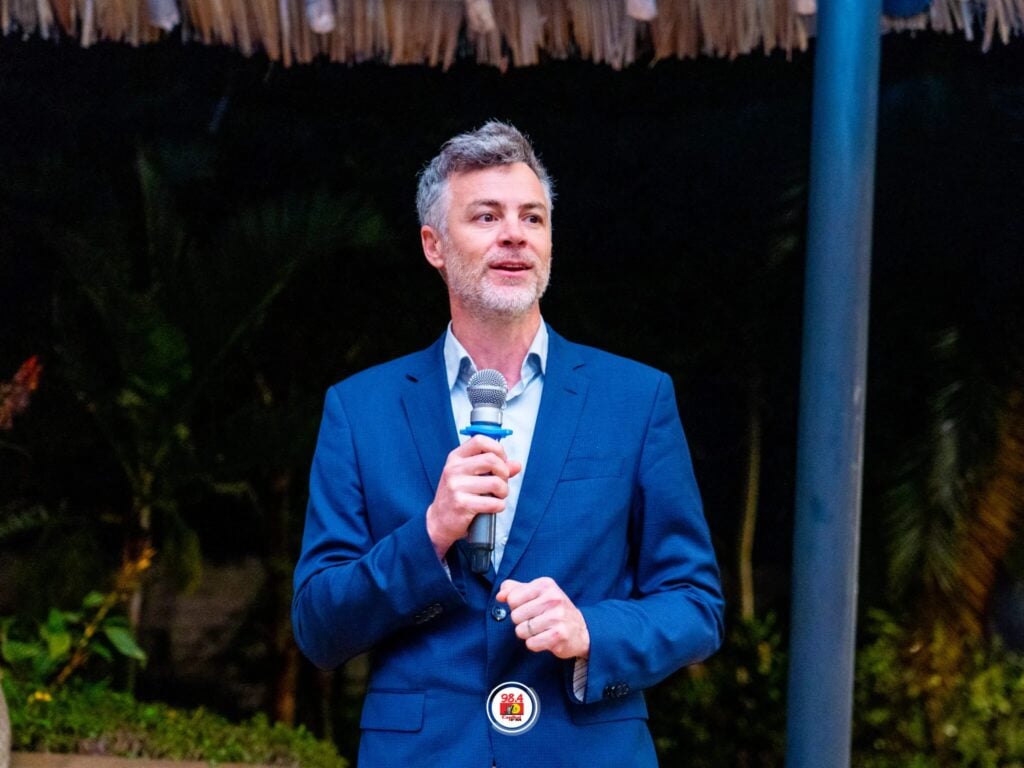
He said startups could play a bigger role in directing investment towards SMEs, particularly those operating in the green and blue economies.
The Norwegian approach seeks to use development assistance to absorb early-stage risks and attract commercial investors, reducing long-term dependence on donor funding.
However, the scale of financing mobilized and the number of businesses supported will ultimately need to translate into sustainable enterprises, affordable credit and employment beyond the period of development assistance.