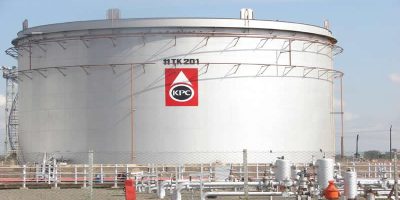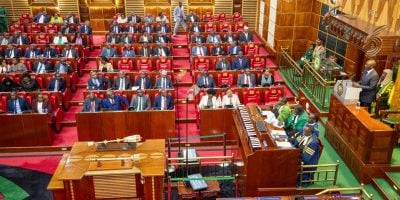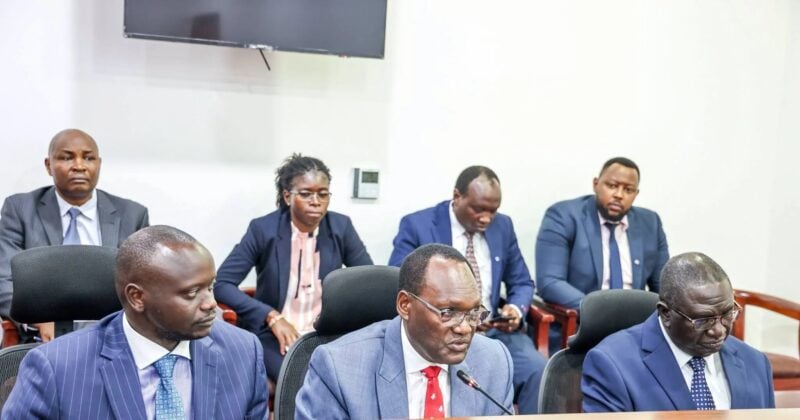
NAIROBI, Kenya, Nov 26 – The National Assembly’s Public Debt and Privatisation Committee has questioned the Treasury over the use of Sh103.54 billion raised from the sale of a 65 percent stake in the Kenya Pipeline Company (KPC), demanding assurances that the money will finance development projects.
The Committee also raised concerns over rising public debt, which stood at Sh13.532 trillion in September 2026, equivalent to 72.6 percent of Kenya’s Gross Domestic Product (GDP).
Appearing before the Committee on Wednesday, Treasury Principal Secretary Chris Kiptoo said the entire amount raised from the KPC initial public offering (IPO) had been transferred to the National Infrastructure Fund (NIF) account at the Central Bank of Kenya (CBK).
Kiptoo said the Government sold approximately 11.81 billion shares at Sh9 each between January 19 and February 24, 2026, reducing its stake in the company to 35 percent.
The offer raised net proceeds of Sh103.544 billion and was fully subscribed.
However, MPs questioned a Treasury presentation indicating that the proceeds could be used for development spending, settling pending bills or managing government liabilities.
Wajir East MP Aden Daudi said the money was expected to provide seed capital for the NIF, which was established to finance strategic infrastructure projects and attract additional investment.
“I am a bit confused. The presentation indicates that the proceeds will be utilised either for development expenditure, pending bills or liability management. I thought this money was going to the NIF, which was supposed to provide seed capital for development projects and help unlock more resources,” Daudi said.
He questioned whether settling pending bills was consistent with the National Infrastructure Fund Act, 2026.
Committee Chairperson Shurie Abdi Omar asked the Treasury to clarify whether its presentation reflected the actual use of the proceeds.
In response, Kiptoo said the full Sh103.54 billion had been transferred to the NIF account in line with Section 49 of the Act and had not been used to settle pending bills.
He added that the Fund, which operates under an independent board and chief executive officer, had invested the money in government securities earning returns of more than 10 percent.
Kiptoo said the Fund’s capital had since grown to Sh349 billion.
Public debt concerns
The Committee also questioned the Treasury over the country’s rising public debt, which stood at Sh13.532 trillion as of September 2026.
External debt accounted for Sh5.748 trillion, or 42.5 percent of the total, while domestic debt stood at Sh7.785 trillion, representing 57.5 percent.
MPs expressed concern that the debt-to-GDP ratio was projected to remain above 62 percent through 2030, despite the statutory debt anchor of 55 percent of GDP, with a margin of five percentage points above or below the target.
Shurie challenged the Treasury to provide a clear plan for reducing the debt ratio and bringing it within the legal threshold.
He said the Committee wanted to see a credible strategy for meeting the statutory target rather than an indication that the Government might fail to achieve it.
Kiptoo acknowledged that reaching the 55 percent target would be difficult under the prevailing fiscal pressures.
Government borrowing and revenue collection
The Treasury told the Committee that the Government had contracted 13 new external loans and issued a dual-tranche sovereign bond worth 2.2 billion dollars between January and October 2026.
The transactions raised a combined Sh651.24 billion for liability management and budget support.
Kinangop MP Zachary Kwenya called for greater scrutiny of revenue collection, saying public debt discussions should also consider how effectively the Government was raising revenue and the tax burden on citizens.
He proposed a public revenue dashboard that would allow Kenyans to monitor government collections in real time.
Kiptoo said Kenya Revenue Authority collections had improved in recent months, with monthly performance exceeding targets. He welcomed the proposal, adding that the Treasury already had the capacity to monitor revenue collections daily.
The Treasury said it planned to reduce the budget deficit from 5.5 percent to 3.6 percent over the medium term, while increasing the use of public-private partnerships and the NIF to finance capital projects.
The Committee also called on the Treasury to submit new external loan agreements to Parliament without delay to allow MPs to scrutinise government borrowing.