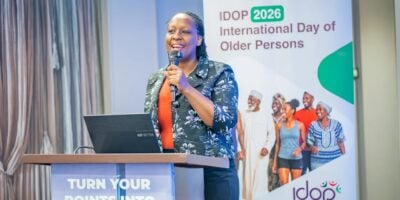
NAIROBI, Kenya, Sep 28 — Kenya will this week host its inaugural national celebration and conference on older persons, bringing together government, health professionals, researchers, civil society and younger generations to confront the growing demands of an ageing population.
The three-day International Day of Older Persons (IDOP Kenya 2026) programme, running from September 30 to October 2 at the Kenya Institute of Special Education (KISE) in Nairobi, will place healthy ageing, older persons’ rights, healthcare, social protection and long-term care at the centre of national discussions.
The conference comes as Kenya grapples with a demographic shift that officials say requires changes across the health, social protection, economic and community sectors.
Kenya’s 2019 Population and Housing Census recorded about 2.7 million people aged 60 and above, representing 5.7 per cent of the population.
Officials at a media briefing in Nairobi said the population is projected to grow substantially in the coming decades, with the number of older persons expected to be about 2.5 times the current level by 2050.
The conference is expected to bring together about 500 participants, while organisers have received 130 research abstracts examining issues including geriatric medicine, healthy ageing, long-term care and social protection.
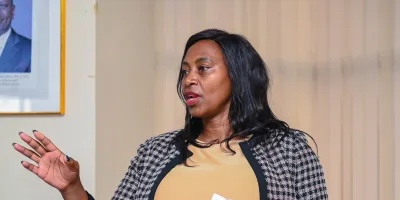
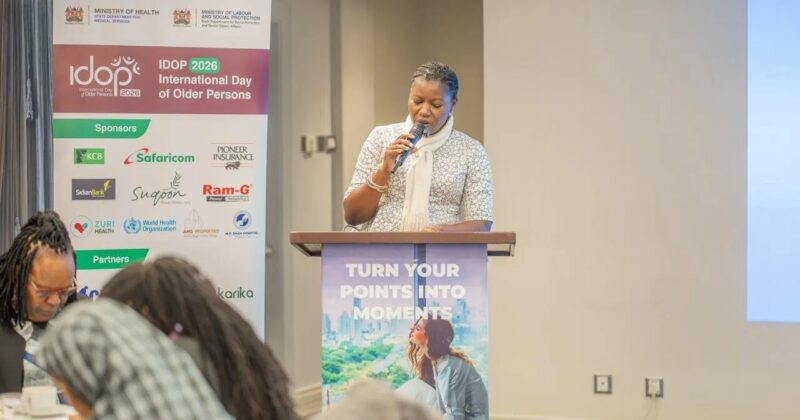
Julie Omolo, Assistant Director, Social Development at the State Department for Social Protection, said the conference is intended to generate evidence and dialogue that can inform how Kenya prepares for longer lives.
“Social protection cannot work in isolation. Healthy aging requires coordinated action across health, social protection, communities, economic systems, and care.”
She said the Government and its partners are also undertaking preparations for what she described as Kenya’s first comprehensive national ageing assessment, aimed at establishing the social and economic realities, healthcare requirements and income-security needs of older persons across the country.
From conference to county action
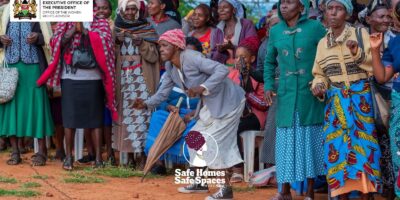
The national gathering will be followed by county-level activities on October 3, with more than 30 counties having confirmed medical camps targeting older persons and their caregivers.
Dr Peninah Ndonye, of the Ministry of Health’s State Department for Medical Services, and a Clinical Psychologist, said seven counties are being coordinated for dedicated activities, which will include medical screening, social protection outreach, rehabilitation, wellness activities and intergenerational forums.
Ndonye said the ageing agenda cannot be addressed by the health sector alone.
“The issues of older persons across it are not only a matter for the health department or the health ministry on social protection, or the ministry of labour. It is also cutting across even the other ministries like the Ministry of gender, Culture, and Trade.”
The county activities are also expected to bring caregivers into the conversation, with Ndonye highlighting the financial and psychological pressures faced by people caring for older relatives while continuing with work and other responsibilities.
“Then the question is, who cares for the caregivers? Who cares for these caregivers?”
Some counties have already begun activities. Ndonye cited Nandi County, which has conducted medical camps across six sub-counties targeting older persons and organised sporting and other activities.
Planned county programmes include cancer screening, rehabilitation, social protection services, football and volleyball matches, physical activities, traditional dances, choirs, tree planting and awards recognising older people who have made contributions to their communities.
Ageing stereotypes
The organisers are also seeking to change how ageing is discussed in Kenya, with experts warning against automatically associating old age with dependency, disability or incapacity.
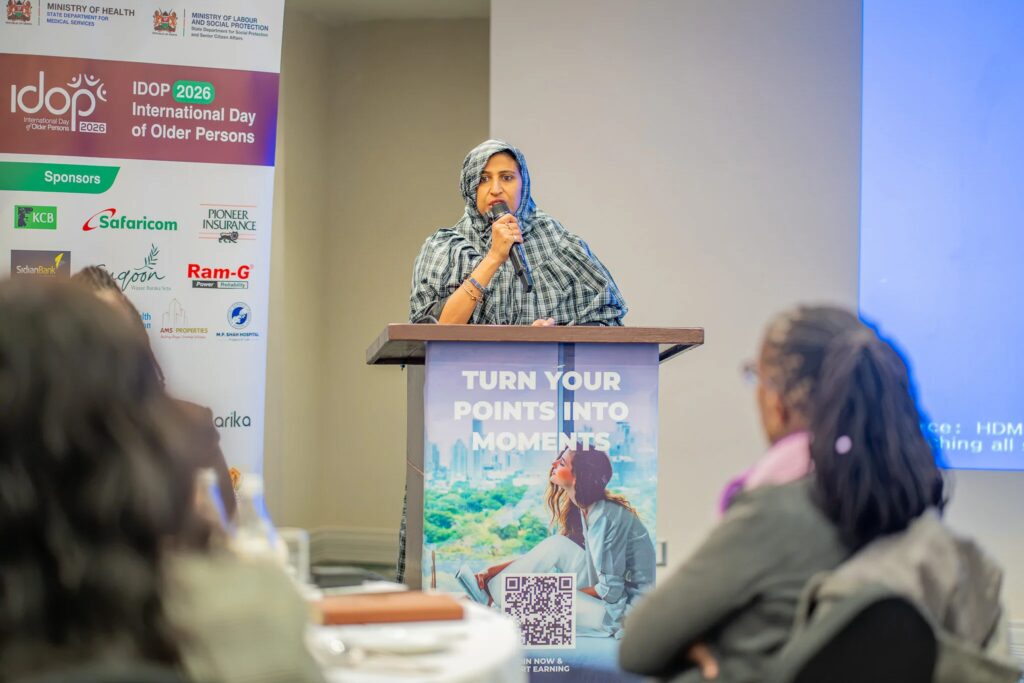
Dr Tasneem Yamani, Technical Advisor at Suqoon Kenya, said age alone tells little about an individual’s abilities or needs.
“Age does not remove somebody’s voice.”
Yamani, who is a geriatrician and healthy ageing expert, said older people continue to run businesses, farm, mentor, volunteer, care for relatives and preserve family and community knowledge.
She also cautioned against treating technological differences between generations as evidence of intellectual inability.
“Technological difference can easily be mistaken for intellectual inability. Slowness becomes incompetence.”
Yamani urged researchers to develop Kenyan evidence on ageing rather than relying entirely on models developed in other countries.
“We can’t implement what works in the other parts of the world here. We live our lives differently.”
Loneliness
The conference will also examine the social dimensions of ageing, including loneliness and the weakening of intergenerational links.
Omolo said the planned intergenerational village will bring younger and older Kenyans together to exchange experiences and knowledge.
She said older people possess knowledge and life experience that can be passed to younger generations, while younger people can help older persons navigate new technologies and changing systems.
The approach is intended to create spaces where older persons can participate directly in conversations about their lives rather than being represented solely by relatives, caregivers or institutions.
Insurance and pension coverage
The conference will also highlight retirement and income security as Kenya’s population ages.
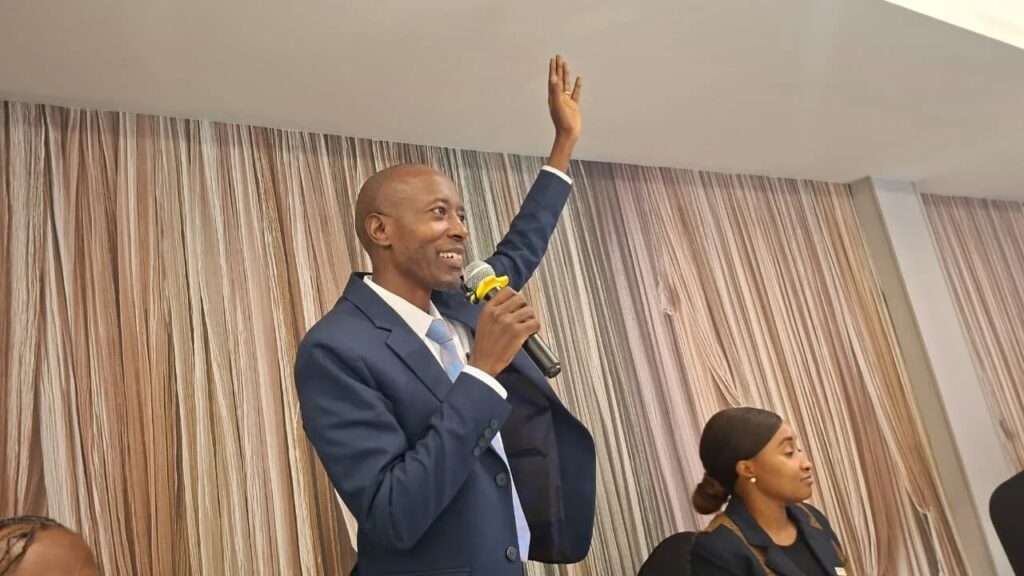
Maurice Omollo of the CPF Foundation and Pension Club said limited insurance and pension coverage leaves many older people vulnerable and urged Kenyans to plan for retirement and post-retirement healthcare much earlier in life.
He said the conversation on ageing should not focus only on people who are already old but also on younger workers preparing for longer lives.
He summarised the needs of older persons as:
“Older people require cash. The other one is care, and the third one is compassion.”
The conference organisers say the wider objective is to shift ageing from a welfare issue to a national development concern, recognising older persons as rights-holders and contributors while strengthening systems that support them.
For the Government, the inaugural conference is therefore expected to serve as a starting point for a broader national conversation on how Kenya will manage longer lives, from healthcare and income security to caregiving, community support and intergenerational relationships.
The IDOP Kenya 2026 programme will run from September 30 to October 2 at KISE in Nairobi, followed by county activations bringing health, social protection and community services closer to older persons.