NAIROBI, Kenya, Nov 26 – The Ethics and Anti-Corruption Commission (EACC) will establish a mechanism to share information with the media on the integrity and suitability of candidates seeking elective and appointive positions ahead of the 2027 General Election.
EACC Chairperson David Oginde said the initiative would enable journalists to scrutinise the backgrounds, credentials and conduct of political aspirants, allowing voters to make informed decisions beyond campaign promises and political alliances.
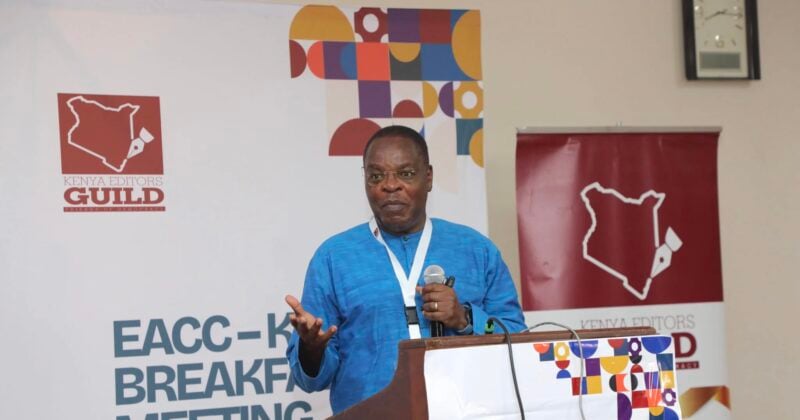
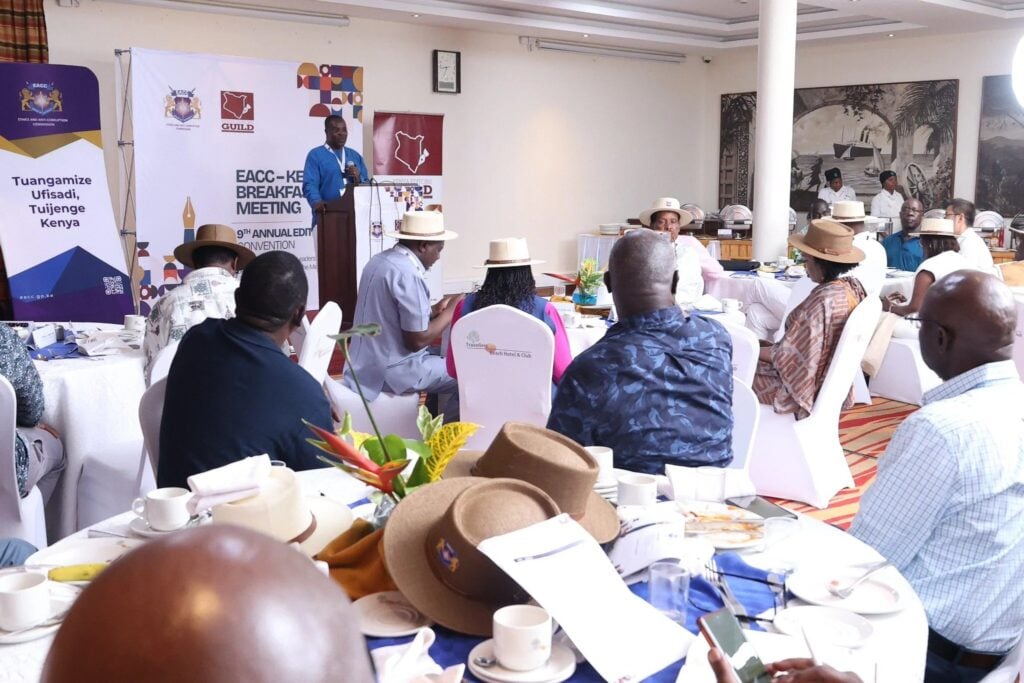
Speaking during the 9th Annual Editors Convention in Mombasa on Thursday, Oginde urged newsrooms to make integrity a central issue in election coverage, warning that the quality of leadership would partly depend on the information available to voters.
“EACC will put in place a mechanism to support the media with relevant information to enable informed public scrutiny of the integrity and suitability of those seeking elective and appointive positions in the 2027 electoral period,” he said.
Oginde said the Commission was seeking a partnership with the media that would allow journalists to independently interrogate public institutions while helping expose conduct that falls short of legal and ethical standards.
He challenged editors to move beyond the political spectacle of campaigns and investigate the track records of those seeking public office, particularly their handling of public resources, professional qualifications and honesty in public life.
The EACC chairperson singled out the use of forged academic and professional certificates by political aspirants, describing the practice as a serious integrity concern rather than a mere administrative offence.
“A person who is prepared to deceive the public about their qualifications raises legitimate questions about the trust that can be placed in them,” he said.
He called for sustained investigative reporting into questionable academic credentials, saying Kenyans deserved leaders whose qualifications were genuine.
Oginde also warned against voter bribery, saying the practice undermined citizens’ freedom to choose their leaders by turning democratic participation into a financial transaction.
He said the Commission would strengthen its monitoring and intelligence-led efforts to detect and investigate electoral bribery, adding that evidence gathered could also be relevant in the resolution of election disputes.
The EACC chairperson further cautioned public officers against using government vehicles, public funds, state employees and official government functions to advance individual political ambitions.
He reminded public officers intending to contest elective positions that they were required by law to resign at least six months before the General Election.
Oginde warned against situations where public officers formally resign but continue using government resources and influence to advance their political interests.
He also raised concern over the recruitment and exploitation of young people to intimidate political opponents, disrupt meetings and perpetrate violence during campaigns.
“Politicians who sponsor violence and intimidation must be held accountable,” he said, urging law enforcement agencies to take action against those found culpable.
Oginde cautioned media organisations against giving inflammatory political statements an unchallenged platform for the sake of attracting attention, urging editors to prioritise facts, evidence and public interest in their coverage.
He, however, emphasised that his appeal was not intended to discourage critical reporting or shield institutions from scrutiny.
“We need an independent media that is willing to ask difficult questions, including of institutions such as EACC,” he said.
He urged journalists to follow corruption cases beyond initial headlines, examine unexplained wealth and questionable public expenditure, and track how accountability institutions handle investigations and prosecutions.
The EACC chairperson also called for responsible reporting that distinguishes between allegations, ongoing investigations and proven wrongdoing to protect both the public’s right to information and the rights of individuals under scrutiny.
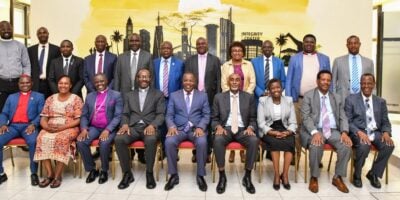
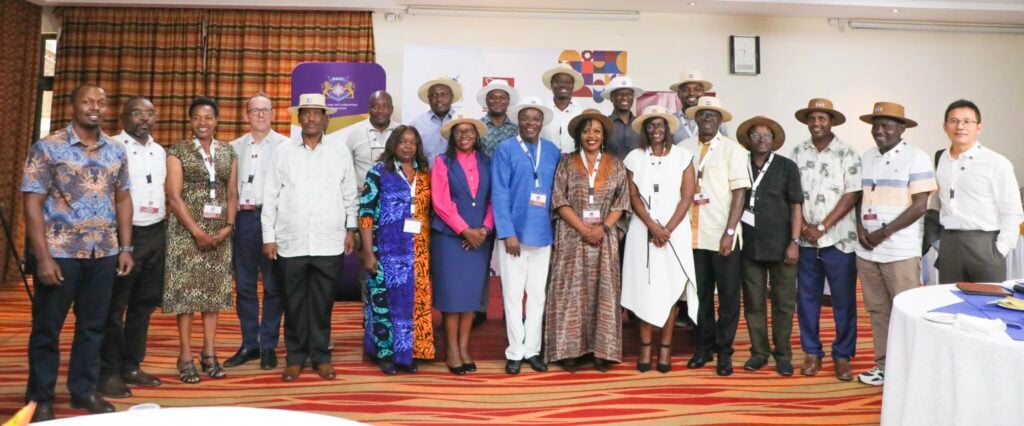
The engagement, held under the theme The Integrity Question: Leadership, Elections and the Place of the Media, brought together EACC officials and members of the Kenya Editors Guild during their 9th Annual Editors Convention.
Oginde said the Commission remained committed to strengthening its collaboration with the media in promoting ethical leadership and accountability as Kenya approaches the 2027 General Election.