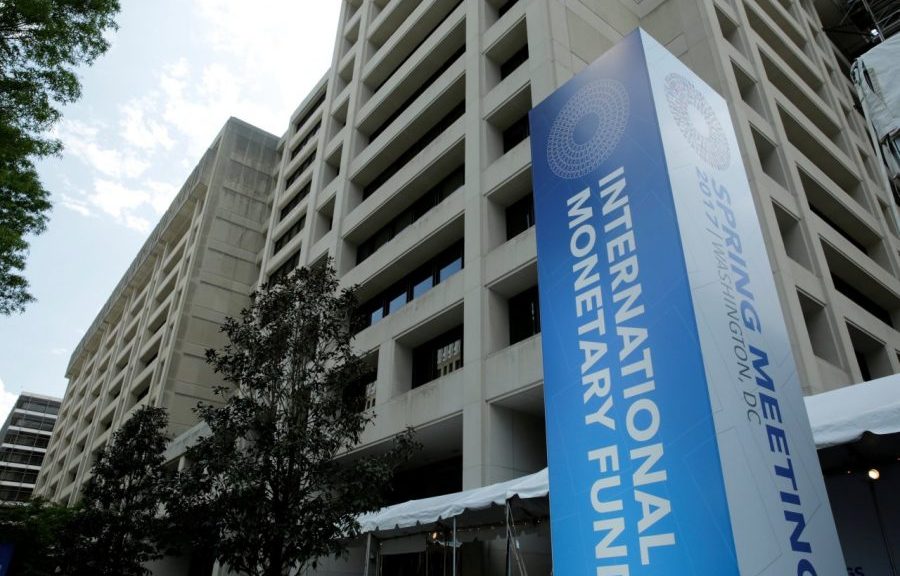
LONDON, United Kingdom, July 3 – Environmental campaigners protested Monday outside the London-based International Maritime Organization, which is meeting to discuss curbing carbon dioxide emissions from the high-polluting shipping sector.
Several dozen activists, including some dressed as jellyfish, demonstrated outside the headquarters of the UN’s global shipping regulator, as they urged greener freight to help tackle climate change and protect the oceans.
Protestors chanted “clean freight now” as they staged a colourful flashmob-style protest.
The hefty carbon footprint of global shipping networks will come under scrutiny at the event, as countries wrestle over measures to slash planet-heating pollution.
Participants are under pressure to agree ambitious emission reduction targets and consider a tax on pollution by the sector.
Shipping currently belches out roughly the same level of greenhouse gases as aviation.
The IMO’s Marine Environment Protection Commission (MEPC) meeting, held in British capital from Monday to Friday, is likely to pit climate-vulnerable nations — particularly Pacific islands — and richer countries against big exporters like China.
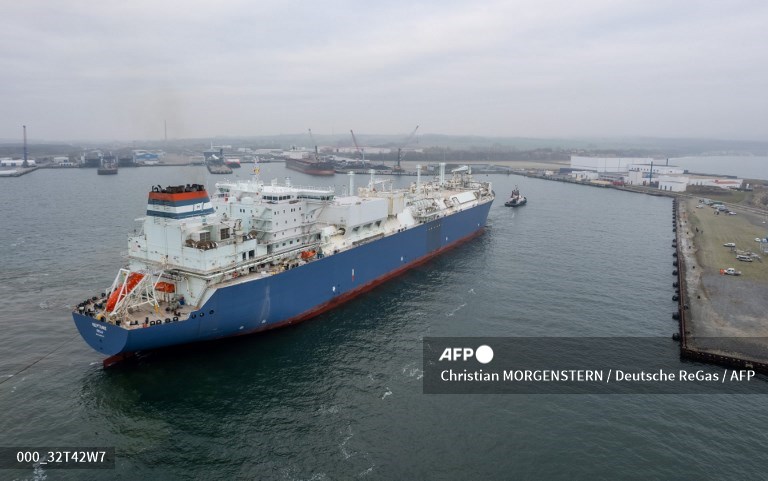
The vast majority of the world’s 100,000 cargo ships — which carry 90 percent of the world’s goods — are powered by high-polluting diesel.
Shipping, which is responsible for around two percent of global greenhouse gas emissions, is judged to be off course in the fight against climate change.
Efforts to decarbonise so far centre around a 2018 IMO decision that instructed shipping firms to reduce CO2 emissions by 50 percent by 2050, from 2008 levels.
But that target is considered insufficient given the level of global emissions and compared to other industries, including aviation, which is aiming for net zero by the same mid-century deadline.