NAIROBI, Kenya, Nov 7 – University students and other researchers could pay higher licensing fees under proposed changes to Kenya’s research regulations, which seek to increase annual collections by the National Commission for Science, Technology and Innovation (NACOSTI) from Sh53 million to Sh100 million.
The proposed Science, Technology and Innovation (Research Licensing) Amendment Regulations, 2026, have received support from the National Assembly Committee on Delegated Legislation, setting the stage for a review of fees that have remained unchanged since 2009.
However, committee members raised concerns about the impact of higher charges on students, warning that increased education and accommodation costs were already putting pressure on households.
Committee chairperson Samuel Chepkonga said the Government should consider students’ financial circumstances when reviewing the fees.
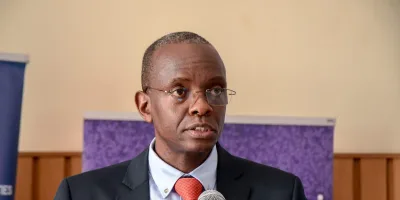
Principal Secretary for Science, Research and Innovation Shaukat Abdulrazak told the committee that the current charges no longer reflect changes in research and technology, including developments in artificial intelligence, biotechnology and genomics.
He said some fees, including the Sh100 charged for diploma-level research licences, were too low to support effective monitoring and regulation.
NACOSTI Chief Executive Officer David said the proposed changes would raise the commission’s annual revenue from about Sh53 million to Sh100 million, giving it more resources to oversee research activities.
The committee also raised concerns about how applicants such as partnerships and non-governmental organisations would be classified under the proposed fee structure.
Members further identified errors in the draft regulations, including duplicated entries in the diploma research licensing schedule. NACOSTI undertook to correct the inconsistencies.
Abdulrazak told the committee that Kenya currently spends 0.8 percent of its Gross Domestic Product on research and innovation, below the statutory target of 2 percent.
He said the country needed to strengthen local research capacity and reduce its reliance on imported technology.