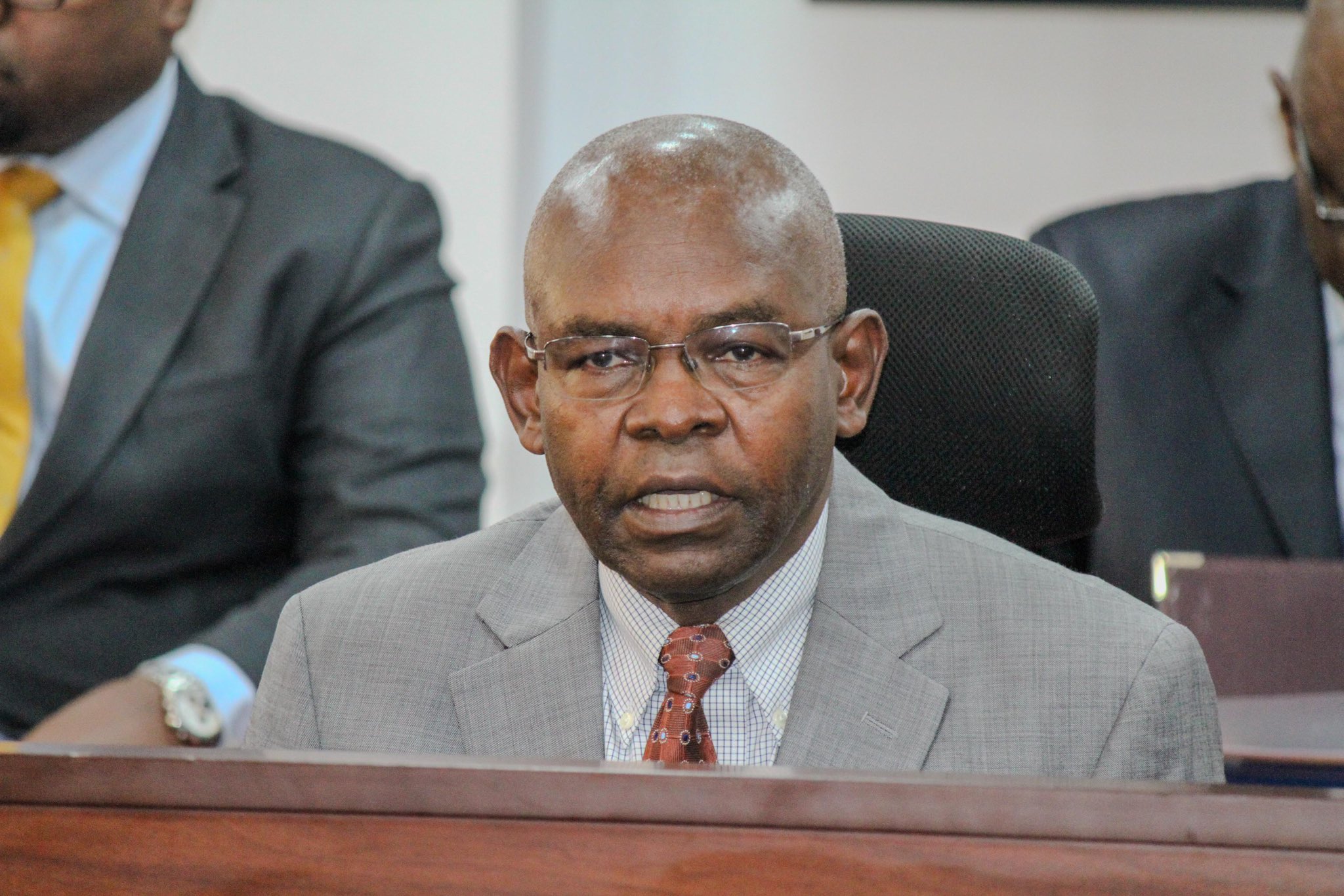
NAIROBI, Kenya, Aug 13 – Central Bank of Kenya (CBK) Governor Kamau Thugge says rising Treasury bill yields will not undermine the transmission of monetary policy to commercial bank lending rates.
Thugge said the alignment of the Kenya Shilling Overnight Interbank Average Rate (KESONIA) with the Central Bank Rate (CBR) has strengthened the link between the policy rate and commercial bank pricing.
The CBR currently stands at 8.75 percent, while the 91-day Treasury bill yield was 8.782 percent on August 10. KESONIA stood at 8.7502 percent on August 12.
Thugge said movements in the CBR should continue to be reflected in KESONIA and, in turn, commercial bank interest rates.
“I don’t think that this affects the transmission because of the way we are pricing what is now the convergence between the CBR and KESONIA,” he said during post-MPC meeting yesterday.
“When the time comes to either raise the CBR or lower the CBR, KESONIA will move in line with the CBR, and that will translate directly to either higher or lower commercial bank interest rates.”
The comments come as banks face pressure on their interest margins following a prolonged period of monetary easing.
CBK data shows the average lending rate fell to 14.38 percent in June, while the average deposit rate stood at 6.84 percent.
Thugge acknowledged that banks’ deposit costs have started rising but said lenders still have a profit margin, with the spread between lending and deposit rates remaining above seven percentage points compared with a historical average of about five percentage points.
The CBK narrowed the interest rate corridor around the CBR from 75 basis points to 50 basis points in February, a move aimed at improving monetary policy transmission and bringing KESONIA closer to the policy rate.
The new framework is also changing how banks price loans, with 47 percent of lenders using the CBR as their base rate and another 34 percent using a combination of the CBR and KESONIA.
However, Treasury bill yields remain a consideration for banks when deciding where to deploy funds, particularly as government securities offer relatively low-risk returns. This could affect private-sector lending as banks weigh lending to businesses and households against investing in government securities.
CBK has maintained that lower lending rates and stronger private-sector credit growth remain key objectives of its monetary easing cycle.