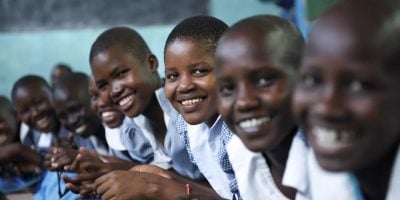
NAIROBI, Kenya, Nov 24 – Kenya’s push to teach coding and green skills in secondary school puts its young people ahead of much of Africa as the continent prepares the largest generation of workers the world has seen, a new report says.
The Mastercard Foundation report, Secondary Education in Africa: Expanding Pathways to Work, Livelihoods, and Lifelong Learning, was launched in Accra, Ghana, on Tuesday at a gathering attended by the ministers of education of Ghana, Liberia, Rwanda and Sierra Leone.
By 2035, more than 330 million young people in Sub-Saharan Africa will reach working age, more than in the rest of the world combined. Only 9 per cent go on to university or college, making secondary school the last stage of formal education for most.
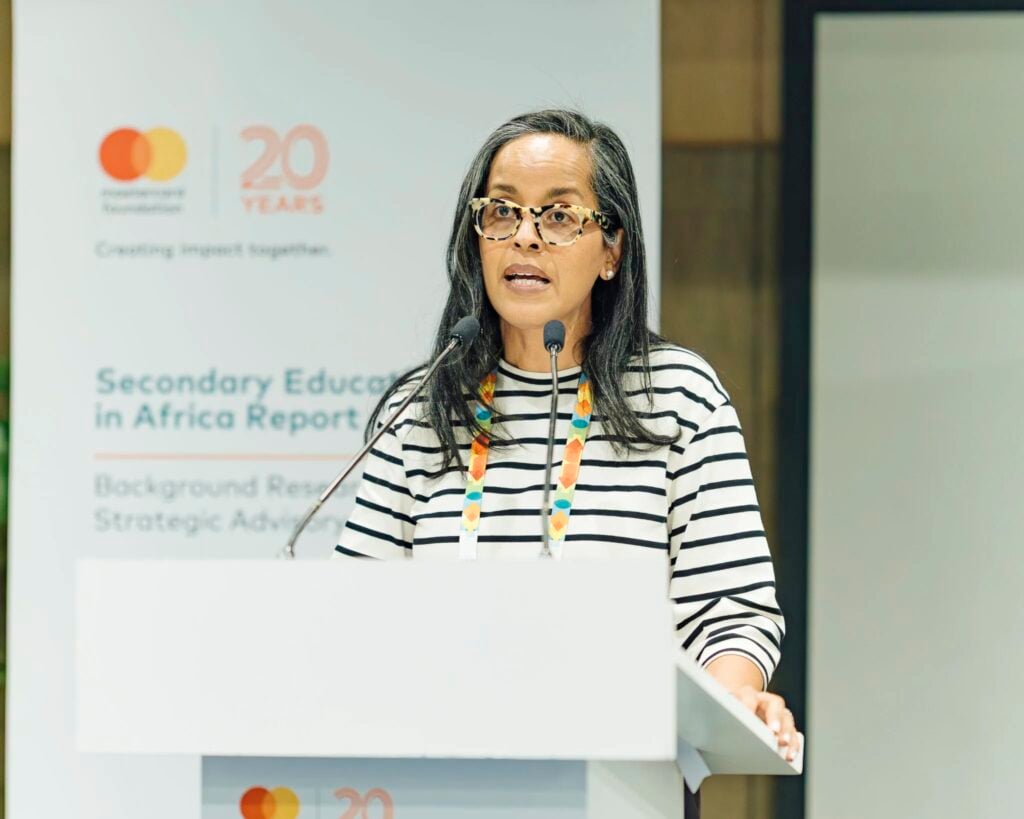
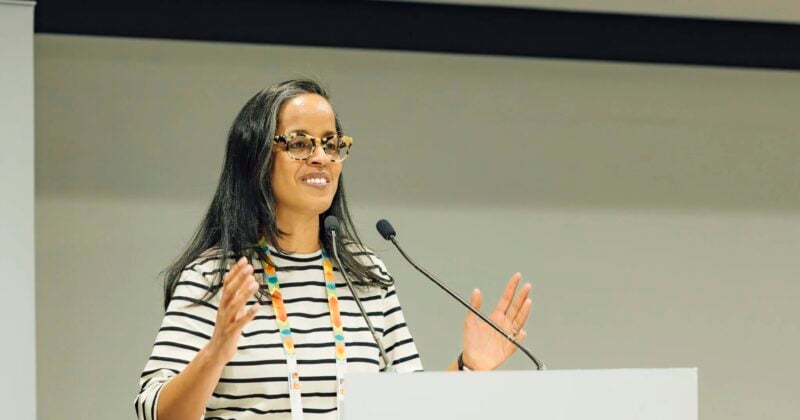
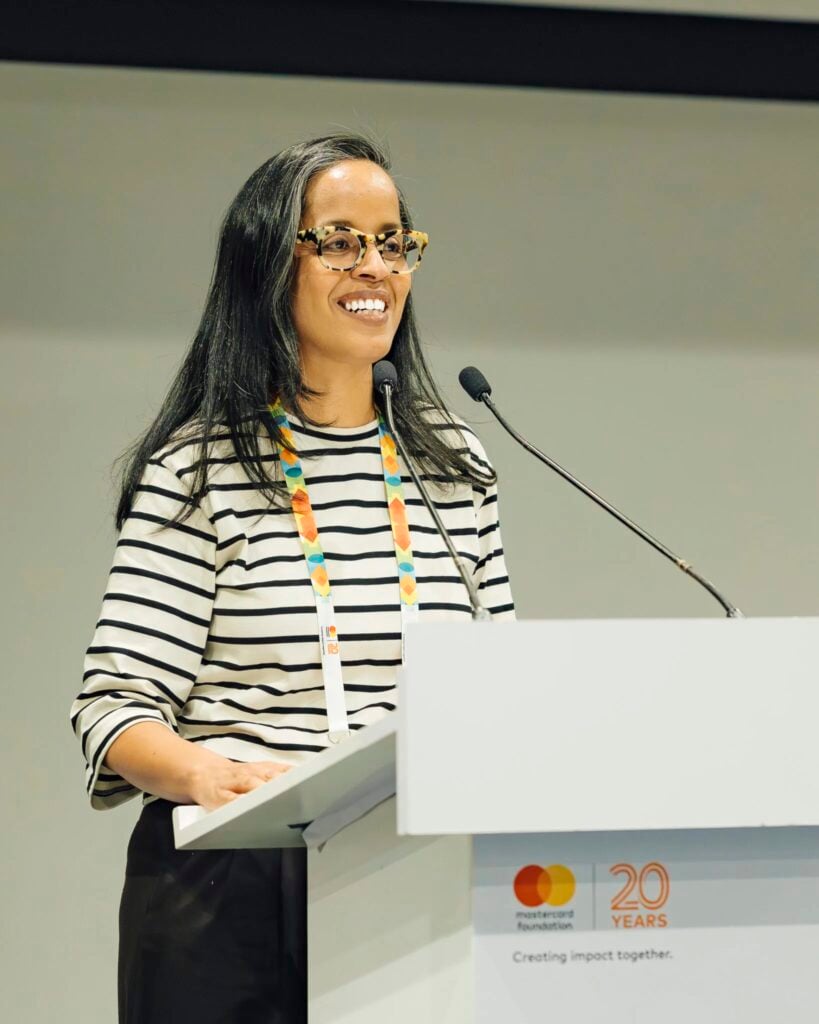
Mastercard Foundation President and CEO Sewit Ahderom said secondary school is “where we can make the biggest difference to whether they find dignified and fulfilling work.”
Kenya’s digital and green edge
The report highlights Kenya, with Rwanda, for teaching computer programming in secondary school, and names it with Nigeria and Zambia as offering some coverage of artificial intelligence topics, at a time when a scan of 49 Sub-Saharan countries found only two that explicitly build AI into their curricula.
Kenyan youth are already earning online. A study cited in the report, covering Kenya, Nigeria, Ghana, South Africa and Uganda, found that selling online, from airtime and data bundles to mobile money services and retail goods, was the most common form of gig work for young people. The report also points to Kobo360, an e-logistics platform that helps truck drivers in Kenya and four other countries find work and access finance.
On green jobs, the report says Kenya “has one of the most advanced approaches to teaching cross-cutting green skills,” with short courses in renewable energy, environmental management and sustainable construction, and the KenGen Geothermal Training Centre serving as a regional centre of excellence.
What school is for
The report finds the world of work is changing fast. More than 10 million young Africans enter the labour market each year, but only about three million formal jobs are created, and around 90 per cent of youth employment is informal. It calls on schools to prepare young people for wage jobs, self-employment and entrepreneurship, as well as digital, green, care and creative work.
“When we published the first Secondary Education in Africa report in 2020, we set out to show that secondary education is the main pathway to work for young people in Africa. Six years on, that message is more important than ever. This second report builds on what we have learned together and asks a bigger question: not only how many young people are in school, but what school prepares them for,” said Samuel Yalew Adela, Senior Director, Secondary Education and Transitions at the Mastercard Foundation.
The creative economy is one of the bright spots. Africa’s music industry is the fastest growing in the world, the report notes, and film, digital media, fashion and gaming offer growing openings for young people.
Every learner counts
The report says reaching the learners most often left behind is good economics as well as fair. Sierra Leone, one of seven countries studied in depth, has made fee-free schooling and the inclusion of pregnant girls, learners with disabilities and rural learners national policy.
“In Sierra Leone, radical inclusion means that no young person is left out because of poverty, pregnancy, disability, or where they live. Fee-free schooling has brought more young people into our classrooms. The evidence in this report shows that reaching the last learner is not only a matter of justice; it is how we build the workforce our economy needs,” said Hon. Conrad Sackey, Sierra Leone’s Minister of Basic and Senior Secondary Education.
Kenya has a similar goal in its 100 per cent transition policy, which saw 97 per cent of learners who completed Grade 6 in 2025 move on to junior school.
“The Mastercard Foundation is committed to working alongside governments and partners to turn this evidence into action, so that young people leave school able to earn a living and build a future on their own terms,” Ahderom said.