NAIROBI, Kenya, Nov 10 – Kenyan-made luxury fashion is increasingly exploring the commercial potential of recycled materials and traditional craftsmanship, as designers seek to combine sustainability with premium clothing and accessories.
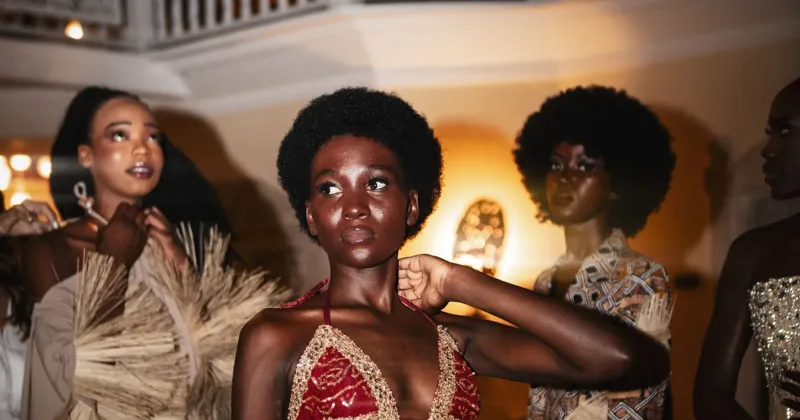
This was demonstrated at the fourth edition of Eco Fashion Week Africa, held in Malindi on November 7, where fashion brand NOORTRIBE showcased a 10-look collection incorporating reconstructed denim, refurbished mosquito nets, silk, raffia and other unconventional materials.
The collection highlights an emerging approach to fashion production in which discarded and existing materials are redesigned into high-value garments, potentially creating new opportunities for local artisans while reducing reliance on virgin materials.
Founded by Italian designer Guia Martinotti, NOORTRIBE combines Italian-inspired tailoring with African textiles and traditional craftsmanship.
Its garments are made in Kenya, with the designer drawing on more than two decades of experience in the European luxury fashion industry, including work associated with Prada and Tom Ford.
The collection featured reconstructed denim garments, an experimental dress incorporating repurposed inner tubes and balloon trousers made from refurbished mosquito-net fabric.
Other pieces included silk kaftans, embroidered dresses and Swarovski-embellished eveningwear, demonstrating how recycled and unconventional materials can be incorporated into premium fashion products.
However, the production process also highlights the labor-intensive nature of artisanal fashion.
One hand-beaded top in the collection required three weeks to complete, illustrating the time and specialized skills involved in producing embellished garments.
A key component of the brand’s production model is its collaboration with 20 women artisans from the Pokomo community along the Tana River, who produce raffia elements used in its designs.
The artisans are paid for each completed piece, providing direct income opportunities while creating a market for traditional weaving skills.
“There is a powerful conversation between reclaimed denim and raw Pokomo raffia. One carries an industrial past, while the other holds generations of craftsmanship,” Martinotti said.
“But heritage only lasts if it can earn. Sustainability isn’t a theme for us; it’s simply how we construct fashion.”
The model reflects the potential for fashion businesses to connect local craft producers with higher-value markets, although the long-term economic impact will depend on consistent demand, production volumes and the ability to sustain reliable earnings for participating artisans.
For Kenya’s fashion industry, the integration of local materials and traditional skills into contemporary designs also presents an opportunity to strengthen domestic value chains beyond the production of raw textiles.
The industry, however, faces the broader challenge of translating sustainability commitments into commercially viable businesses, particularly where handmade production involves higher labour costs and longer manufacturing timelines.