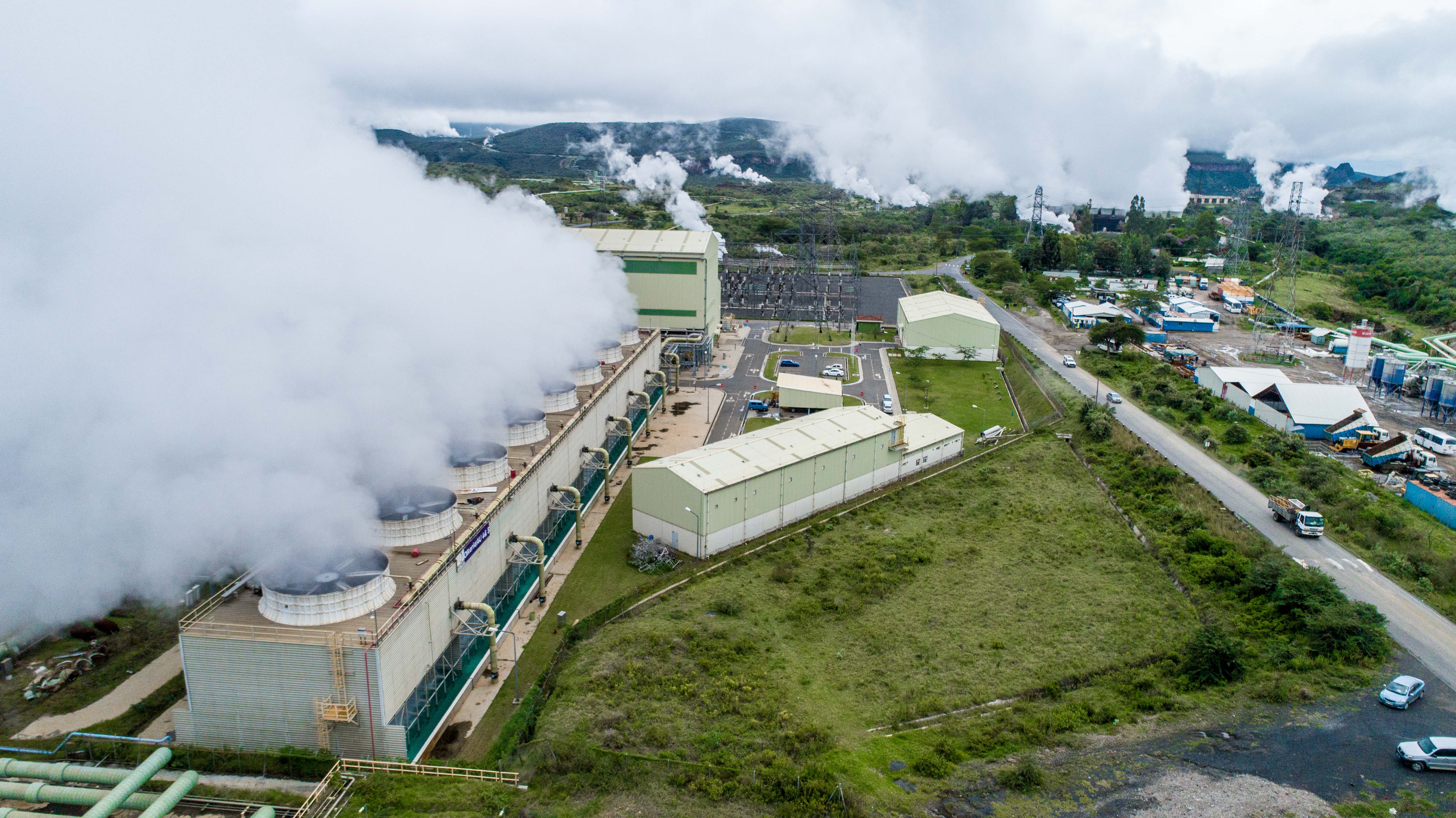
NAIROBI, Kenya, Nov 26 – Kenya Electricity Generating Company (KenGen) is seeking about Sh1.55 trillion from private investors, commercial lenders and development partners to finance new power generation and infrastructure projects.
KenGen Chief Executive Officer Peter Njenga said the company was engaging financial institutions to raise the capital needed to expand electricity generation and support Kenya’s renewable energy targets.
Speaking at the KenGen Sustainable Energy Conference 2026 in Naivasha, Njenga said several financial institutions had expressed interest in financing the company’s project pipeline, including KCB Group and Stanbic Bank.
“When it comes to the issue of financing, you have seen in this conference, we have invited a number of financiers, and they have responded very positively,” Njenga said.
He said the company was also exploring partnerships with other financial institutions to raise funds for planned power projects.
The financing drive comes as KenGen targets to add 250 megawatts of renewable electricity to the national grid by 2027, alongside 100 megawatt-hours of battery energy storage capacity.
The company has completed a 63.3-megawatt project scheduled for commissioning on December 7, while assessments of engineering, procurement and construction contractors are underway for a 42.5-megawatt solar power plant and an 8.6-megawatt geothermal project.
KenGen is also advancing plans for an 80.3-megawatt geothermal project and conducting feasibility studies for wind, small hydropower and floating solar installations.
The projects form part of a 5,540-megawatt renewable energy pipeline that the company plans to develop by 2034.
KenGen is also considering public-private partnerships and special purpose vehicles to attract private capital into capital-intensive projects, including its planned nuclear energy programme.
Deputy Canadian High Commissioner to Kenya Junalar Green said Canada was exploring opportunities to support Kenya’s energy transition through commercial partnerships, development assistance and technical skills transfer.
She said the cooperation could include financing, particularly where commercial partnerships were involved, as well as support for geothermal development and nuclear technology.
“Some of the areas that Canada is exploring include collaborations in the near term, both on a commercial front, as well as with development assistance for skills building,” Green said.
“Potentially, where there are commercial relationships, that does include financing.”
Green said Canada could also support Kenya in areas such as drilling, skills development and nuclear power, drawing on its experience in the energy sector.
Kenya generates about 90 percent of its electricity from renewable sources, with geothermal power accounting for a significant share of its generation capacity.
KenGen said it was also expanding its geothermal business beyond Kenya, with its expertise already being used in Ethiopia, Rwanda, Tanzania, Eswatini and Bhutan.
The conference, themed Powering Africa’s Green Industrial Revolution, has brought together more than 1,000 delegates from over 80 countries, including investors, financiers, policymakers and energy industry representatives.