NAIROBI, Kenya, Nov 24 – The Government has reported more than 687 cases of unrest in schools during the second term of 2026, prompting the establishment of a multi-stakeholder task team to investigate the incidents and recommend lasting interventions.
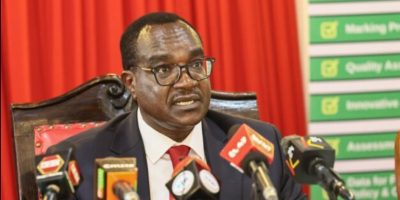
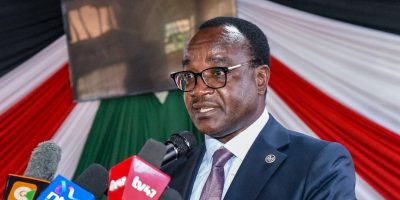
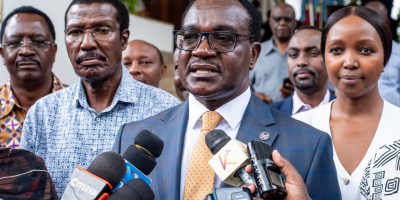
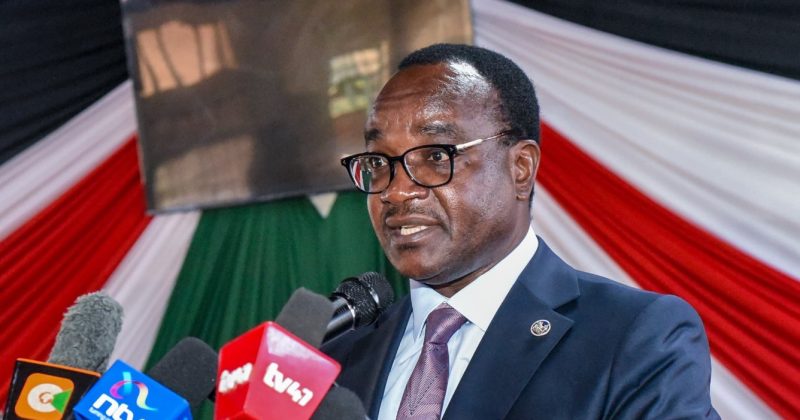
Education Cabinet Secretary Julius Ogamba, who officially inaugurated the Multi-Stakeholder Task Team on Unrest in Schools at the Centre for Mathematics, Science and Technology Education in Africa (CEMASTEA) on Tuesday, said the incidents underscored the urgency of addressing persistent safety concerns in learning institutions.
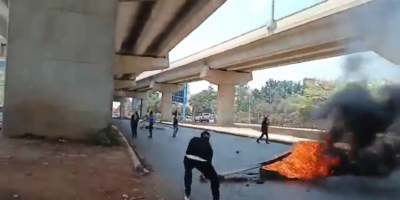
Ogamba said recurrent cases of school unrest, arson, violence and destruction of property remained a major concern, particularly where incidents had resulted in loss of life.
He cited the 2024 Hillside Endarasha Academy tragedy and the May 2026 Utumishi Girls Academy fire as reminders of the need to strengthen learner protection and school safety systems.
The CS said the more than 687 incidents reported during the second term could not be treated as isolated disciplinary cases, arguing that they pointed to deeper challenges involving school governance, learner welfare, institutional accountability and safety standards.
“The true measure of success will not be the report produced, but the lives protected, the institutional reforms implemented and the recurrence of school unrest prevented,” Ogamba said.
The task team, chaired by Professor Peter Mulwa Mbithi, has been given 90 working days from the date of gazettement to complete its assignment and submit a final report by March 2, 2027.
Ogamba said the team had been established to move the country beyond repeated investigations and recommendations towards concrete interventions that address the underlying causes of unrest.
He noted that previous inquiries, including the Sagini, Macharia, Wangai and Koech investigations, had generated recommendations on preventing school unrest, but their implementation remained a major challenge.
The team has been directed to audit recommendations from previous inquiries, establish their implementation status and identify institutions responsible for outstanding actions.
It will also review school safety standards, emergency preparedness, fire prevention systems, infrastructure, security arrangements and disaster risk management.
Particular attention will be given to boarding schools, including dormitory conditions, emergency exits, fire safety equipment, supervision and evacuation procedures.
The Education Ministry has also tasked the team with examining governance and operational arrangements in boarding institutions, where school unrest and safety incidents have raised concerns.
The review will consider the relationship between school infrastructure, government capitation, household contributions, school fees and the overall cost of education.
School uniform policies and affordability will also be examined to establish whether financial pressures on families and institutions contribute to tensions in learning environments.
On learner welfare, the task team will review existing approaches to discipline, guidance and counselling, mentorship, psychosocial support and grievance-redress mechanisms.
It will also examine how schools identify and respond to bullying, peer pressure, substance abuse, gender-based violence and other factors that could contribute to unrest.
Ogamba emphasised the need for positive discipline, dialogue and meaningful learner participation while safeguarding the rights and dignity of children, including learners with special needs and disabilities.
The task team will also examine emerging threats associated with the changing social and technological environment, including social media, smartphone use, misinformation and online mobilisation.
Other areas of investigation will include the influence of criminal gangs, religious extremism and other emerging security risks affecting learning institutions.
Ogamba said the recommendations should promote responsible digital citizenship, early intervention, child protection and stronger collaboration between schools and security and social protection agencies.
The team will further assess accountability among school heads, Boards of Management, teachers, parents, sponsors, learners and education officers.
It will identify gaps in existing policies, regulations and legislation that undermine efforts to prevent and manage school unrest.
Ogamba directed the team to conduct comprehensive stakeholder consultations across all 47 counties, incorporating views from learners, parents, teachers, school administrators and affected communities.
He said the process must be guided by evidence and take into account differences in regional circumstances, institutional arrangements and learner needs.
The final report is expected to provide an assessment of the causes of school unrest, proposals for policy and legislative reforms, and a prioritised and costed implementation framework.
It must also identify responsible institutions, implementation timelines, resource requirements and measurable indicators to ensure accountability.
The Cabinet Secretary said the Government would consider the recommendations for appropriate policy, administrative, regulatory and legislative action.
He added that an inter-agency implementation mechanism would be established to ensure continuity beyond the task team’s mandate.
Ogamba called on the appointed members to approach the assignment with independence, integrity and professionalism, warning against producing another report whose recommendations would remain unimplemented.