NAIROBI, Kenya, Nov 28 – Home blood pressure monitoring, supported by community health workers, could improve hypertension detection in rural communities, particularly in areas where access to health facilities and specialised monitoring equipment is limited, a new study has found.
The study, conducted in Kilifi County, Kenya, and Kiang West in The Gambia, found that the approach could identify most people with hypertension in Kenya, offering a potential alternative to conventional blood pressure checks at health facilities.
The research, published in The Lancet Global Health, recorded an age-standardised sensitivity of 82.6 per cent for home monitoring in Kenya. This means the method correctly identified 82.6 per cent of people classified as having hypertension through daytime ambulatory blood pressure monitoring.
In The Gambia, the sensitivity was lower at 68.7 per cent.The study was led by researchers from the KEMRI-Wellcome Trust Research Programme, the Medical Research Council Unit The Gambia at the London School of Hygiene & Tropical Medicine and other institutions involved in the Improving Hypertension Control in Rural Sub-Saharan Africa (IHCoR-Africa) study.
The researchers analysed data from 1,279 adults aged 30 and above in the two communities. The participants included 696 Kenyans and 583 people from The Gambia, with women accounting for more than half of the total.
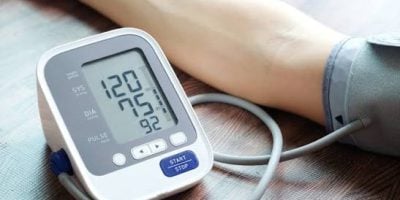
Community health workers trained participants to use validated digital blood pressure monitors at home. They were instructed to take readings twice a day, in the morning and evening, for between three and seven days.
The researchers also fitted participants with ambulatory blood pressure monitoring devices, which automatically recorded readings every 15 minutes during the day and every 30 minutes at night.
In Kenya, home monitoring recorded an age-standardised hypertension prevalence of 32.5 per cent, compared with 23.1 per cent using ambulatory monitoring. In The Gambia, the corresponding figures were 31.2 per cent and 27.1 per cent.
However, the researchers cautioned that the higher prevalence recorded through home monitoring did not mean that all the additional cases were correctly identified.
The positive predictive value of home monitoring was 58.6 per cent in Kenya and 59.9 per cent in The Gambia. This means that some people whose home readings indicated high blood pressure were not confirmed to have hypertension through ambulatory monitoring.
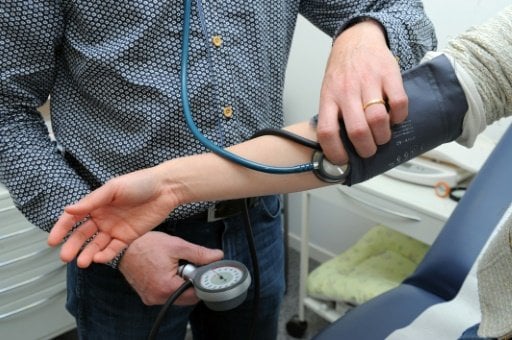
The researchers said conventional office blood pressure measurements remain the main method of screening and diagnosing hypertension in sub-Saharan Africa because they are widely available in healthcare facilities and other settings.
However, they noted that recent data from the region suggest these measurements have low sensitivity, potentially delaying the identification of people with hypertension.
The study said home monitoring could provide an alternative in rural areas where ambulatory monitoring is expensive and difficult to organise.
It, however, identified several challenges that would need to be addressed before the approach is adopted widely. These include the cost of validated blood pressure monitors, ensuring patients take their readings consistently and improving health facility systems for downloading, reviewing and interpreting the results.
The researchers also cautioned that the findings may not apply to all communities across sub-Saharan Africa, since the study was conducted in only two rural areas.
The study’s cross-sectional design also meant it could not establish whether the accuracy of home monitoring was linked to long-term health outcomes, including cardiovascular complications.