NAIROBI, Kenya, Jan 18 – The National Biosafety Authority (NBA) has warned institutions dealing with research on genetically modified organisms (GMOs) and their products that are yet to register, following the expiry of a three-month notice issued in October last year.
The NBA had earlier directed institutions involved in GMO-related research to regularize their operations with the Authority, offering a grace period with no penalties.
However, after the deadline, any institution found handling GMOs without NBA approval will face legal consequences under the Biosafety Act.
“After the deadline, anyone found dealing with GMOs without a permit from NBA will be dealt with legally as per the Biosafety Act. Our officers will visit institutions later this year for physical verification,” said Josephat Muchiri, Acting Director of Biosafety Research and Compliance at the NBA.
The Biosafety Act 2009, under Section 18(1), prohibits any activity involving GMOs—such as research, import, export, or placing them on the market—without written approval from the NBA. The regulations apply to GMOs in plants, animals, microorganisms, pharmaceuticals, and vaccines.
In a recent ruling, the High Court upheld the government’s 2022 decision confirming that Kenya has a robust legal framework to regulate GMOs.
The NBA is tasked with overseeing the safe handling and use of GMOs to ensure the protection of human and animal health, as well as environmental safety.
Violators of the Biosafety Act, including those who use GMOs without approval or fail to comply with regulatory conditions, face fines of up to Sh20 million, or imprisonment for up to 10 years, or both.
Kenya has approved 58 GMO projects, including 40 for contained use in laboratories or greenhouses, 15 for confined field trials, and three for commercial cultivation.
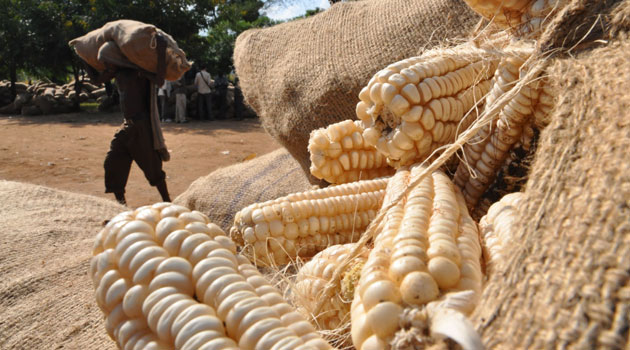
These include Bt cotton, which was commercialized in 2020, Bt corn (approved in 2022 and currently under evaluation), and virus-resistant cassava, which is undergoing National Performance Trials.