NAIROBI, Kenya, Oct 10 – Nairobi City County has stepped up efforts to accelerate informal settlement upgrading projects across nine settlements, with authorities targeting completion of key interventions by the end of 2026.
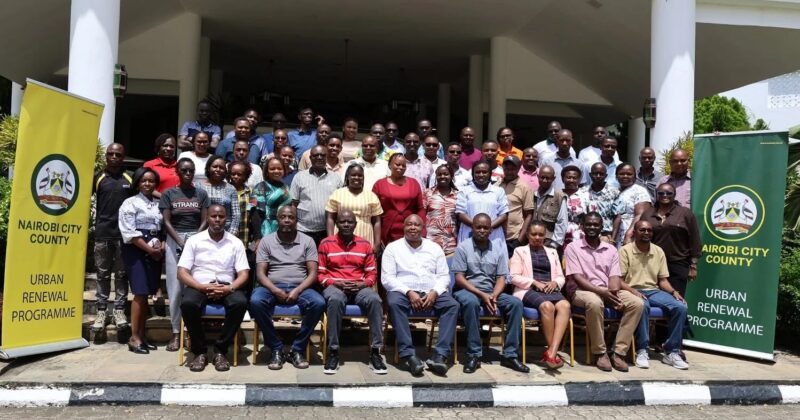
The county leadership and urban development stakeholders renewed their commitment to speeding up project implementation during a capacity-building workshop for the Kenya Informal Settlements Improvement Project Phase Two (KISIP 2) County Project Coordination Team (CPCT), held in Mombasa on October 8.
The workshop brought together the national and county project coordination teams, alongside technical experts in engineering, land surveying, urban planning, community development, environmental management, health and safety, legal services, procurement, communications and finance.
Discussions focused on the progress of ongoing projects, land tenure security, socioeconomic inclusion, institutional capacity and strategies to upgrade informal settlements while preventing the emergence of new ones.
County Executive Committee Member for Built Environment and Urban Planning Patrick Mbogo said effective collaboration among departments was essential to delivering projects within the set timelines.
Mbogo noted that KISIP initiatives had contributed to urban development since 2017 through investments in infrastructure, land tenure security, street lighting and sanitation.
He urged the project teams to identify implementation challenges, make timely decisions and ensure the interventions support Governor Johnson Sakaja’s agenda of improving service delivery and living conditions in Nairobi.
“Teamwork is key to efficient and effective project implementation,” Mbogo said, calling for coordinated action across the different project components.
County Chief Officer for Housing and Urban Renewal Godfrey Akumali, who also coordinates KISIP 2 in Nairobi, called on project managers and technical teams to strengthen accountability and address implementation bottlenecks.
Akumali said the county had a responsibility to improve living conditions for residents of informal settlements, adding that all teams needed to focus on solutions to meet the end-of-year targets.
He urged component heads to assess progress regularly, resolve outstanding challenges and ensure that each intervention contributes to improving living conditions in the targeted settlements.
The workshop reviewed project status, implementation timelines, financial management, procurement processes, community safeguards and challenges affecting major infrastructure works across the county.
The workshop programme included an overview of KISIP 2, reviews of individual project components and plenary discussions on implementation progress.
Participants also examined financial accountability and procurement management before undertaking field visits to World Bank-supported KISIP projects in Kwale County.
The sessions concluded with plans to develop an actionable roadmap for addressing delays and strengthening project monitoring.
Director of Accounting Services Patrick Wanjohi, members of the CPCT secretariat and other county officials also attended the workshop.
The county says improved coordination and monitoring will be critical to ensuring the timely delivery of informal settlement upgrading projects and improving access to essential infrastructure and services for Nairobi residents.