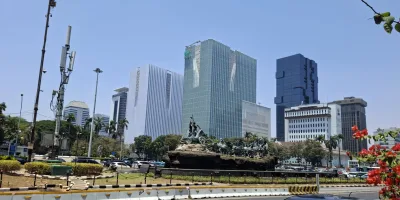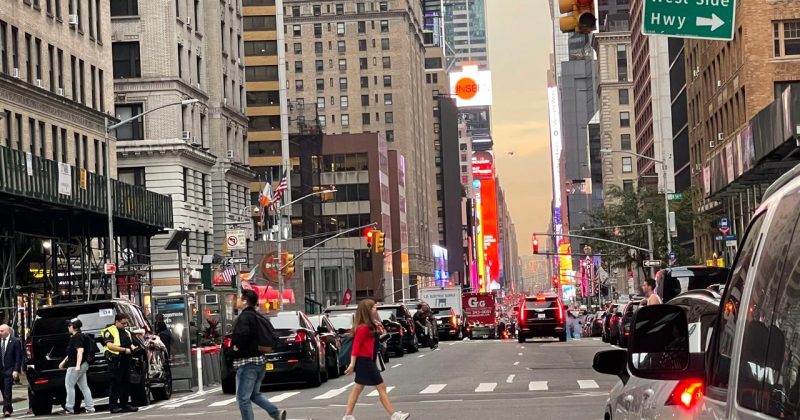
NEW York, USA, Sep 25 – Walking through Manhattan during the 80th United Nations General Assembly is like stepping into a living case study of how a megacity can function under intense pressure.
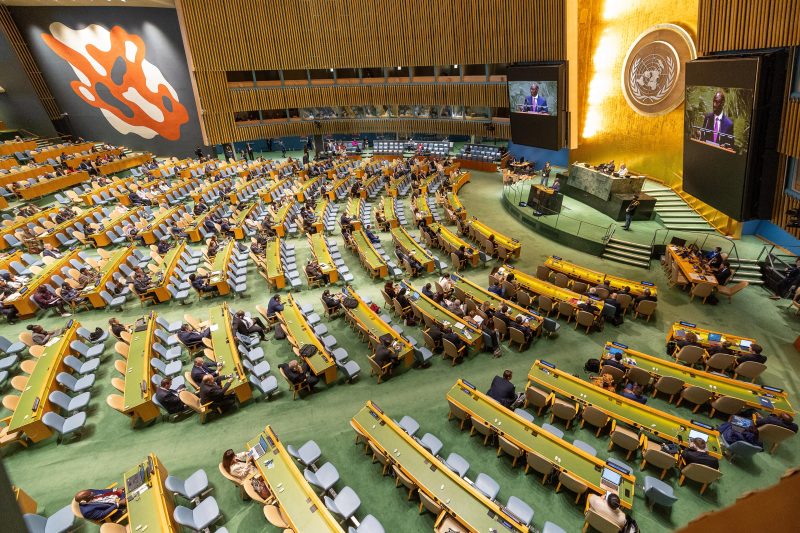
Over 150 heads of state and government converge in New York each September for the UN’s high-level week, joined by thousands of diplomats, security teams and journalists. Yet the city runs, not perfectly, but impressively with an order and security that would feel utopian in Nairobi.
From Seventh Avenue to First Avenue: A City on Foot
From my hotel on Seventh Avenue, 56th Street, I could walk minutes away to Jazz at Lincoln Centre at 10 Columbus Circle for the Gates Foundation’s annual Goalkeepers event, where Bill Gates announced his commitment of $912 million to the Global Fund.

I could stroll into Central Park for a breath of evening air, or head east to First Avenue to follow global conversations at UN headquarters.
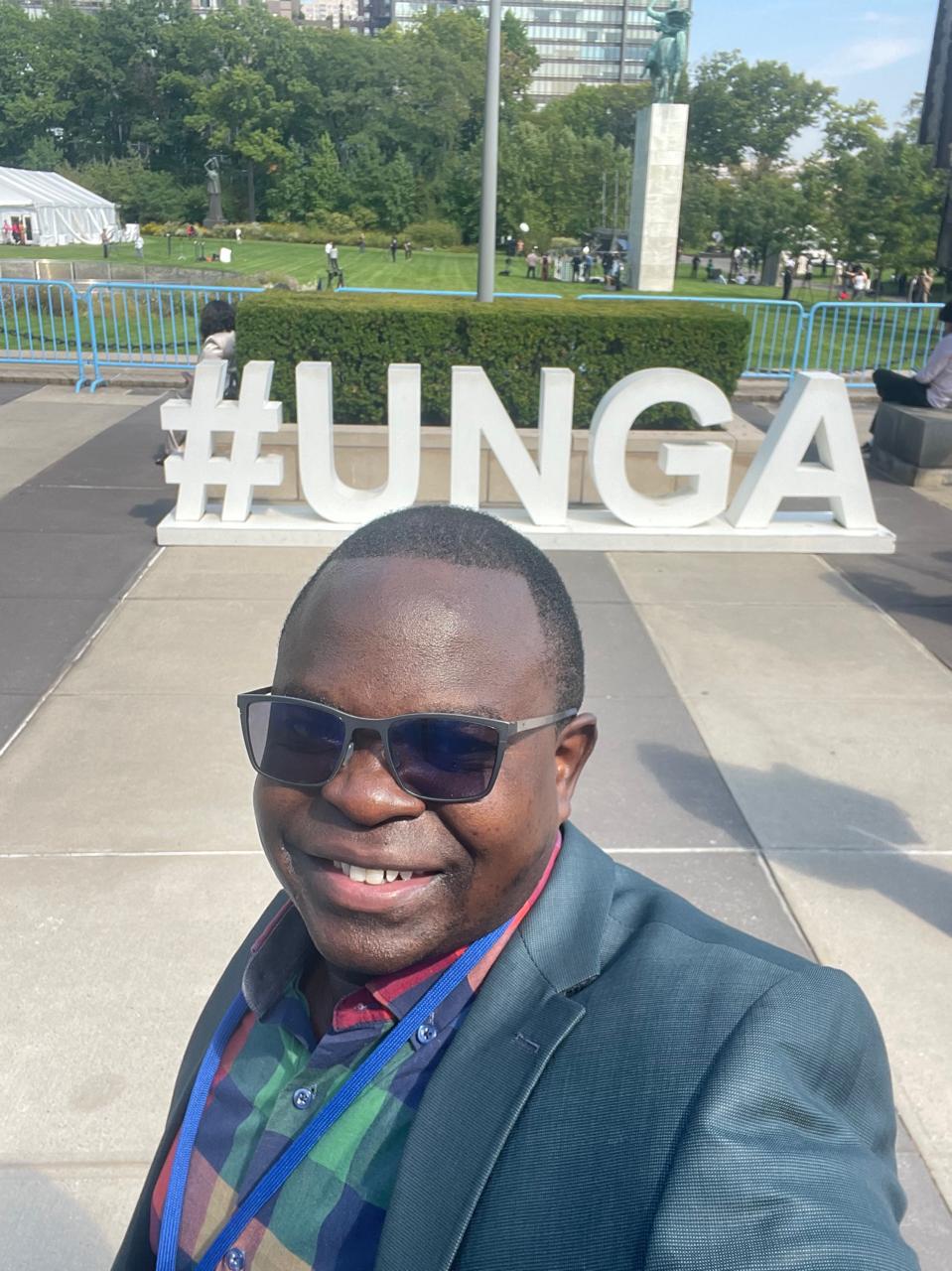
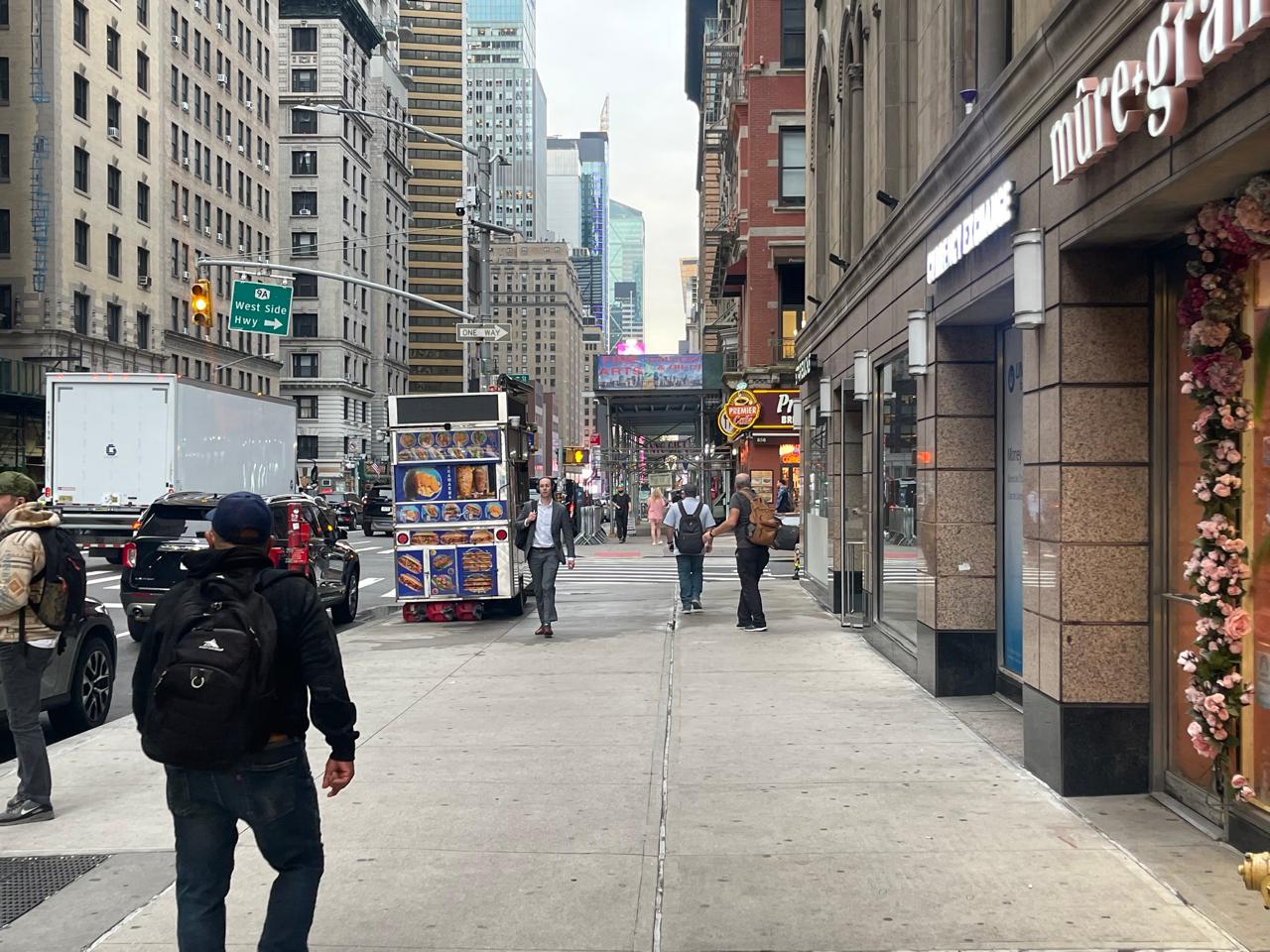
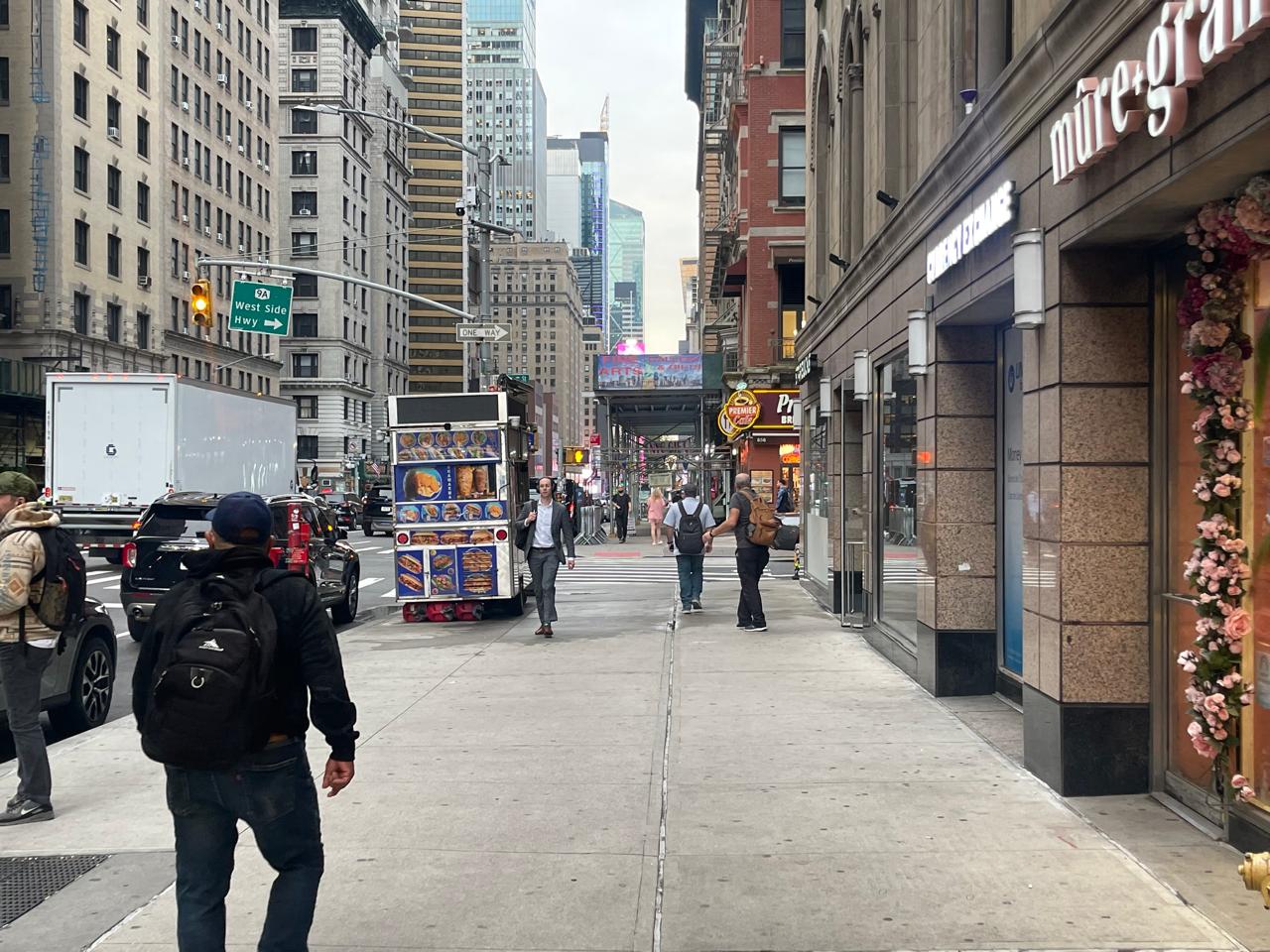
The experience was the same each time: clean pavements, clear signage, NYPD officers at nearly every junction who do not override the lights but enforce them, and pedestrians who cross only when the signals change.
Taxis in New York are usually expensive, but during UNGA week they become even costlier and slower, especially anywhere close to the UN headquarters, where the heavy security bubble means restricted routes and drop-offs far from your destination.
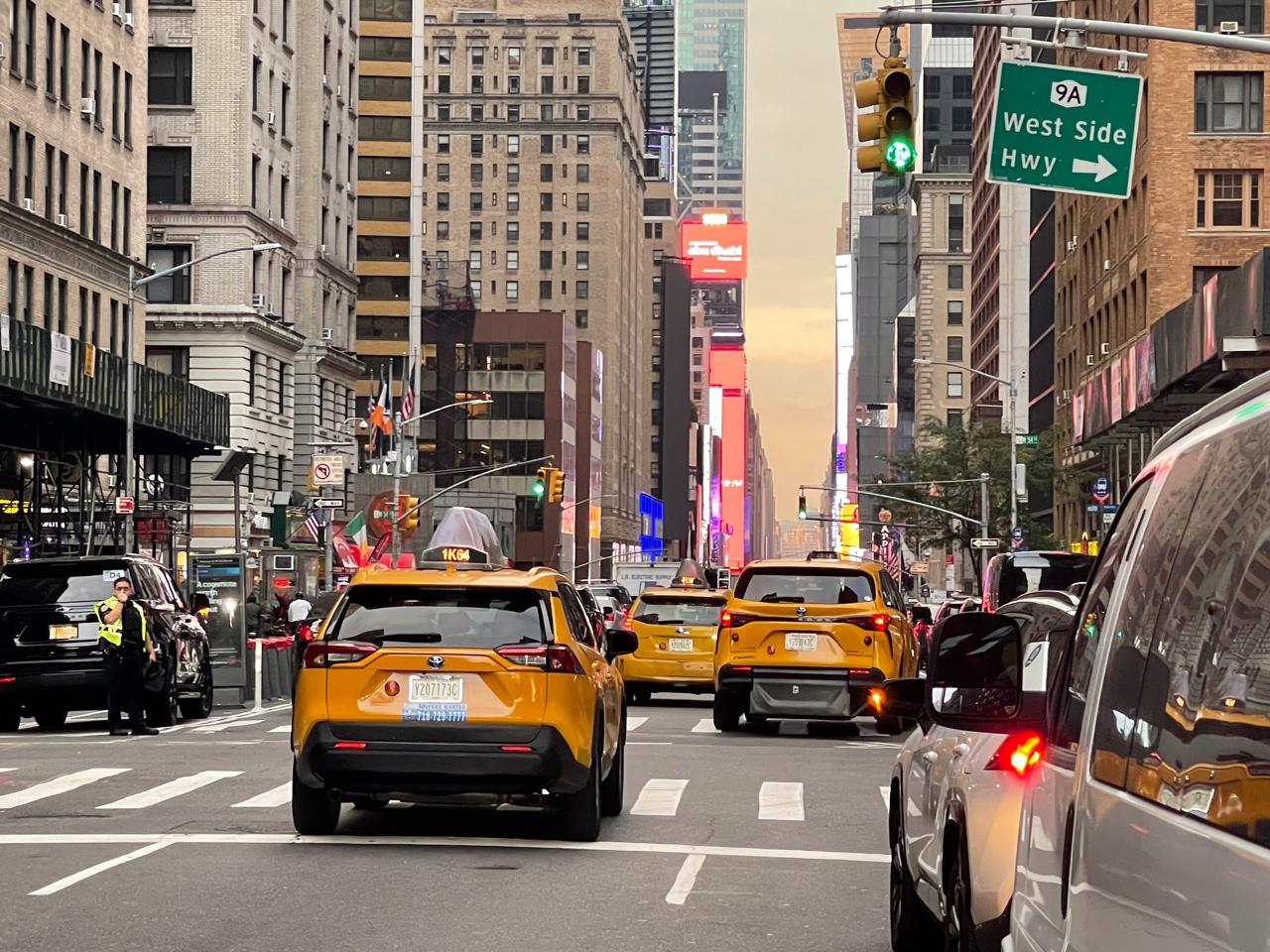
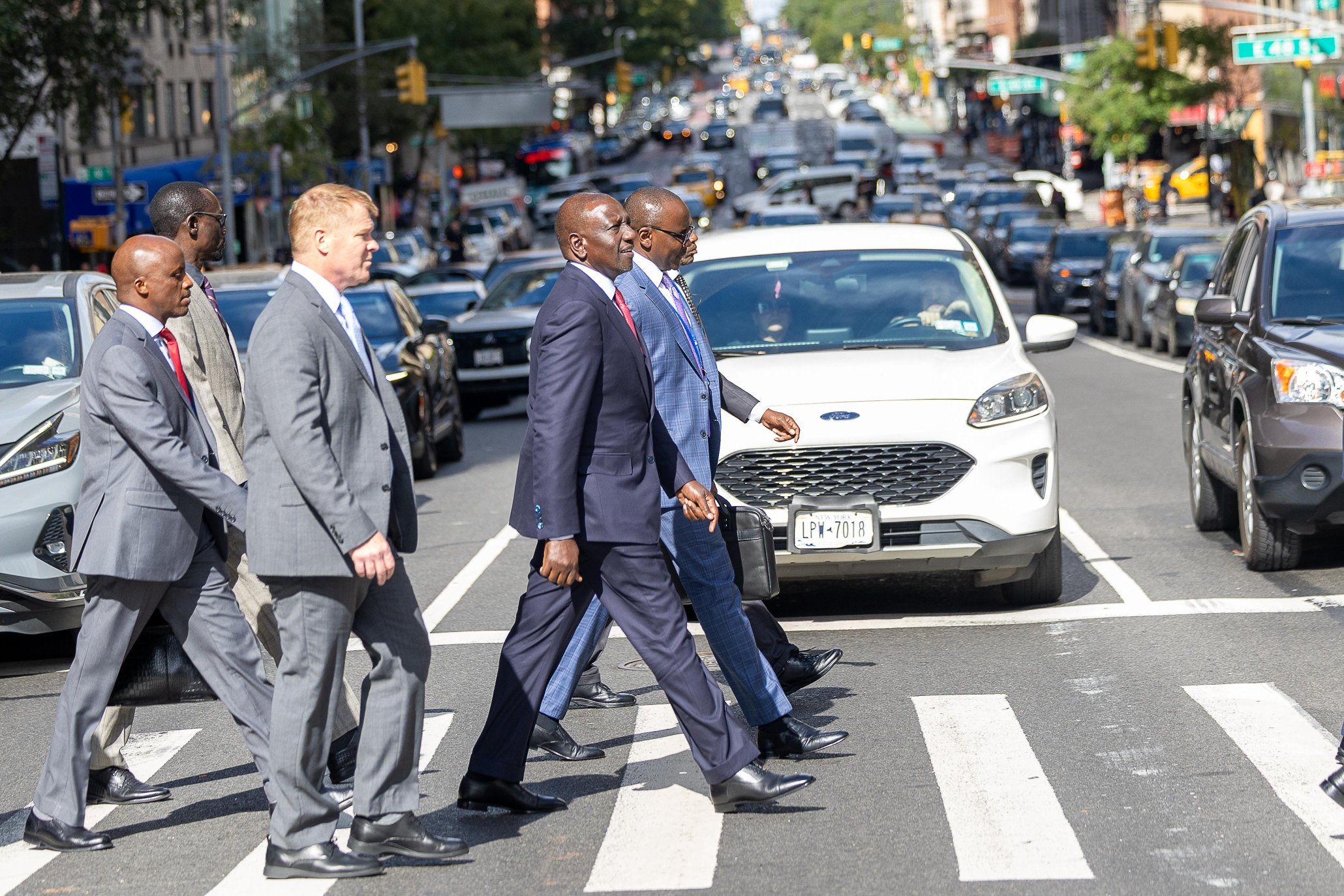
So people, from Presidents, ministers, to journalists from around the world choose to walk. Traffic in New York has been gridlocked during UNGA week.
Earlier this week, French President Emmanuel Macron was filmed making a phone call to Donald Trump after police blocked his route to the French embassy while preparing for the US president’s motorcade.
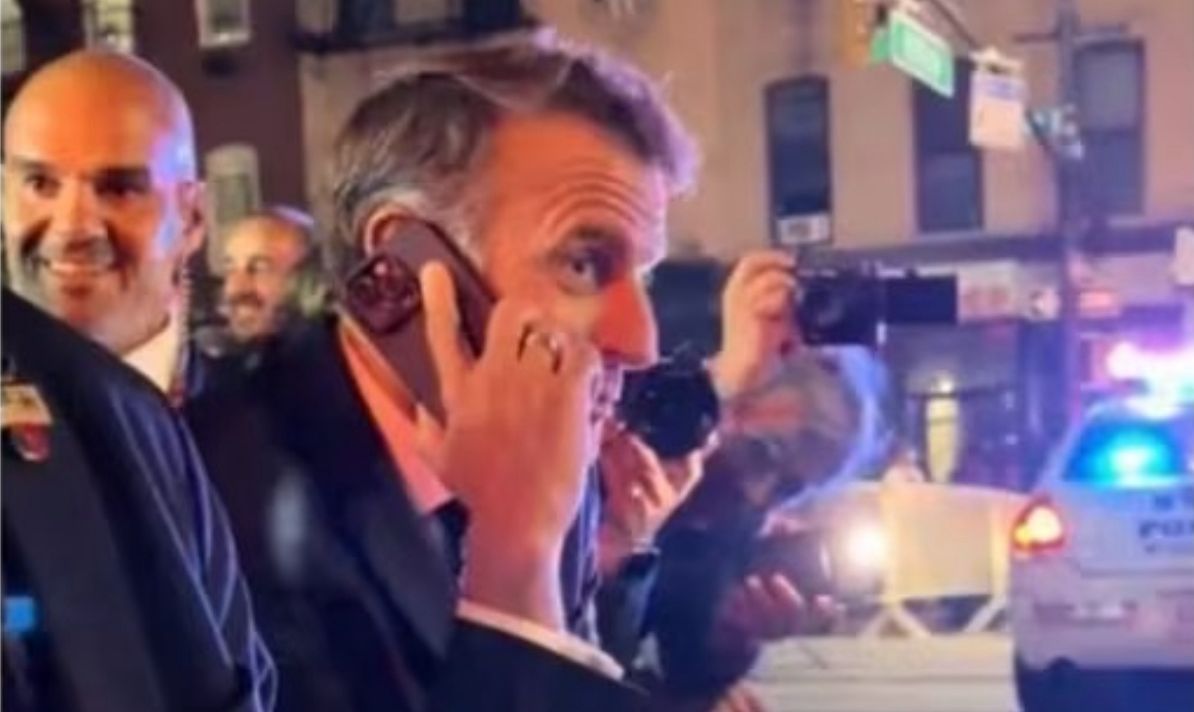
Video shows Macron stepping out of his vehicle to speak with New York police officers in an attempt to ‘negotiate’ passage. He was in New York to co-chair the 80th United Nations General Assembly.
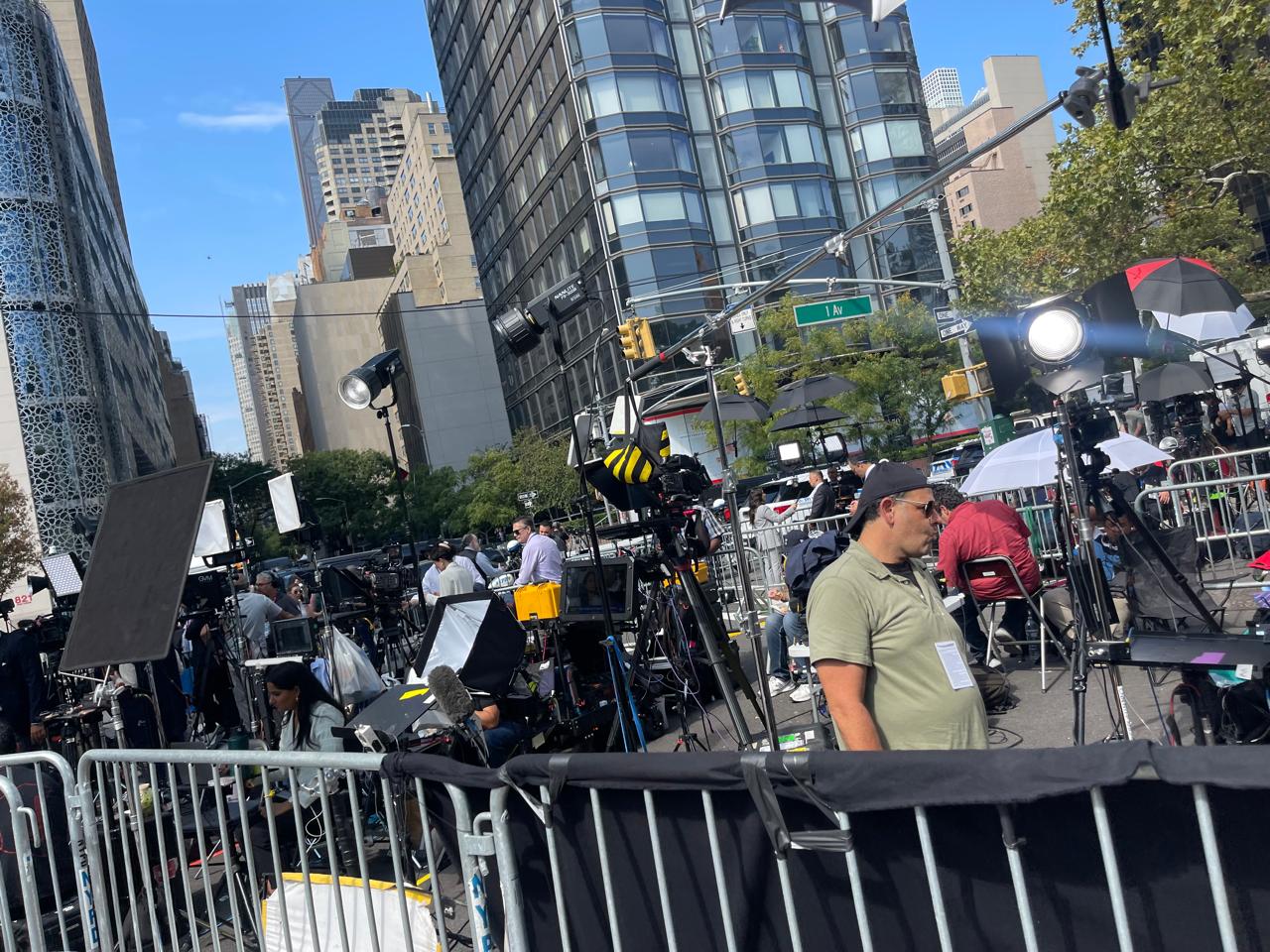
And walking reveals what no limousine ride can show: a city whose order is built into its design and culture.
The Spectacle of Times Square
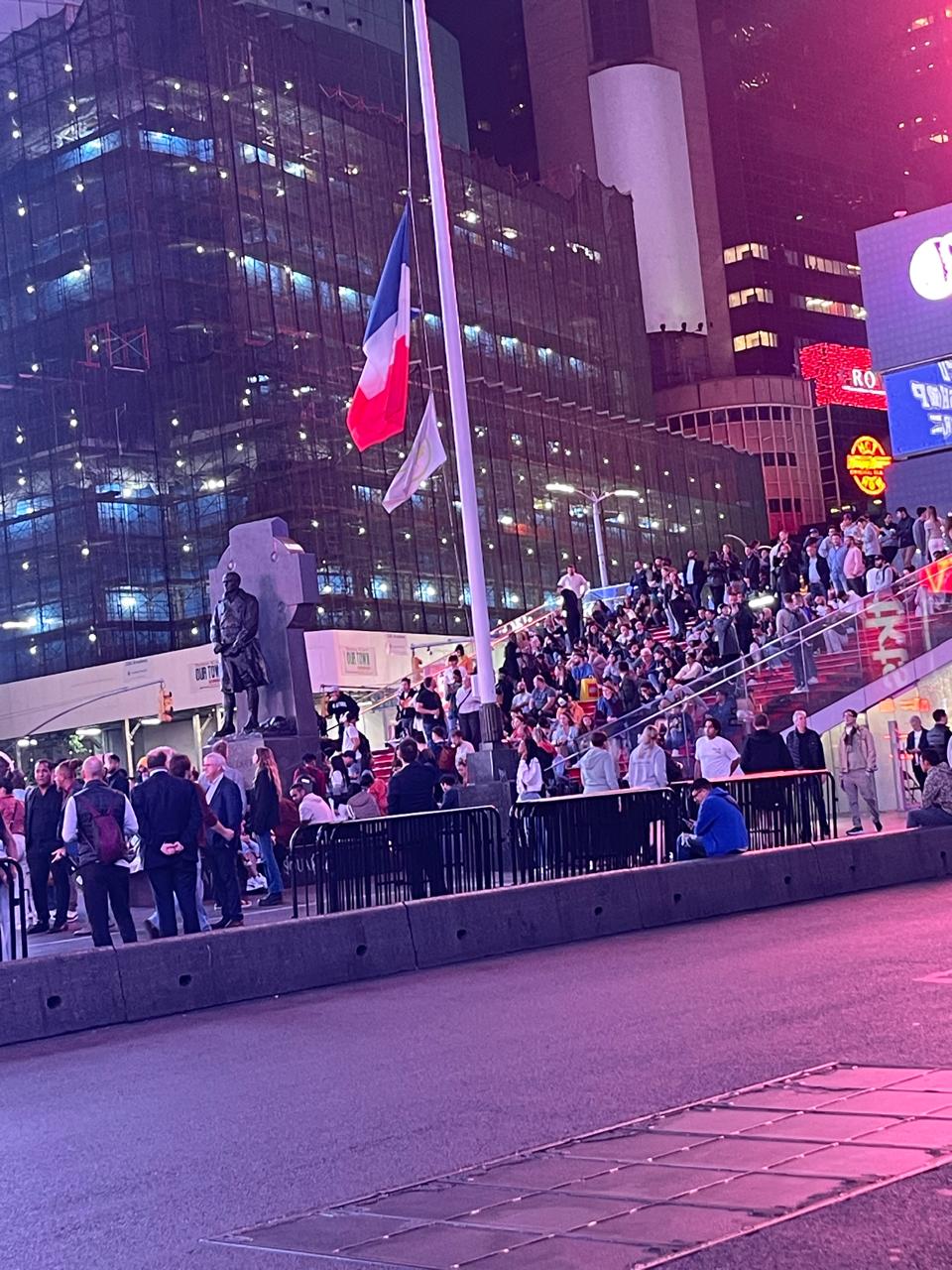
Passing through Times Square along Seventh Avenue is a spectacle in itself: huge digital billboards flashing day and night; street artists offering to draw your portrait for a fee; families with children watching impromptu performances under the neon glow.
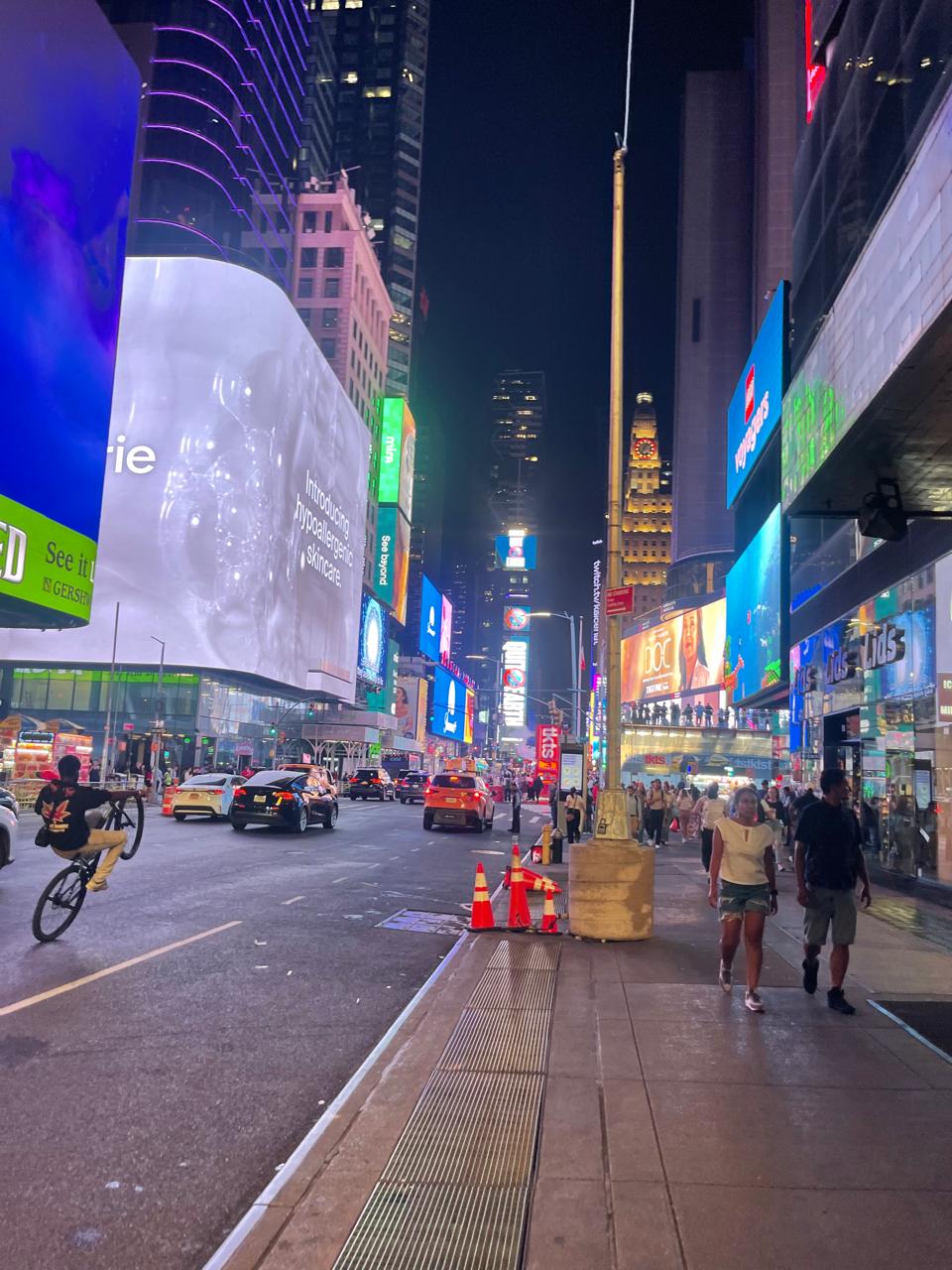
Activities buzz 24 hours a day, seven days a week. This is “the city that never sleeps,” yet it feels safe and strangely intimate, children running between parents, tourists taking photos without looking over their shoulders. I came back at night just to marvel at the light shows and street performers.
Street Food and Cravings from Home
Starbucks cups are everywhere, New Yorkers crisscrossing the avenues with coffee in hand. Fast-food icons like McDonald’s, Burger King, and former US President Barack Obama’s favourite, Five Guys, which I had to try out, sit beside delis and food trucks selling bagels, wraps, hot dogs, tacos and falafel.
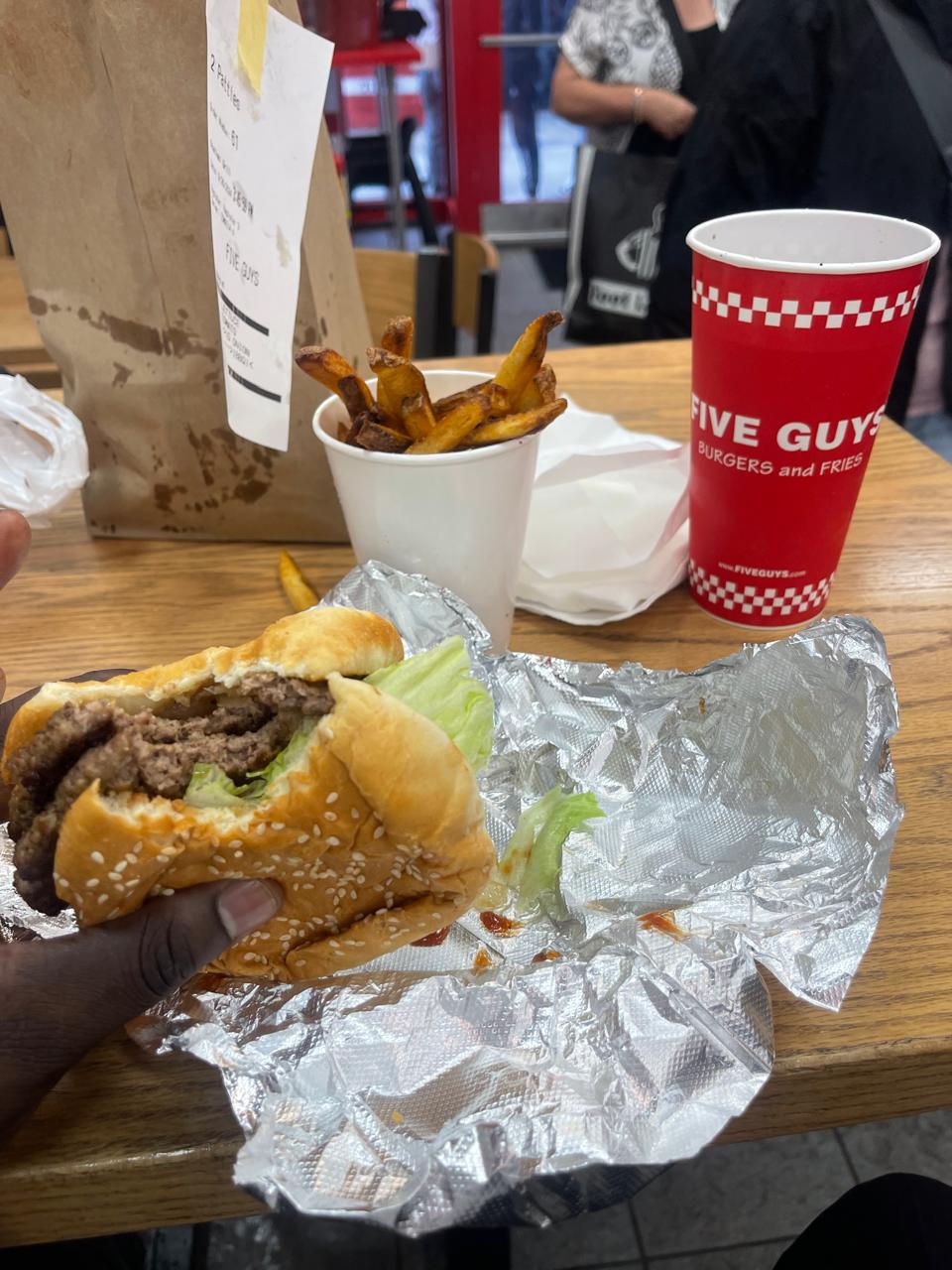
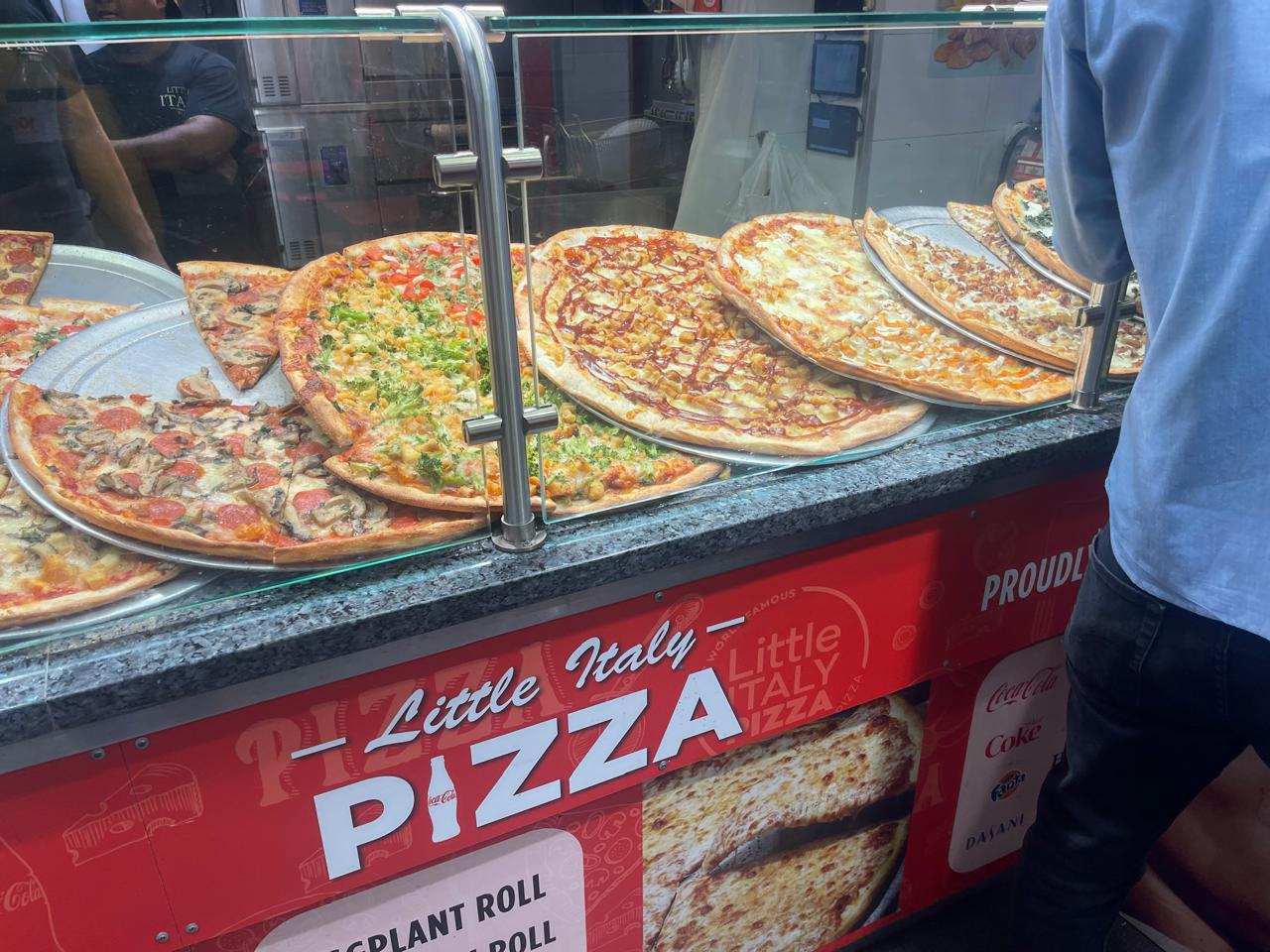
Pizza slices larger than your plate are served on paper plates; the smell of grilled burgers drifts from every corner. This makes it easy to grab a quick bite even inside the security bubble.
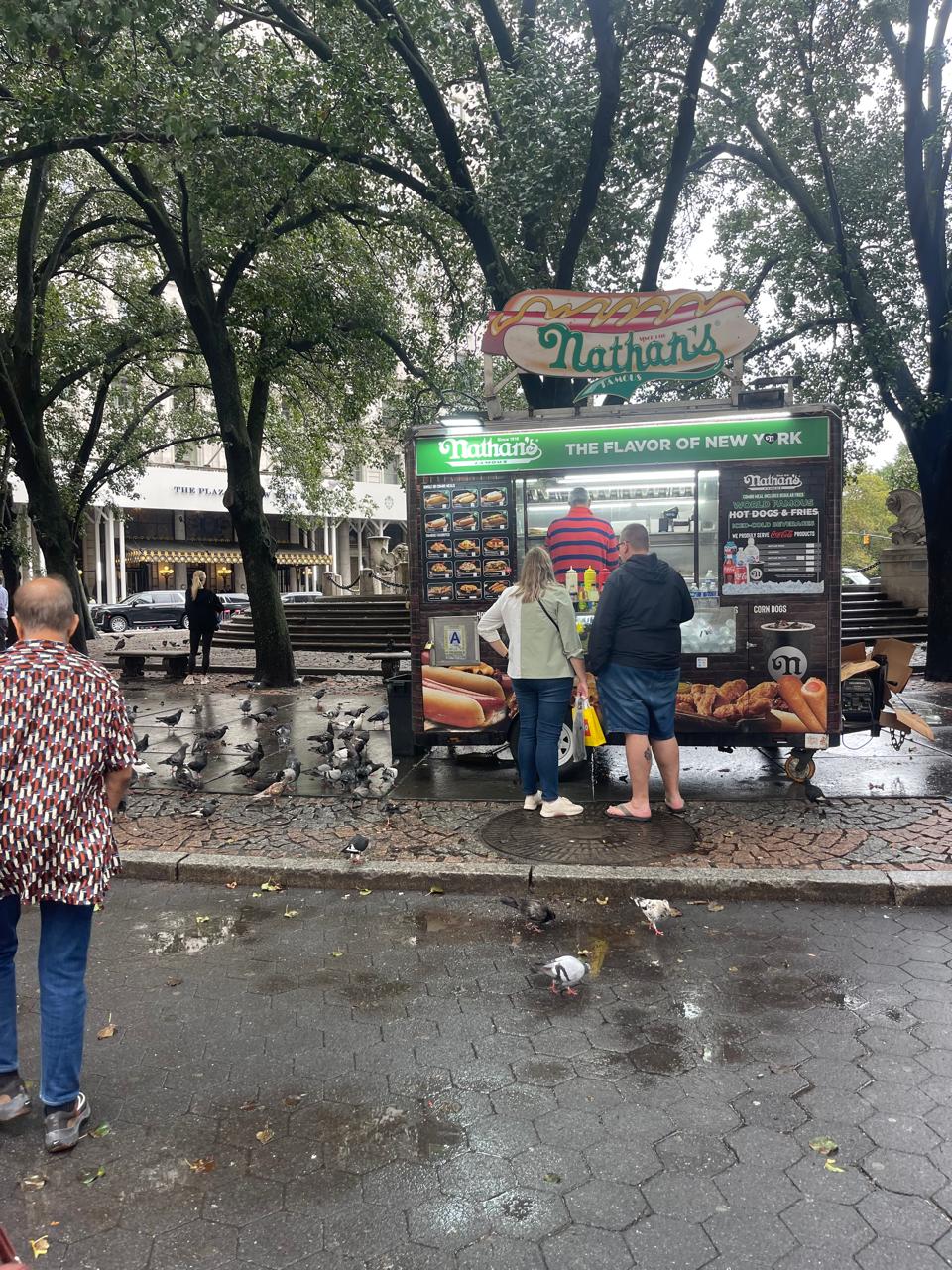
My trip in New York wouldn’t be complete without trying the street food neatly lined up in trucks along the avenues. This is part of the city’s DNA, a leveller where construction workers, students, and even the world’s super-rich grab a bite.
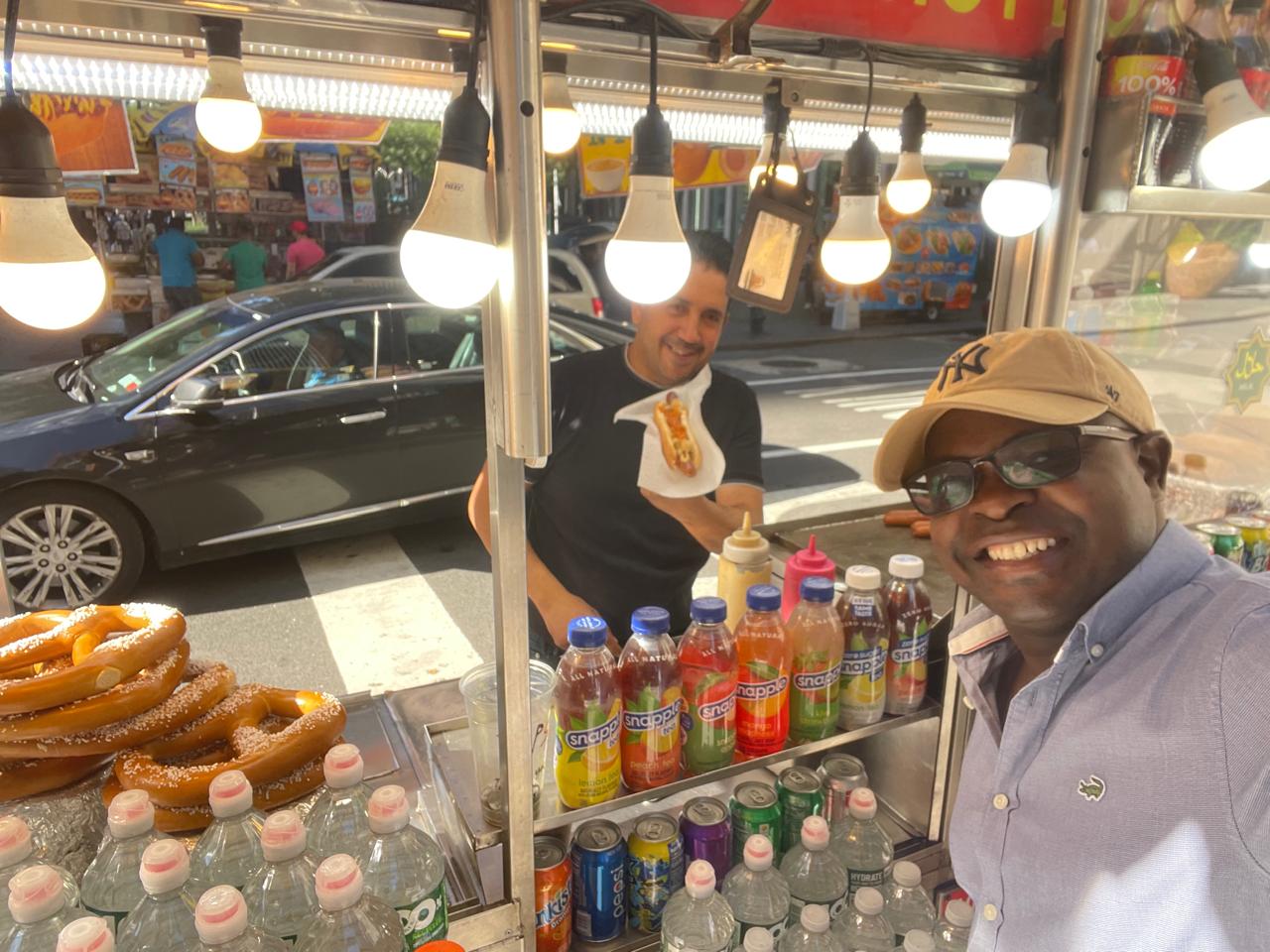
In September last year, Microsoft founder Bill Gates made headlines when he stopped at a hot-dog cart in Times Square. Here, no one blinks at billionaires lining up at food trucks.
In Nairobi, such informal eateries are often treated as eyesores rather than embraced as a vibrant piece of urban life. Why would we not be comfortable stopping to grab a smocha.
Yet after days of burgers, pizza, hot dogs and wraps, I found myself missing a simple Kenyan staple: ugali. Even for a week away, that familiar taste stays with you. It was a reminder that while cities can offer you everything, home still calls in the simplest ways.
Another thing that struck me is New York’s fine-dining culture, which spills naturally into the streets.
Many restaurants extend their seating onto pavements and cordoned-off lanes, turning ordinary sidewalks into lively outdoor cafés.
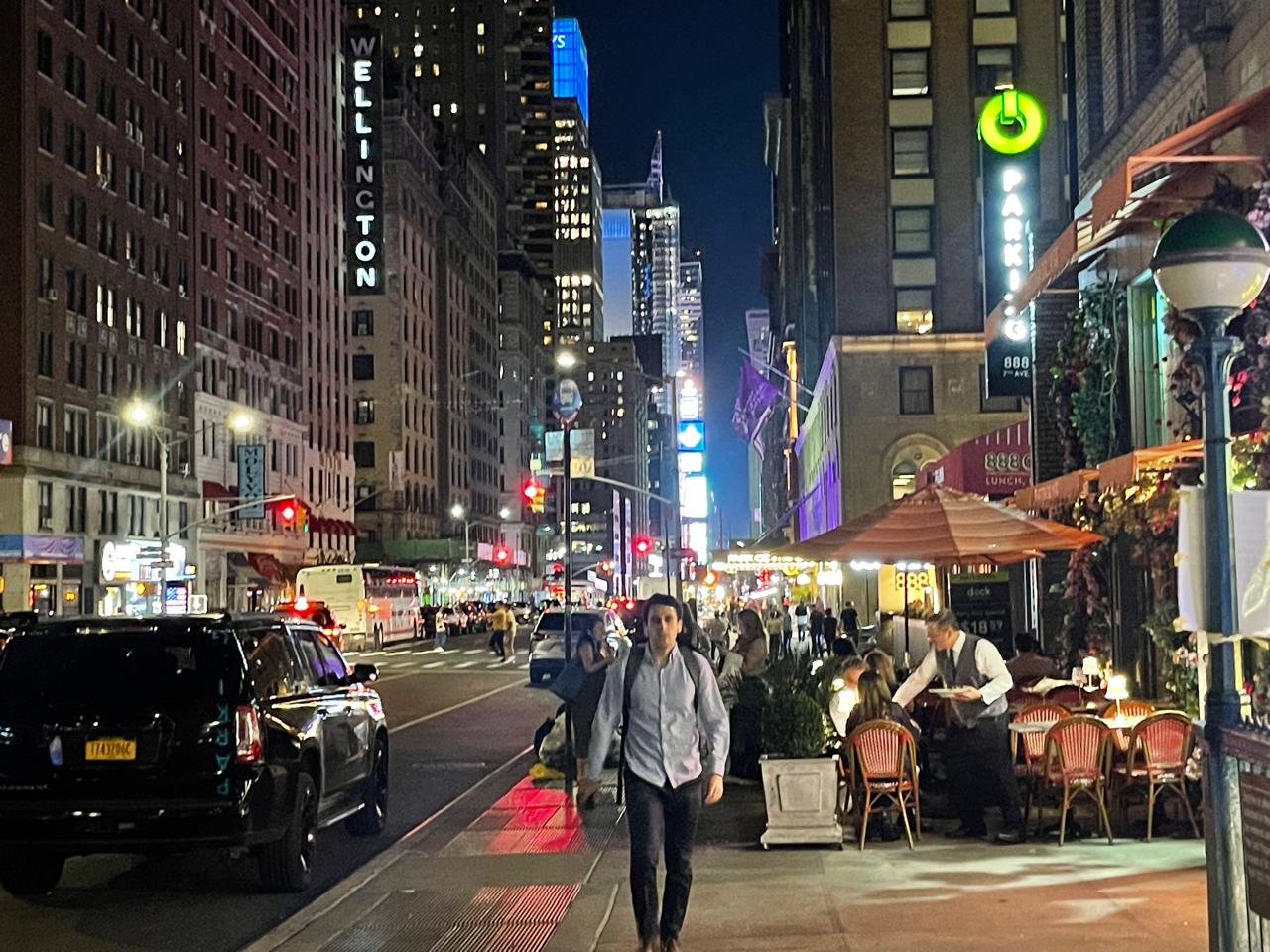
Under string lights and umbrellas, diners linger over seafood, steaks, or gourmet pasta while taxis and cyclists glide by. There’s an energy to eating outside here — a sense of openness and community. In Nairobi, al-fresco dining still feels like a niche novelty; in Manhattan it is mainstream, woven into the city’s fabric, and gives every meal — from a quick salad to a Michelin-starred feast — the thrill of watching the city pulse around you
Buses, Bikes and Subways: The Arteries of a Mega-City
Another striking difference is the transport system. Manhattan’s dedicated bus lanes and bike lanes are clearly marked and respected.
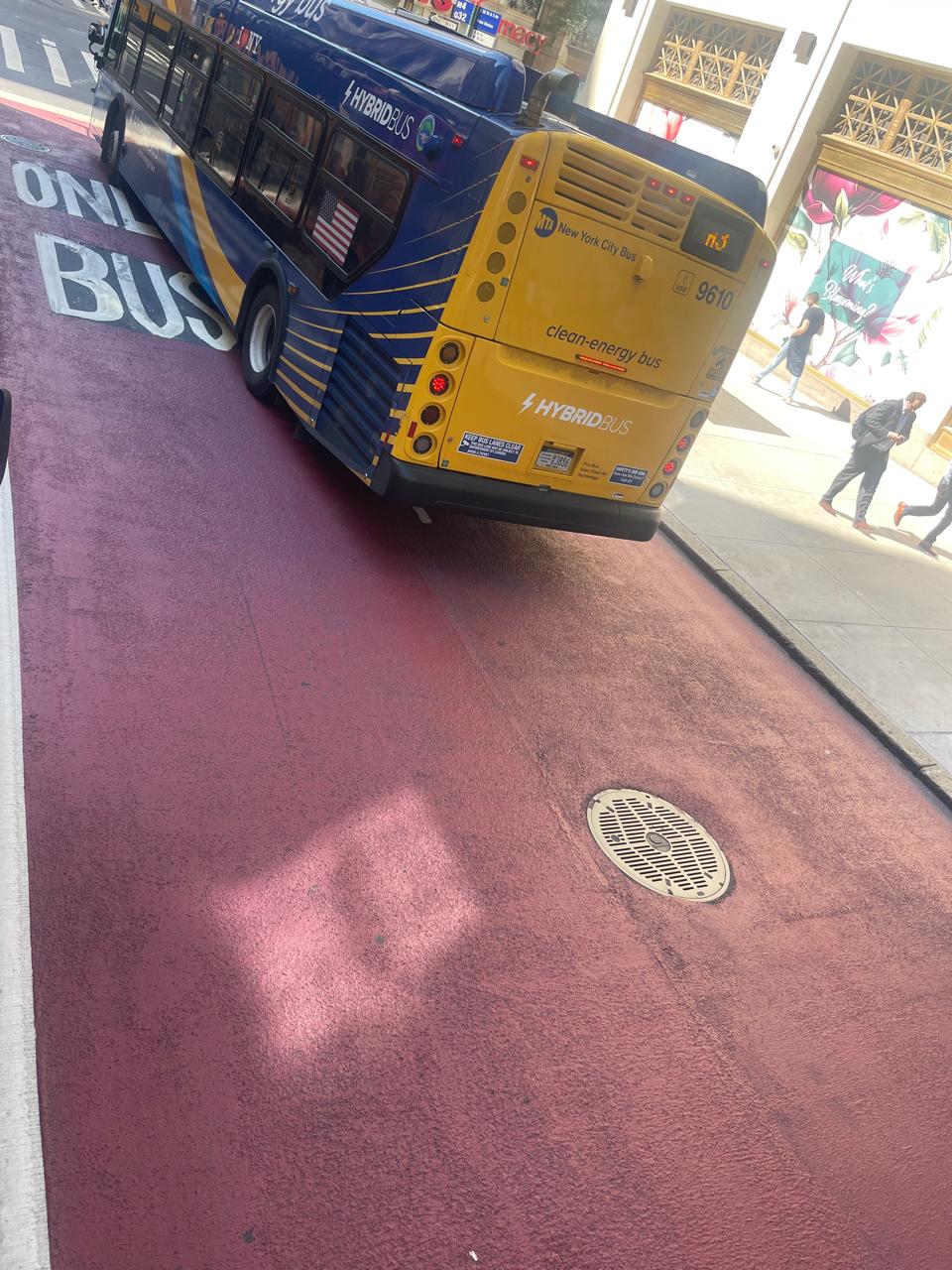
Clean-energy buses crisscross the city on predictable schedules.
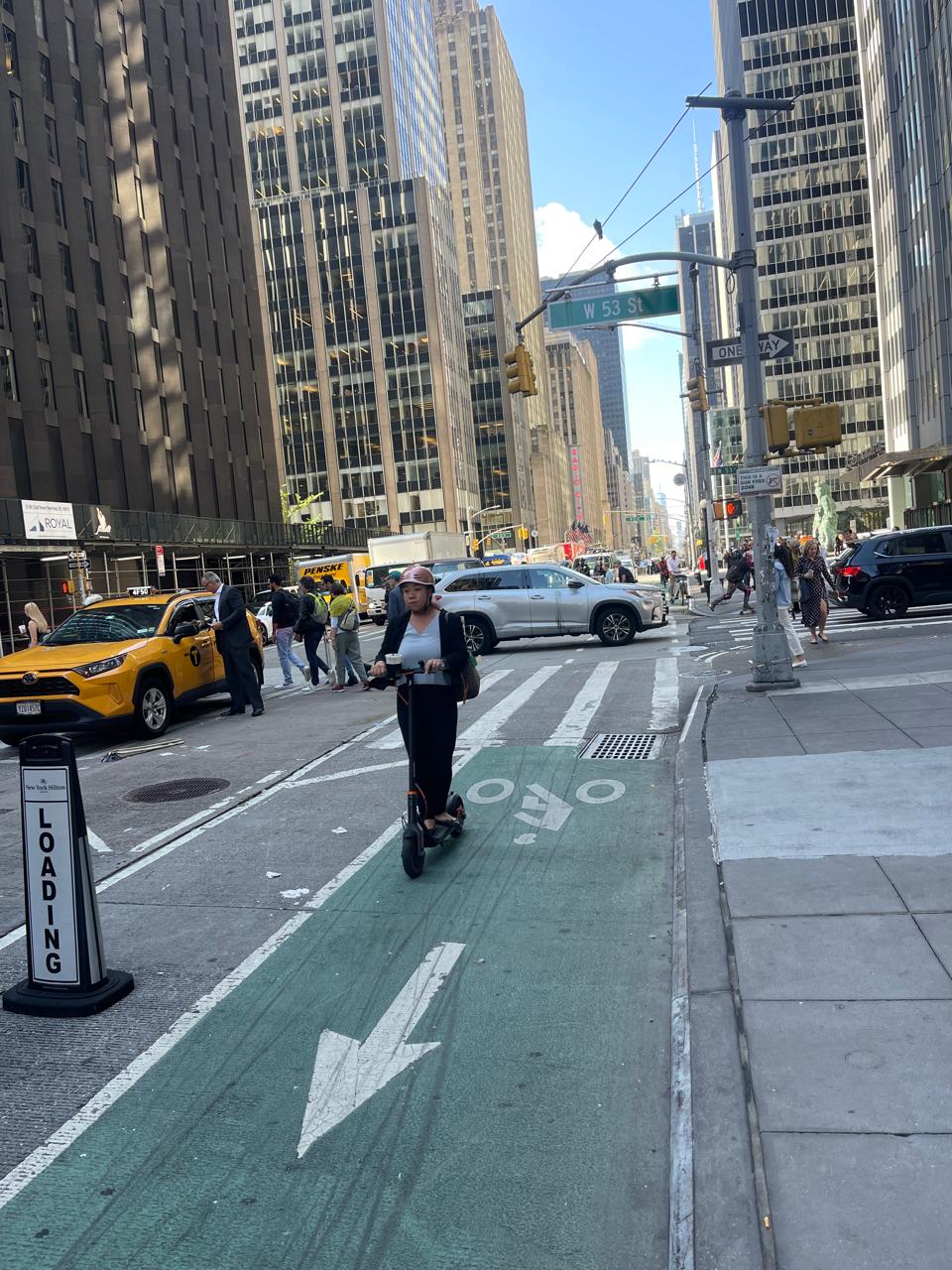
Cyclists zip by in their own protected corridors.
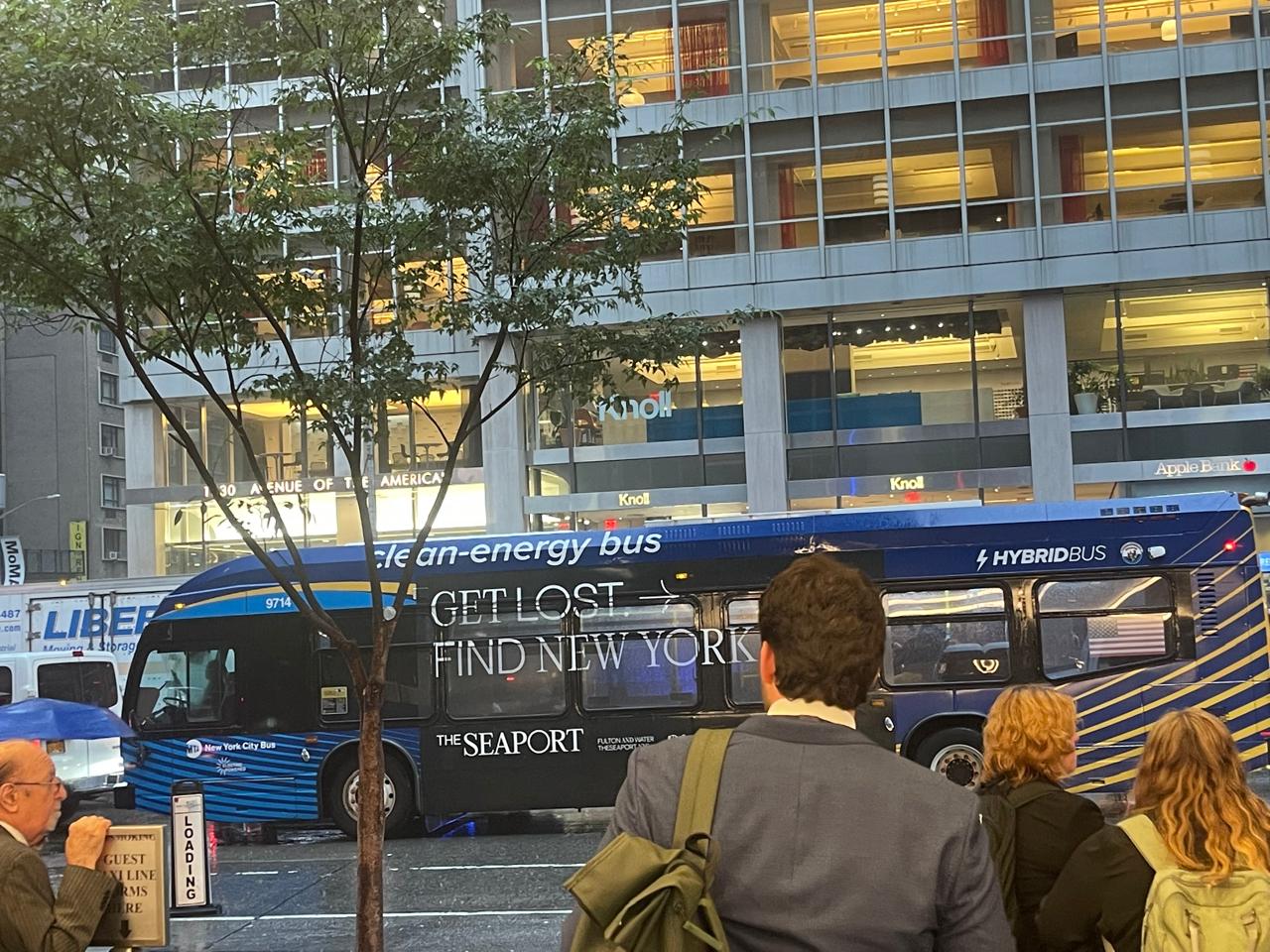
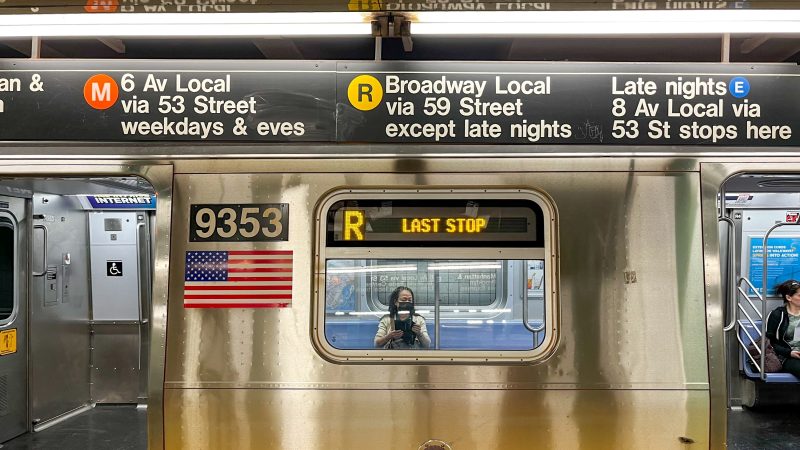
Below ground, the subway network moves millions daily — a complex but efficient system that lets you reach almost any borough quickly and cheaply. Trains are frequent, signage is clear, and you can switch between lines without the chaos Kenyans associate with matatu stages or train transfers.
For shorter distances, City Bikes are parked in neat blue rows across Manhattan. You swipe a card or tap your phone, pick one up, ride to your destination and dock it at another station.
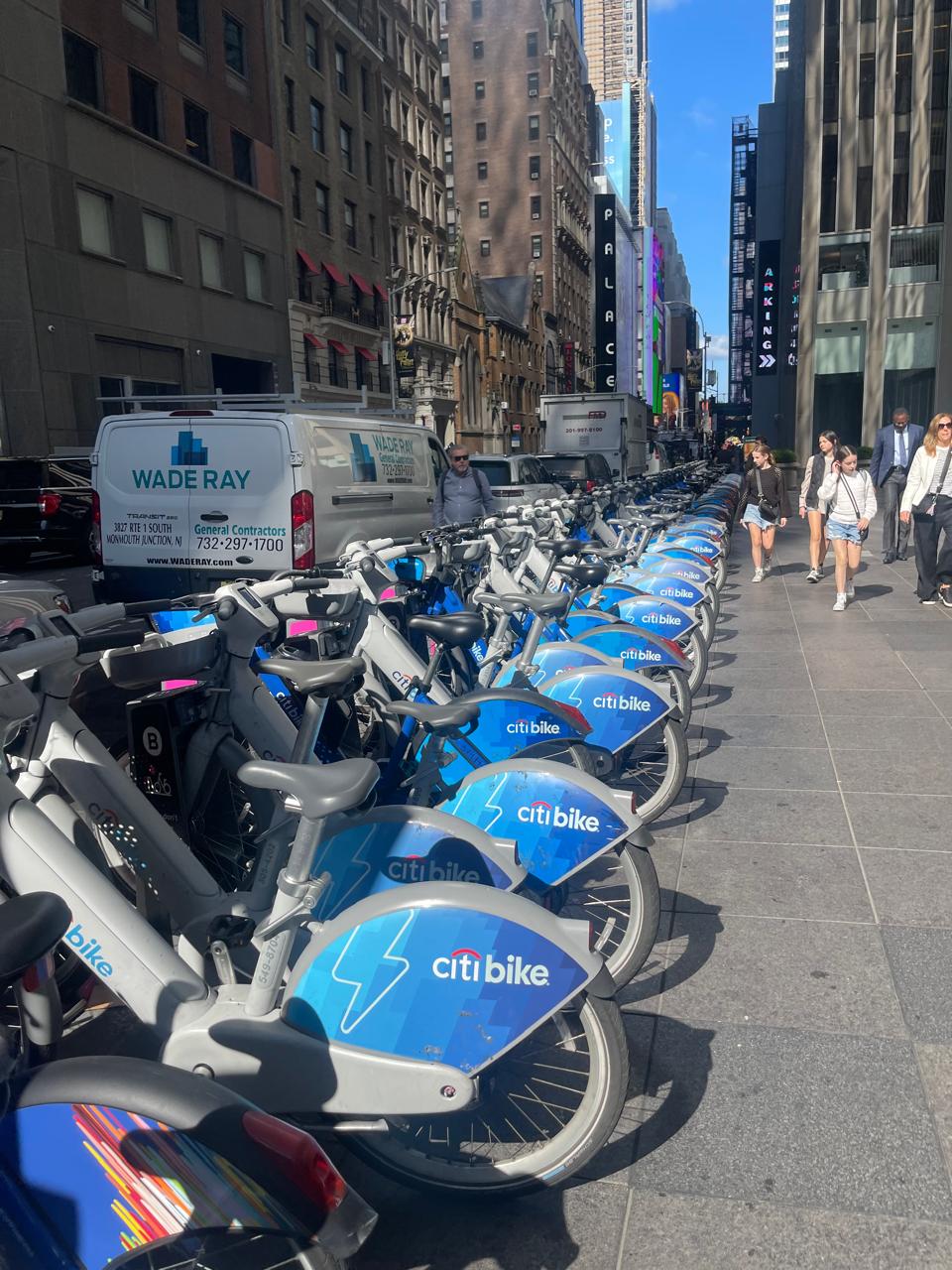
Commuters in suits, tourists with cameras and even delivery riders use the same system. It’s a simple, disciplined approach to shared mobility that could easily be replicated in Nairobi if bike lanes were protected and respected.
For longer distances, New York’s regional trains — from Penn Station or Grand Central — link seamlessly to suburbs and neighbouring states. The commuter rail, the PATH train to New Jersey, and even the ferries across the Hudson integrate into one transit map. The message is clear: movement is planned, not improvised.
Safety in Numbers: NYPD and Security Agencies
And through it all, the NYPD and federal agencies keep watch with a presence that is strict but friendly. Officers direct lost visitors, check IDs at barricades, and secure convoys for world leaders — all while still policing a city of 20 million people. Road closures and barricades are well marked, signage is clear, officers are approachable — I even watched one use his phone to locate a cross-street for three African delegates.
During UNGA week, the NYPD works hand in hand with the Secret Service and the UN Department of Safety and Security to protect presidents, prime ministers, monarchs and thousands of delegates, yet ordinary life continues. People walk their dogs — a quintessential New York scene — on the same pavements where world leaders’ convoys pass.
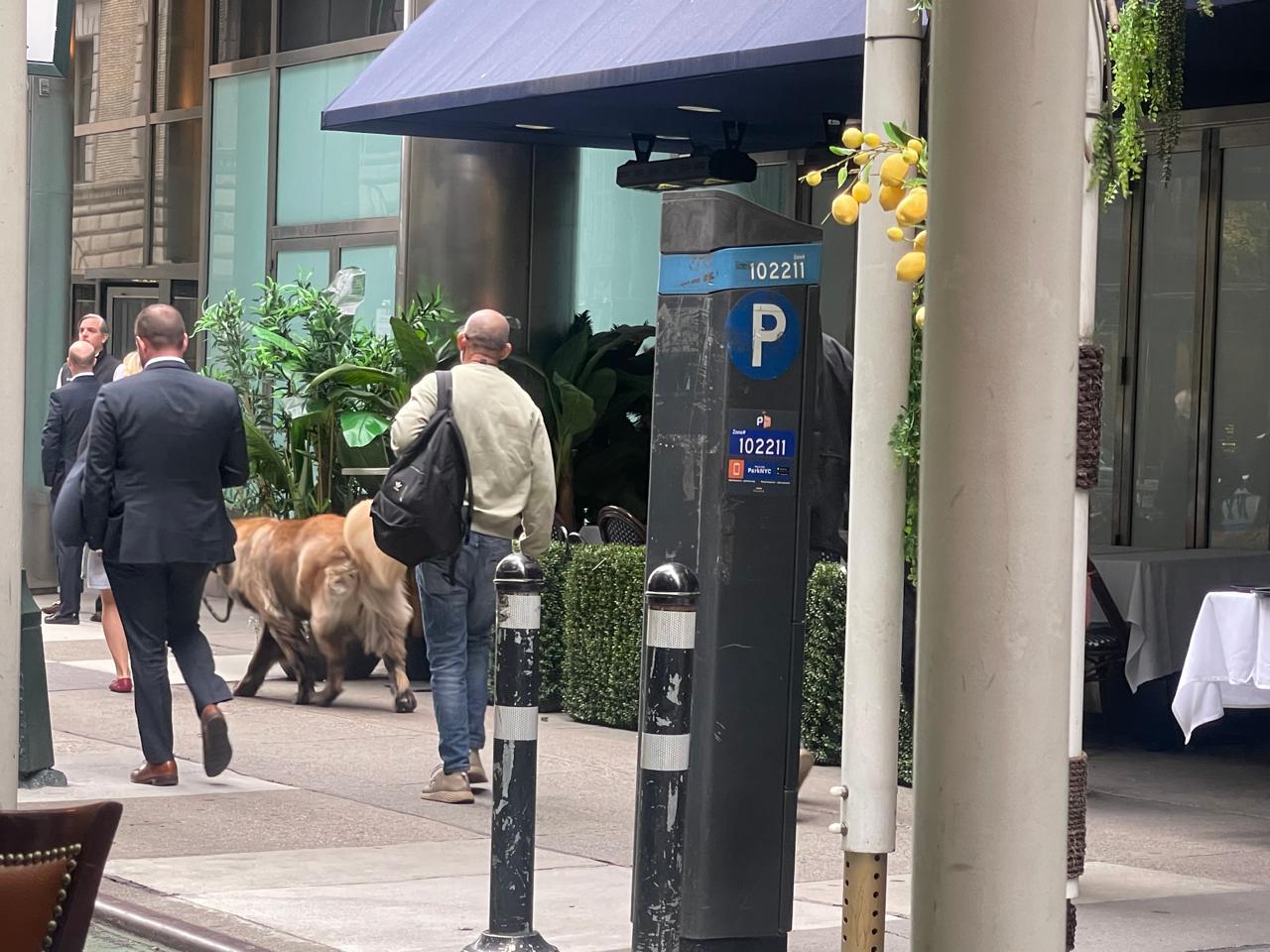
Small poodles, golden retrievers, mutts in sweaters: all part of the city’s rhythm.
It is not flawless — homelessness is visible in some areas and not every street is as pristine as Fifth Avenue’s luxury row. But the systems work.
Shopping Streets of the World’s Elite
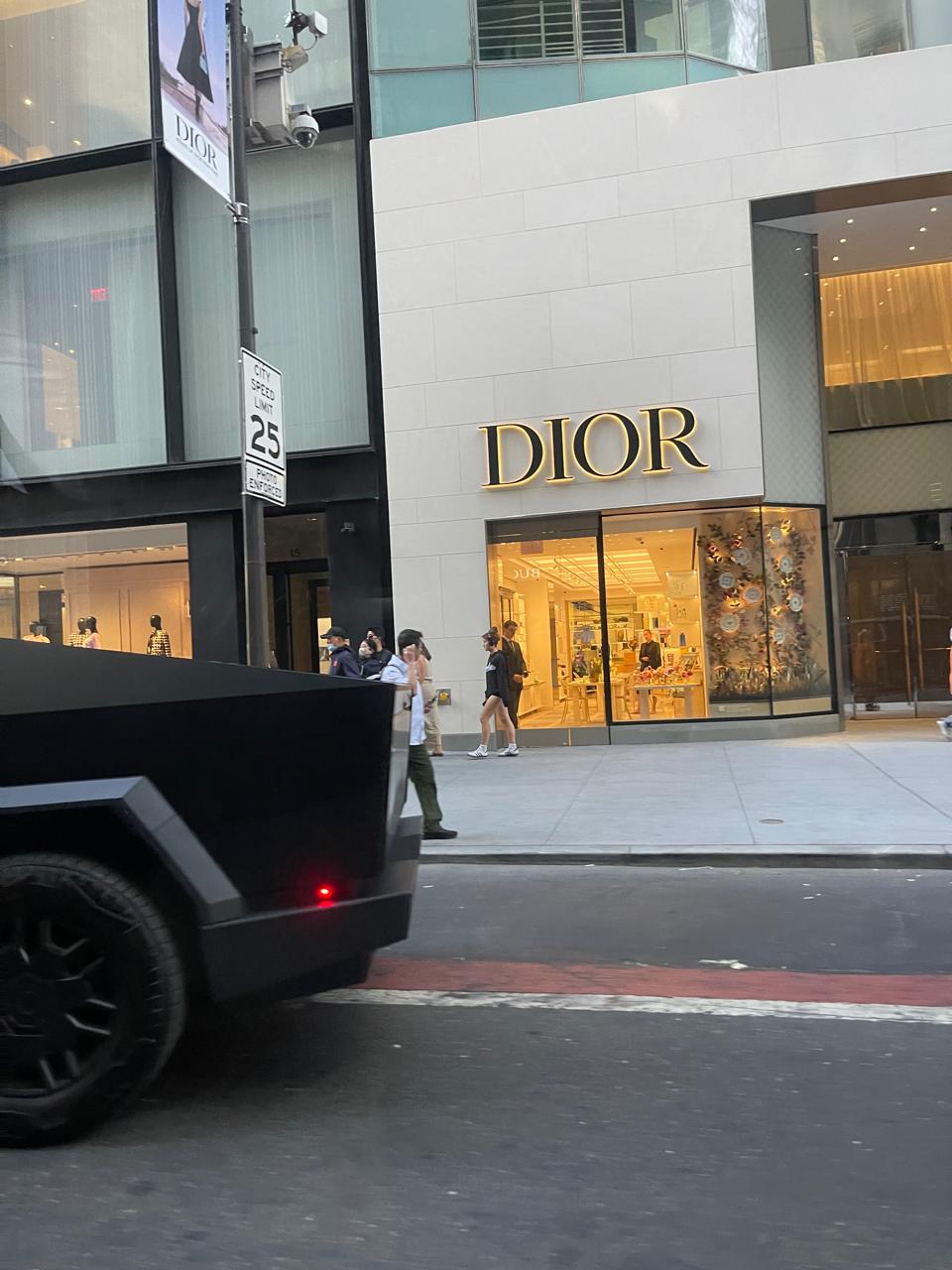
Walking east from Times Square toward Fifth Avenue, the scenery shifts from flashing billboards to glass-fronted temples of luxury.
Fifth Avenue’s luxury boutiques exude glamour and exclusivity, drawing shoppers from around the world with their gleaming window displays and legendary names. But behind the glass, prices start where most people’s credit limits end.
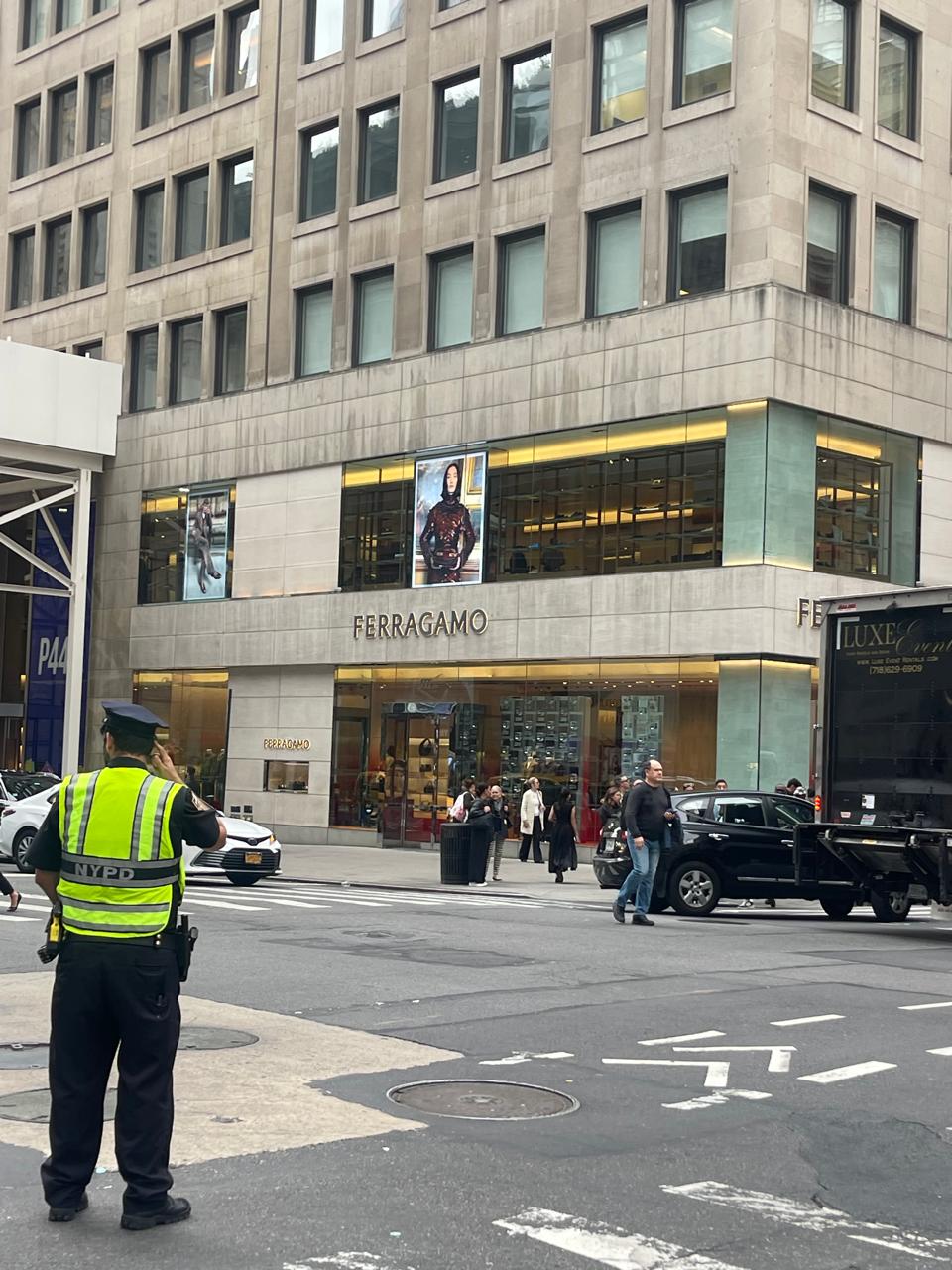
Louis Vuitton, Fendi, Dior, Tiffany, Stefano Ricci, Coach, Ferragano and other global brands line the sidewalks.
Think of these stores as a velvet-roped club for your wallet: only venture in if your credit card limit boasts more zeros than you can count — otherwise, window-shopping may be the safer sport.
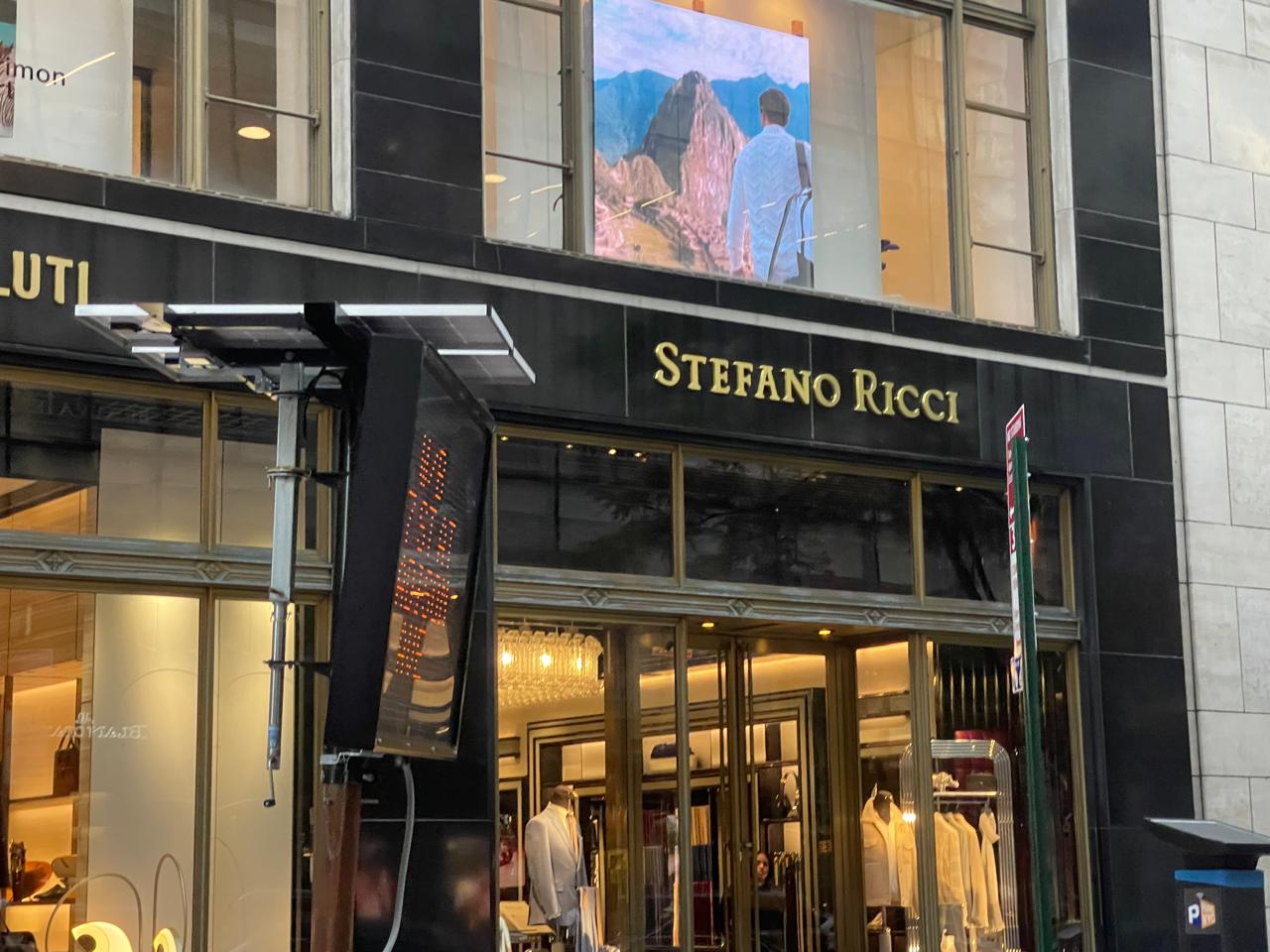
Even in UNGA week, when motorcades dominate the avenues, shoppers still slip in and out of these stores, coffee cups in hand. This coexistence of high fashion, public transport and street performers is uniquely New York; in Nairobi such areas are still rarefied zones rather than part of the everyday walking experience.
Seeing the City: Double-Decker Tours and Memorials
Despite my packed schedule, I carved out a few hours for sightseeing, hopping on an open-top double-decker bus for a two-and-a-half-hour loop of Uptown, Downtown and Brooklyn.
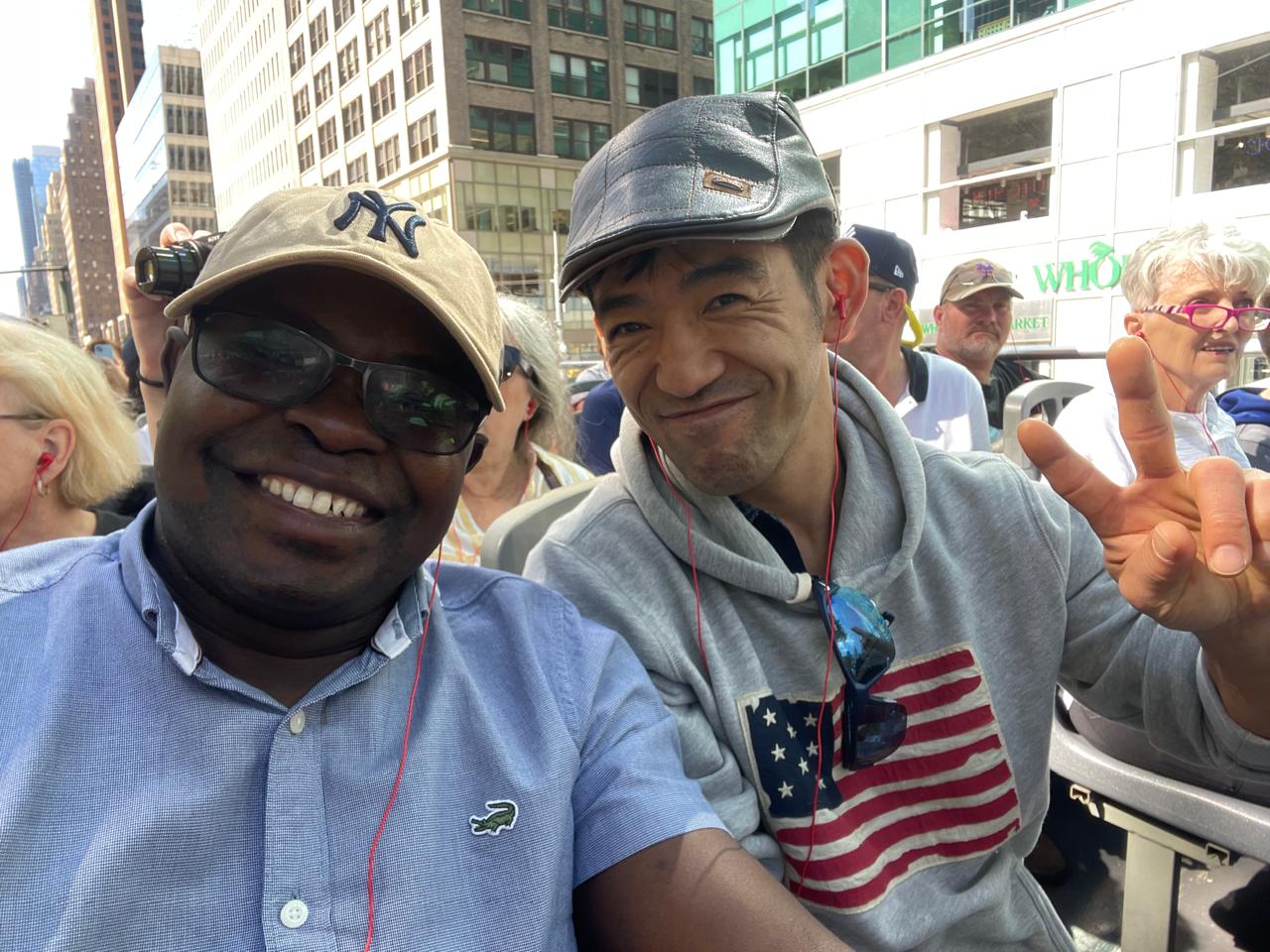
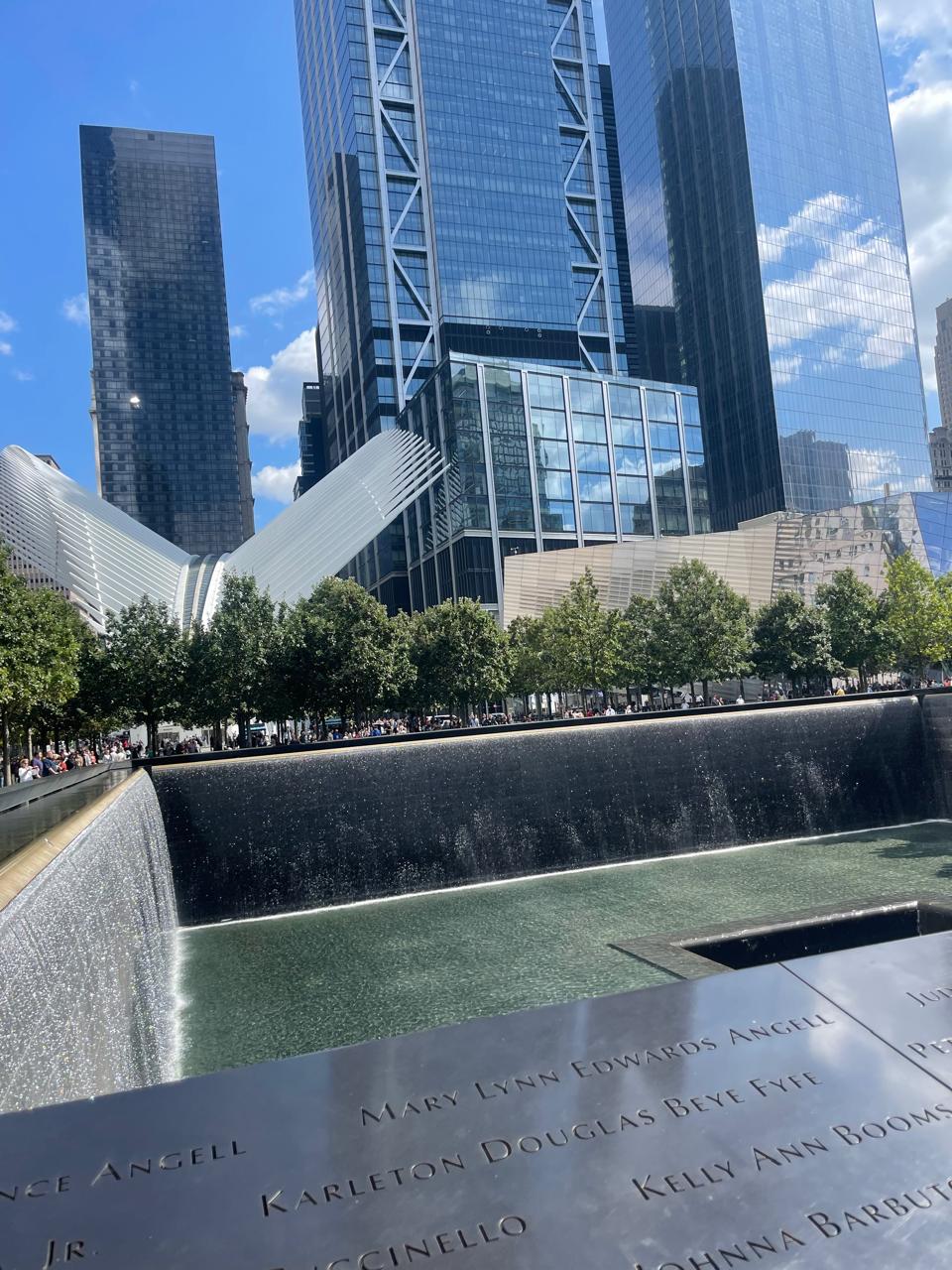
The “hop-on, hop-off” model let me explore on foot and re-board later. I got off at the World Trade Center memorial to reflect at the 9/11 site honouring the 2,983 people killed in the attacks — a sobering counterpoint to Manhattan’s bright lights.
From high above the bus, the city’s planning is visible: the numbered grid of streets and avenues, the parks punctuating the skyline, the bicycle lanes painted in green, the bus lanes in red, the recycling bins at every corner. Even chaos is organised.
The Lesson for Nairobi
Back home, our leaders rarely walk on city streets. Yet here in New York, they cross avenues on foot and shop incognito.
“Year after year, the national government, counties and various agencies blow millions of shillings on ‘benchmarking’ trips abroad — yet little of the order, safety or service they observe ever makes its way back home.”
Security, traffic management, urban cleanliness, public transport and citizen service are not mysteries.
They are the product of systems, accountability and culture. If New York can maintain order with a population larger than Nairobi’s — even amid the influx of world leaders — then Nairobi can certainly do better. Achieving this requires political will, proper planning and a shift from ad-hoc policing to rule-based management, alongside an end to corruption and the mismanagement of public resources.”
As UNGA Ends, New York Remains
As UNGA draws to a close, the city remains. It thrives. Its clean buses keep running, its subway keeps humming, its City Bikes keep rolling, and its food trucks keep feeding all comers.
Its hawk-eyed and armed police keep the peace while pointing lost visitors to the right street. The lesson is clear: the order, safety and service Kenyans admire abroad are not exotic luxuries. They are achievable — if only our leaders truly wanted to replicate them because they have seen and experienced all this, not just in New York, but in all other world capitals.