NAIROBI, Kenya, Oct 19 — Regional health bodies are seeking to address a shortage of qualified animal health laboratory auditors, warning that gaps in laboratory quality systems could undermine efforts to detect emerging diseases early and prevent their spread across borders.
The Intergovernmental Authority on Development (IGAD), in partnership with the East, Central and Southern Africa Health Community (ECSA-HC) and the African Society for Laboratory Medicine (ASLM), on Monday launched a five-day regional training programme aimed at building a pool of auditors and trainers to strengthen laboratory quality management systems.
The initiative seeks to equip participating countries with local expertise to assess laboratories, identify weaknesses, guide corrective action and progressively prepare facilities for international accreditation.
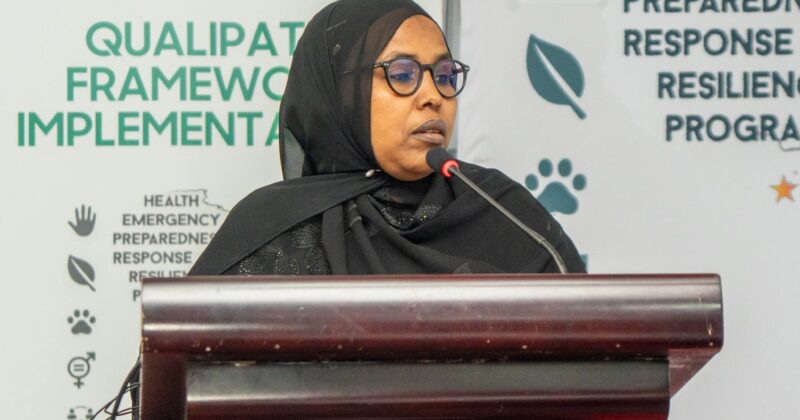
IGAD Head of Mission to Kenya Ambassador Fatuma Adan said the training was a strategic investment in regional health security, particularly as countries continue to face outbreaks of emerging and re-emerging infectious diseases.
“Preparedness cannot begin when an outbreak starts. It must be built through strong systems, competent personnel, and quality-assured laboratories that can rapidly detect and characterize health threats before they spread across borders,” Adan said in her opening remarks.
She said the programme would establish a network of competent auditors to support baseline assessments, identify critical quality gaps, mentor laboratories and promote continuous improvement across participating countries.
Adan emphasised that no country could tackle health threats alone, noting that regional preparedness depended on collaboration, information-sharing and harmonised standards.
The training is being conducted under the Health Emergency Preparedness, Response and Resilience Programme (HEPRR-MPA), which seeks to strengthen preparedness, detection and response capacities across Eastern and Southern Africa.
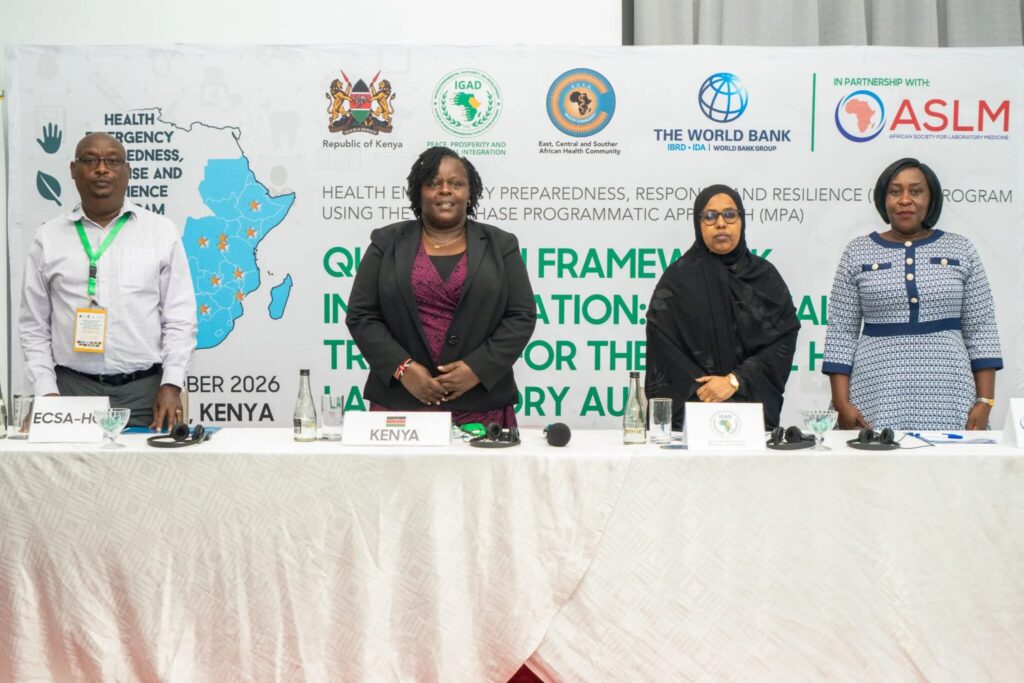
Kenya’s Deputy Director of Veterinary Services, Dr Romona Ndanyi, said the shortage of highly trained animal health laboratory auditors had left countries dependent on external expertise, potentially increasing costs, delaying assessments and undermining the sustainability of laboratory quality systems.
“Currently, our region faces a shortage of certified, highly trained animal health laboratory auditors,” Ndanyi said in remarks delivered on behalf of the Director of Veterinary Services.
She said the workshop would equip participants with baseline assessment methods, gap-analysis skills and the ability to mentor laboratory personnel in their home countries.
The participants are expected to return to their respective countries to lead laboratory assessments, train other personnel and support improvements in quality management.
Animal health laboratories are critical to detecting and monitoring diseases that can spread between animals and humans.
Reliable laboratory results also support livestock production, food safety, public health protection and regional trade.
The initiative comes amid continued concerns over infectious disease threats, including Ebola, Marburg virus disease, Mpox, cholera and Rift Valley fever, which underscore the need for stronger surveillance and early-warning systems.
Under the One Health approach, human, animal and environmental health authorities work together to identify and respond to threats that may emerge at the intersection of these sectors.
ECSA-HC representative Dr Linus Odawo said the initiative would complement efforts to strengthen human health laboratories, with IGAD focusing on animal health facilities.
“Quality has got no limits and quality has got no boundaries,” Odawo said, urging participants to share the knowledge acquired during the training and promote consistent laboratory standards across their countries.
He also encouraged continued review of the QualiPATH framework to ensure it remains effective in supporting laboratory quality improvement.
QualiPATH provides a structured, step-by-step pathway for strengthening laboratory quality management systems, guided by the principles of ISO/IEC 17025.
Rather than operating as a pass-or-fail assessment, the framework uses a tiered approach to recognise progress towards improved quality and competence.
Completing a QualiPATH assessment does not automatically confer international accreditation.
Laboratories must continue addressing identified gaps and meet the applicable requirements for formal accreditation.
The workshop brings together participants from nine countries: Kenya, Mozambique, Zambia, Rwanda, the Democratic Republic of the Congo, São Tomé and Príncipe, Malawi, Ethiopia and Burundi.
Organisers expect the emerging network of auditors to support peer learning and cross-country collaboration, helping participating countries strengthen laboratory systems and improve their ability to detect and respond to disease threats.