NAIROBI, Kenya, Apr 7 — All is set for the operationalization of the constitutionally-mandated Judiciary Fund following the conclusion of prerequisite measures by the Parliament and National Treasury.
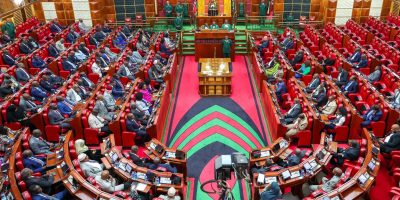
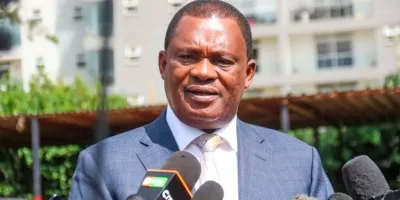
Speaking while rendering the 2022/23 budget statement on Thursday, Treasury Cabinet Secretary Ukur Yatani said all is set for the operationalization of the Fund on July 1, 2022.
He outline four critical steps undertaken towards the realization of a fully operational Judiciary Fund the realignment of the Integrated Financial Management. Information System (IFMIS) to accommodate the Fund.
“The necessary procedures having been put in place. In particular the Judiciary Fund Act and regulations have been enacted, the bank accounts for the fund have been opened at the Central Bank of Kenya, an appropriate budget for the Judiciary has been created and IFMIS has been enhanced to accommodate Judiciary Fund operations,” Yatani told the National Assembly during budget presentation.
Article 173 of the Constitution (2010) provides for the establishment of a a kitty “to be known as the Judiciary Fund which shall be administered by the Chief Registrar of the Judiciary.”
“The Fund shall be used for administrative expenses of the Judiciary and such other purposes as may be necessary for the discharge of the functions of the Judiciary,” Article 173 (2) reads.
Following its enactment in 2010, the Constitution required Parliament to enact laws to regulate the Fund.
Under the framework outlined in Article 173, the Chief Registrar will be required in every financial year to prepare estimates of expenditure for the following year, and submit them to the National Assembly for approval.
“Upon approval by the National Assembly, the expenditure of the Judiciary shall be a charge on the Consolidated Fund and the funds shall be paid directly into the Judiciary Fund.”
The Judiciary has been rooting for the operationalization of the Fund to support the constitutional imperative for judicial indipendence.
Debate of the operationalization of the Fund was renewed recently after Deputy President William Ruto claimed a deliberate plot to underfund the Judiciary.
Speaking during his oversees campaign tour in the United Kingdom where he held a number of high-level meetings and delivered public lectures, Ruto said funding challenges continue to impede judicial independence.
“The underfunding of the Judiciary is deliberate,” he said. “It is designed to weaken courts.”
The Judiciary has over time proposed a minimum quota of 2.5 per cent of the national budget to fund its operations, an increment from budgetary allocations averaging 0.9 per cent of the national budget.
Chief Justice Martha Koome recently said she was confident the Fund would finally be operationalized, a decade since the enactment of the Constitution (2010).
Koome said the Judiciary had received necessary support from sister arms of government.
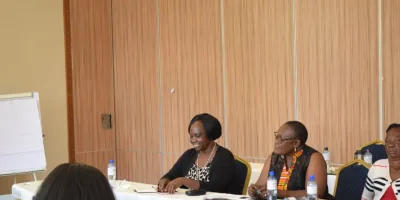
“With the support of the Executive, Legislature, the Central Bank of Kenya and Controller of Budget, the process to operationalize the Judiciary Fund is well advanced,” she said on March 10 during a meeting with National Assembly’s Justice and Legal Affairs Committee, Public Accounts Commitee and Budget and Appropriations Commitee in Mombasa.
“The understanding is that Judiciary’s resources for the FY 2022/2023 will be loaded into an operational Judiciary Fund,” the CJ affirmed.