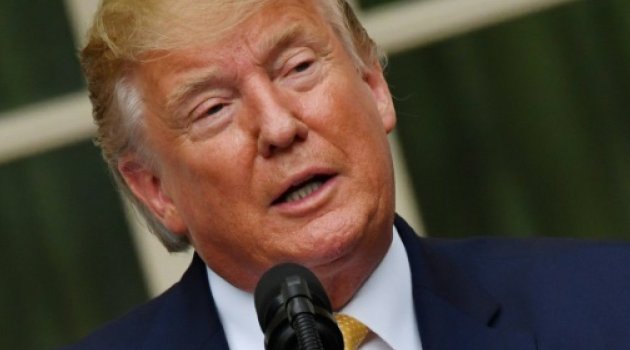
JAN 8 – With Donald Trump positioning himself for a return to the White House, African nations are carefully evaluating the potential impact of his policies on the continent. His “America First” approach and emphasis on U.S. domestic priorities shaped his first term, leaving a complex legacy for Africa.
African leaders and analysts are preparing for how a second term could deepen existing challenges and reshape the region’s economic, social, and environmental landscape.
Economic Repercussions for Africa
During his first term, Trump’s protectionist policies, including tariffs on imports and an emphasis on reshaping trade agreements to benefit the U.S., had a marked impact on global trade dynamics.
African economies, many of which rely on exports of raw materials and agricultural products, were not immune to the effects.
The trade war with China, in particular, contributed to slower global trade, and Africa’s key industries saw the consequences.
Moreover, the Trump administration’s approach to multilateral agreements left many African nations concerned about the future of trade deals such as the African Growth and Opportunity Act (AGOA), which is set to expire in 2025.
The lack of strong U.S. support for development programs and regional partnerships has many wonderings what the future holds for African economic growth under a second Trump presidency.
Environmental Challenges and Climate Action
Another area of concern is climate change, a crisis that disproportionately affects Africa. During his first term, Trump’s administration was heavily criticized for rolling back environmental protections, withdrawing from the Paris Climate Agreement, and championing fossil fuel production.
These policies have alarmed African countries, which face the brunt of climate change through droughts, rising sea levels, and extreme weather patterns.
A second term for Trump could deepen these challenges. His ongoing disinterest in international climate cooperation and focus on deregulation may further impede global efforts to tackle environmental threats.
For many African nations, the continued disregard for climate science could hinder necessary climate adaptation and mitigation measures.
Immigration and U.S.-Africa Relations
The Trump administration’s strict stance on immigration also strained relations with African nations.
The controversial “Muslim ban” disproportionately targeted several African countries, and Trump’s policies on immigration and refugee resettlement emphasized national security concerns over humanitarian needs.
African migrants and refugees could face even tougher restrictions if Trump returns to office, with fewer opportunities for asylum or resettlement.
Setbacks for Social Justice and LGBTQ Rights
Trump’s first term saw the advancement of more conservative policies, especially regarding social issues.
For African nations, this retreat from progressive advocacy on LGBTQ rights meant less international pressure to promote equality.
Trump’s alignment with religious conservatives, and his administration’s stance on limiting support for LGBTQ rights, only served to embolden anti-LGBTQ rhetoric across Africa.
The situation was exacerbated by the U.S.’s diminished role in pushing for human rights globally.
Activists working to challenge discriminatory laws in Africa may find themselves more isolated in the absence of robust U.S. advocacy.
A second term for Trump could lead to further setbacks in the fight for LGBTQ rights, as conservative policies are likely to continue shaping U.S. foreign policy.
Navigating Uncertainty
As Trump prepares to potentially return to the White House, African countries are bracing for an unpredictable foreign policy landscape.
With an emphasis on bilateral relationships rather than multilateral cooperation, Trump’s second term could pose significant challenges for African nations striving to address issues such as economic development, climate change, and human rights.
In response, African leaders are likely to strengthen regional cooperation and diversify their partnerships to mitigate the risks posed by a more isolationist U.S. policy.
While Trump’s foreign policy has created uncertainty, it has also underscored the need for Africa to become more self-reliant and resilient in the face of global challenges.
As Trump’s future policies begin to take shape, African nations must prepare for a diplomatic environment that prioritizes U.S. interests, potentially at the expense of the broader international community.
In this shifting landscape, Africa will need to navigate these challenges with strategic foresight and unity.