NAIROBI, Kenya, June 18 – Conservation lobby group Rhino Ark Charitable Trust has opposed the government’s plan to construct an airstrip, state lodge and golf course in the Upper Imenti Forest, warning that the developments could threaten a critical wildlife habitat within the Mount Kenya ecosystem.
The organisation argues that the projects contravene constitutional provisions, environmental laws and Kenya’s international conservation commitments.
According to Rhino Ark Chief Executive Officer Christian Lambrechts, the Upper Imenti Forest serves as a key elephant habitat and wildlife corridor linking the Mount Kenya forest ecosystem with northern conservation areas, including Shaba National Reserve.
The group estimates that the broader Mount Kenya ecosystem hosts between 1,900 and 2,600 elephants, with the Upper Imenti Forest recording some of the highest elephant densities during the dry season.
Lambrechts said the proposed airstrip site is located near a known elephant maternity area and warned that increased human activity could disrupt wildlife movement and intensify human-wildlife conflict in neighbouring communities.
“This forest also serves as a critical wildlife corridor that elephants use when migrating from northern Kenya to the Mount Kenya Forest Reserve. They pass through the Lower Imenti Forest before moving into the Upper Imenti Forest, which is now under threat,” he said.
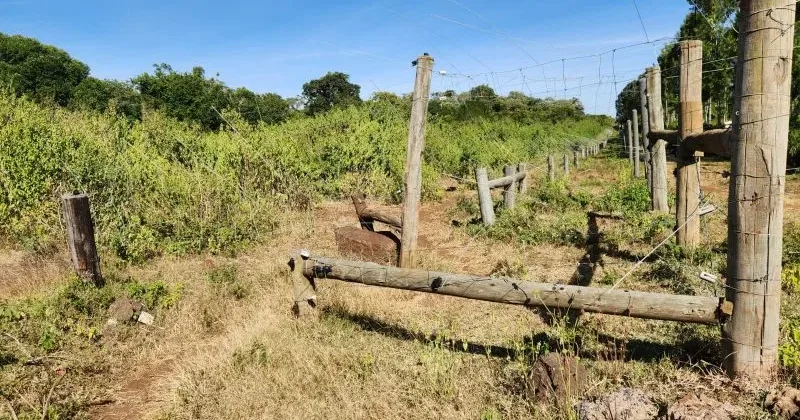
He added that disturbance of elephant habitats could lead to increased fence breakages and greater risks for nearby residents.
The conservation group also claims that the project has proceeded without the public participation required under the Constitution and that no Environmental and Social Impact Assessment (ESIA) has been conducted.
Rhino Ark further argues that no environmental licence has been issued by National Environment Management Authority as required under the Environmental Management and Coordination Act.
“We have sent an objection to some government officials in the environment ministry about the project; they are yet to reply. I really hope it will change because this is an important ecosystem. It is the only area where we have erected double electric fences because of how important it is,” Lambrechts said.
Beyond wildlife concerns, the organisation warned that the development could affect Kenya’s water security. The Mount Kenya ecosystem is one of the country’s five major water towers and the Upper Imenti Forest lies along the hydrological divide between the Tana and Ewaso Nyiro river catchments.
The forest is also home to 882 plant species, including 81 endemic species, and is recognised as an Important Bird Area hosting 53 of Kenya’s 67 African highland bird species.
Rhino Ark says the project conflicts with national conservation frameworks, including Kenya Vision 2030, the National Spatial Plan 2015–2045, the Forest Conservation and Management Act and the Wildlife Conservation and Management Act.
The group also argues that the development could undermine Kenya’s commitment to plant 15 billion trees by 2032 and its obligations under international agreements such as the Convention on Biological Diversity and the UN Framework Convention on Climate Change.
As an alternative, Rhino Ark has proposed upgrading the nearby Gaitu Airstrip, located about 14 kilometres from Meru town, arguing that it would deliver similar benefits at a lower environmental cost.
However, Gitonga Mugambi has defended the projects, describing them as key economic drivers for the region.
“From the government’s side, there was no one interested in putting a signature on that project, but I had that opportunity to put that signature and deliver that project for the Meru people,” Mugambi said.
“We are committed to doing the projects because they come with huge economic benefits. The State Lodge alone will employ not less than 500 Meru people, as well as the golf course, which will also give Meru people the opportunity to experience the sport,” he added.
The dispute sets the stage for a broader debate over balancing economic development and environmental conservation in one of Kenya’s most ecologically sensitive regions.