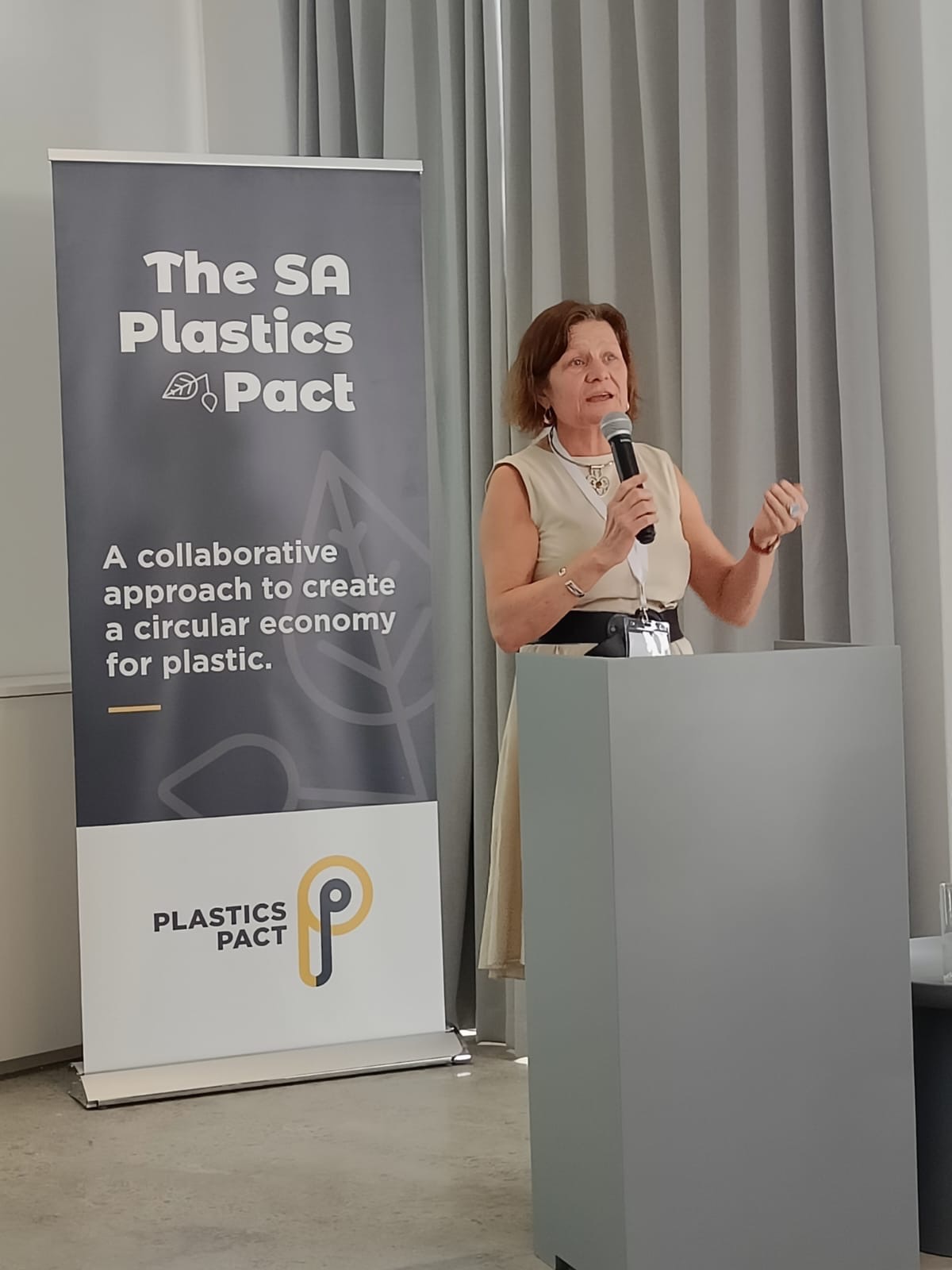
NAIROBI, Kenya, Jan 25 – International members of the Plastics Pact Network (PPN) met in South Africa this week for the first time to discuss ways of reducing plastic waste and pollution around the globe.
The three-day event, which was held in Cape Town, attracted representatives from 12 of the 13 PPN members, including Australia (representing New Zealand and the four Pacific Islands), Canada, Chile, Colombia, Chile, India, and Kenya, among others.
The public-private partnership model or voluntary agreement, adopted by many nations ahead of the United Nations Global Treaty to end plastic pollution, drives practical action around a comprehensive plastics’ circular economy approach that embeds elimination and reuse within measurable targets.
Each Pact is working independently across the packaging value chain in its own geography to bring together key players to address its own unique situation.
Pact members include major FMCG brands, packaging companies, producers, traders, processors, academia, trade associations, NGOs, and governments who are all working towards a shared vision, with business signatories measured against a series of science-based targets to reduce the impact they have on the environment through their use of plastics.
The Network connects those individual national and regional initiatives to better implement solutions towards a circular economy for plastic.
More than 800 major businesses have signed up for all thirteen Plastics Pacts, with the combined population impacted by their work estimated to be in the region of as many as 2.4 billion people, or 30 percent of the world’s population.
The meeting was the first time the majority had sat down to share their learnings in person, with WRAP’s CEO, Harriet Lamb, opening the inaugural meeting.
“With plastic in the bloodstreams of animals and fish, we need to ramp up action on plastics across the world through regulation and voluntary action. We welcome the Global Plastics Treaty negotiations underway and call for an ambitious Treaty,” Lamb said.
“Alongside that, we need to fast-track collaborative action by companies, governments, and civil society. That is the power of this voluntary network, bringing together members from across the world to share best practice – from major companies to waste-pickers to bring about practical, empowering change.”
While regulation is critical, public-private partnerships delivered through the Plastics Pact model accelerate action and deliver tangible results. These collaborative partnerships can play a key role as a mechanism for nations to meet mandated obligations under the United Nations Global Treaty to End Plastic Pollution.
The All-Plastic Pacts workshop shared best practices, insights, and experiences of what works in terms of member engagement, collaborative projects, and policy influence to achieve impact on the ground.
It also identified approaches to accelerate progress within each country, with all at varying stages in their journey.
The workshop, which was convened by the Ellen MacArthur Foundation and WRAP, also explored the future ambitions of the network and how it can have more impact.
Likewise, it also predates the first global report across the entire Pact Network, which will present the impact achieved by all thirteen Plastics Pacts.
This report will be published in preparation for the next round of INC4 discussions for the Global Plastics Treaty framework, taking place in Ottawa this April.