NAIROBI, Kenya, Nov 4 – Kenya has committed to reducing cataract-related vision impairment among people aged 50 and above from about 8 percent currently to 2.5 percent by 2045, under a national plan to expand access to eye care.
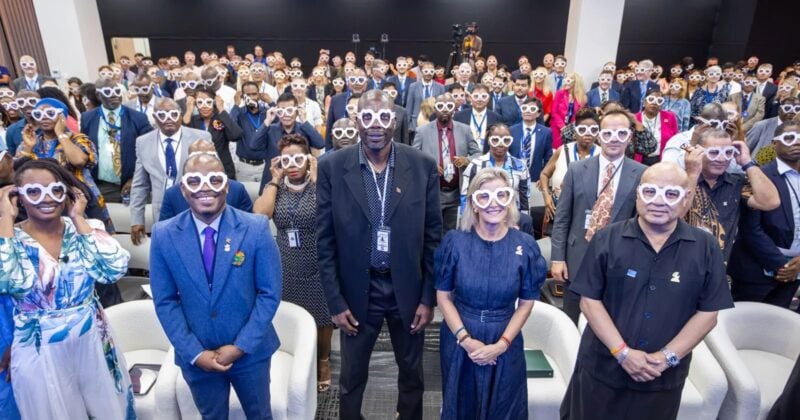
The commitment was announced at the Global Summit for Eye Health, where governments and health organisations outlined measures to reduce avoidable sight loss.
Kenya plans to increase the number of cataract surgeries from about 750 per million people annually to 2,000 per million by 2030 and 8,600 per million by 2036. The targets are expected to support about nine million cataract operations between 2027 and 2045.
The plan will be supported by funding through the Social Health Authority, stronger eye health services, more trained health workers and improved referral systems. The government also plans to establish a national framework to monitor the quality and outcomes of cataract surgeries.
The Ministry of Health will lead the development of a costed national cataract plan in 2027, setting targets for counties, outlining workforce requirements and establishing a system to track progress towards the 2045 goal.
The International Agency for the Prevention of Blindness (IAPB) estimates that an additional investment of $25.5 million in eye health between 2026 and 2030 could generate $265 million in economic benefits for Kenya.
The analysis also estimates that improved access to eye care could deliver the equivalent of 8,628 additional years of schooling, prevent 243 road traffic injuries and avert 4,168 cases of depression among people with vision impairment.
Dr Andrew Jacob Toro, Head of Nursing and Curative Services at the Ministry of Health, said better vision was important for education, employment and people’s ability to participate in society.
VisionSpring, which works with local partners to expand access to affordable eye care, has also committed to providing eyeglasses to an additional 550,000 people in Kenya by 2030.
The organisation’s Africa Programme Manager Ruth Mugo said it would expand community and workplace services, particularly for farmers, agricultural workers and small-scale entrepreneurs.
The Global Summit for Eye Health was convened by the IAPB, with the World Health Organisation providing technical support. The summit brought together governments, health organisations and private sector players to mobilise commitments to improve access to eye care.